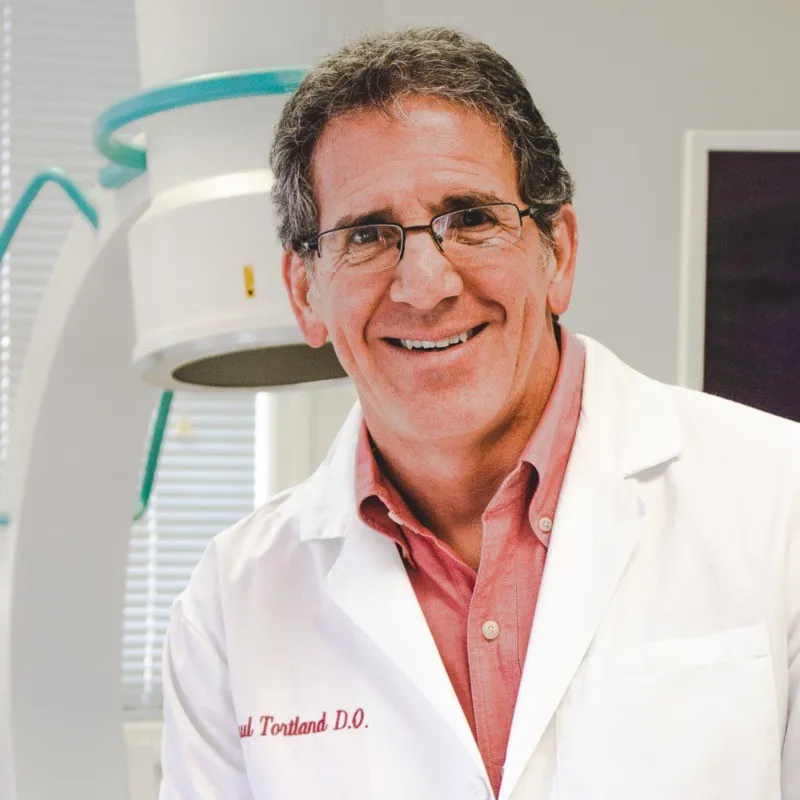
Where to See Dr. Tortland in Connecticut
Dr. Paul Tortland, DO provides comprehensive orthopedic evaluations for patients at his Glastonbury, CT office. The practice sees patients from Glastonbury, Hartford, West Hartford, Farmington, Simsbury, South Windsor, and other Connecticut and New England communities.
📍 59 Sycamore Street, Suite 301, Glastonbury, CT 06033 — Get directions
📞 (860) 430-2821
Learn more about Dr. Tortland · Request an evaluation
Direct answer: Many injectable products marketed as "stem cell therapy," often made from donated amniotic fluid, placenta, or umbilical cord tissue, contain few or no living stem cells by the time they reach a patient, and none is FDA-approved to treat arthritis or other orthopedic conditions. Autologous treatments such as BMAC and MFAT use your own tissue, collected and returned during the same visit. That makes them a different and more transparent category, although they are not a guaranteed cure either.
Why "Stem Cell" Became a Marketing Term
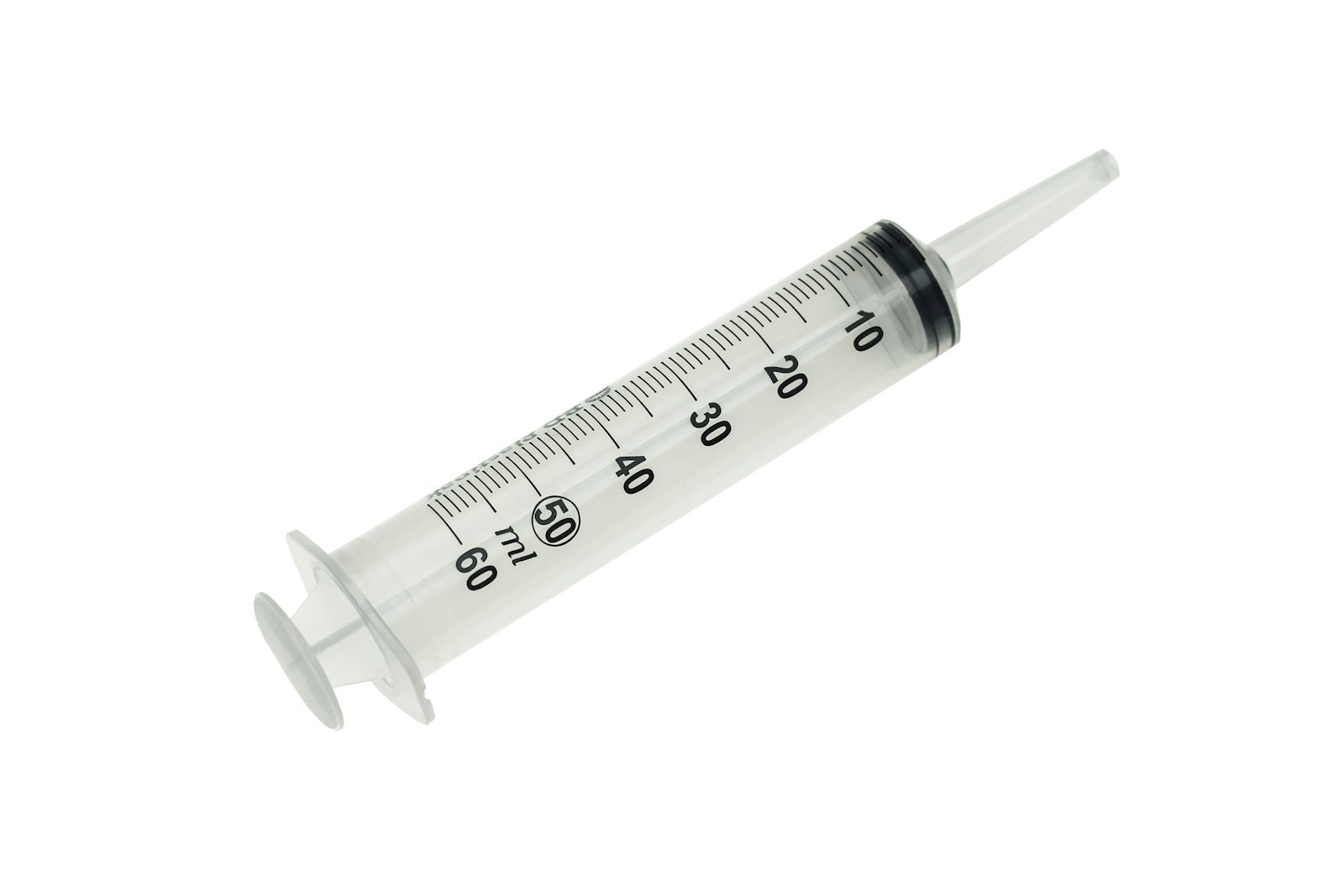
"Stem cell therapy" has become as much a sales phrase as a medical one. Some clinics sell pre-packaged, frozen donor-tissue products and describe them as live stem cell treatments. They are often promoted through free seminars and online advertising, a marketing channel researchers have studied as a source of direct-to-consumer stem cell information. Many patients have no easy way to tell what is actually in the syringe. In our practice, we regularly meet patients who were told at a seminar or in an online ad that a donor-tissue product would regrow their cartilage, only to learn later that no study actually supports that claim.
Two Very Different Categories
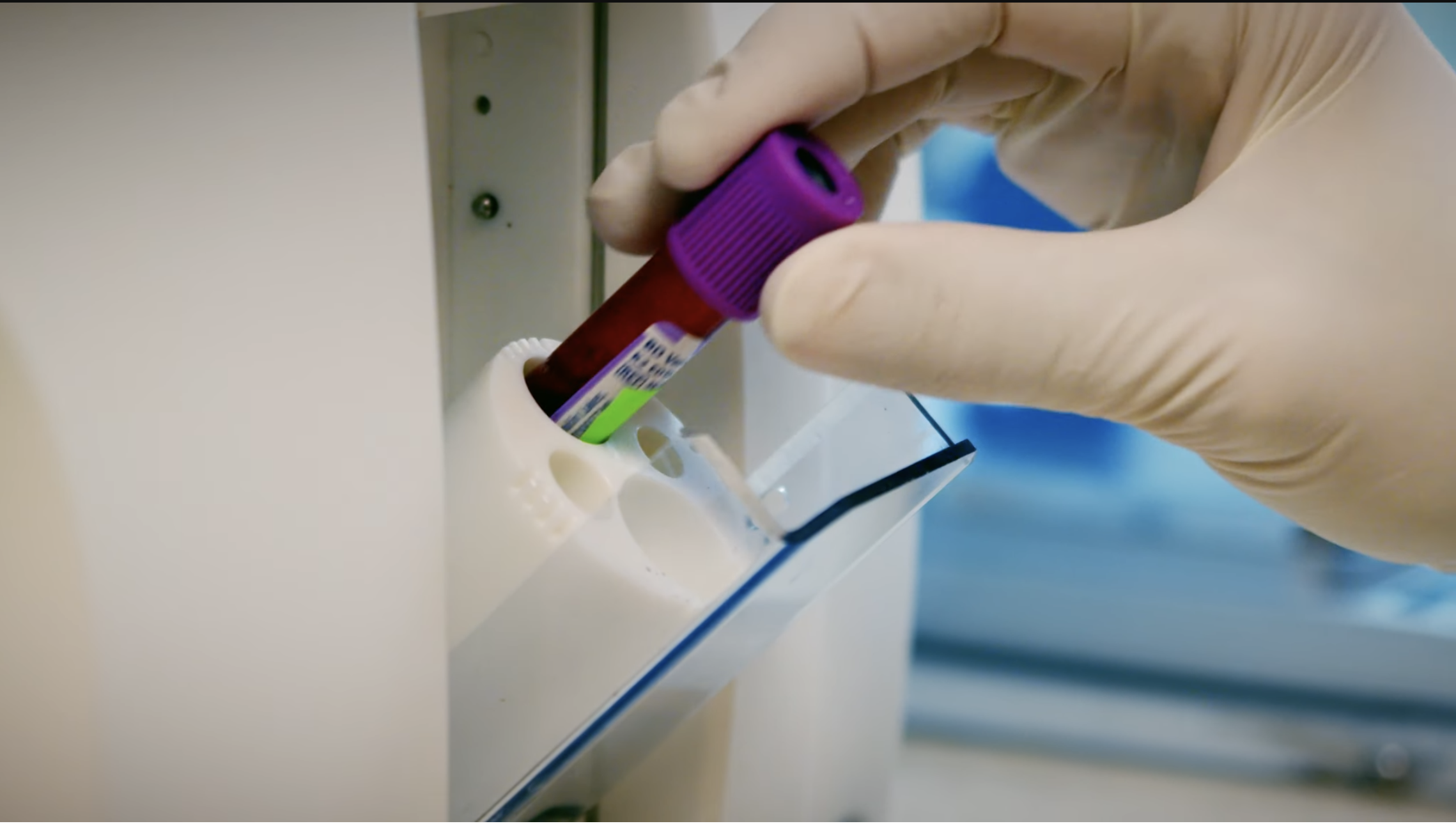
Autologous, same-day treatments use your own bone marrow (BMAC) or fat tissue (MFAT). The tissue is collected, minimally processed on site, and injected back into you during the same procedure. The cellular content varies from person to person, but it comes from your own biology and is used fresh.
Commercial donor (allogeneic) products are manufactured from donated birth tissues, stored, and shipped to clinics. Because they are processed, frozen, and thawed, their living-cell content is a central question, and independent testing has raised serious doubts.
What Independent Testing Has Found
In a laboratory study published in The American Journal of Sports Medicine (Panero et al., 2019), researchers invited seven companies that sell amniotic fluid products to participate. Three agreed. The researchers could not identify mesenchymal stem cells in any of the commercial products. Two products contained some nucleated cells, but most of those cells were dead, and the few living cells did not behave like stem cells. Stem cells were successfully grown from bone marrow samples tested the same way. The products did contain growth factors, so they are not inert, but the authors concluded they should not be considered stem cell therapies.
What the FDA Says
The FDA has approved stem cell products only for specific uses, such as certain blood and immune system disorders. None is approved to treat osteoarthritis, tendon injuries, or other orthopedic conditions. The agency has issued public warnings about unapproved stem cell products and has taken enforcement action against companies marketing them.
Autologous procedures such as BMAC and MFAT, in which your own tissue is minimally manipulated and returned during the same procedure, are regulated under a different framework, 21 CFR Part 1271. That is why the source of the cells matters legally as well as biologically.
An Important Caveat About "Real" Stem Cell Treatments
Using your own cells does not guarantee a better result. In a large randomized trial of 480 patients with knee osteoarthritis (Mautner et al., 2023), neither autologous bone marrow concentrate, autologous fat-derived cells, nor donor umbilical cord cells outperformed a corticosteroid injection at one year, and none changed cartilage on MRI. Autologous treatments are more transparent and better regulated, but patients deserve honest expectations about what any cell-based injection can do.
Red Flags When Evaluating a Clinic
- The "stem cells" come from a vial or freezer rather than from your own body on the day of treatment.
- The clinic promises to regrow cartilage, cure arthritis, or guarantee results.
- The same product is advertised for a long list of unrelated conditions.
- You are pressured to commit at a free seminar or offered a limited-time discount.
- The provider cannot explain what is being injected, how it is processed, or what regulation applies.
- Injections are performed by non-physician staff or without imaging guidance.
When Non-Surgical Care May Be Appropriate
For mild to moderate arthritis and many chronic tendon problems, a non-surgical plan built on rehabilitation, activity modification, and, when appropriate, PRP or an autologous cellular treatment is often a reasonable path. The key is an accurate diagnosis first.
When Surgery May Be More Appropriate
No injection, donor-derived or autologous, can fix advanced bone-on-bone arthritis with deformity, a completely retracted tendon tear, or a mechanically unstable joint. In those situations, referral to a trusted orthopedic surgeon is the responsible recommendation.
Limitations: What This Article Cannot Tell You
- It cannot tell you whether any cellular treatment is right for you; that requires an examination and imaging.
- Autologous treatments do not regrow cartilage and are not guaranteed to work.
- Laboratory testing of some commercial products does not describe every product on the market, which is why you should ask any clinic directly what it uses.
- Regulations change, so confirm current FDA status for any specific product you are offered.
Dr. Tortland's Perspective
I focus on autologous, same-day treatments because I want to know exactly what is going into my patient and where it came from. I also tell patients that using their own cells is not magic; the research is clear that no cell-based injection regrows cartilage. If a clinic cannot tell you where its "stem cells" came from, or promises results no study supports, that is your cue to pause and get a second opinion.
Related Questions
- What should I ask before choosing a PRP or stem cell provider?
- What is the truth about stem cells?
- How does BMAC work?
- How does MFAT work?
Next Step
If you are weighing a "stem cell" offer, schedule a consultation for an unrushed evaluation with a live ultrasound exam and a straight answer about which options, if any, fit your condition. Learn more on the Cellular Orthobiologics page.