PRP Injections for Knee Arthritis
A Connecticut physician explains PRP for knee pain and arthritis. Dr. Paul Tortland, DO · Double-Board Certified in Sports Medicine & Regenerative Medicine · Fellowship-Trained in Sports Medicine · Orthopedic Sports Medicine & Orthobiologics · Glastonbury, CT · Serving Connecticut & New England.
- Performed by Dr. Tortland
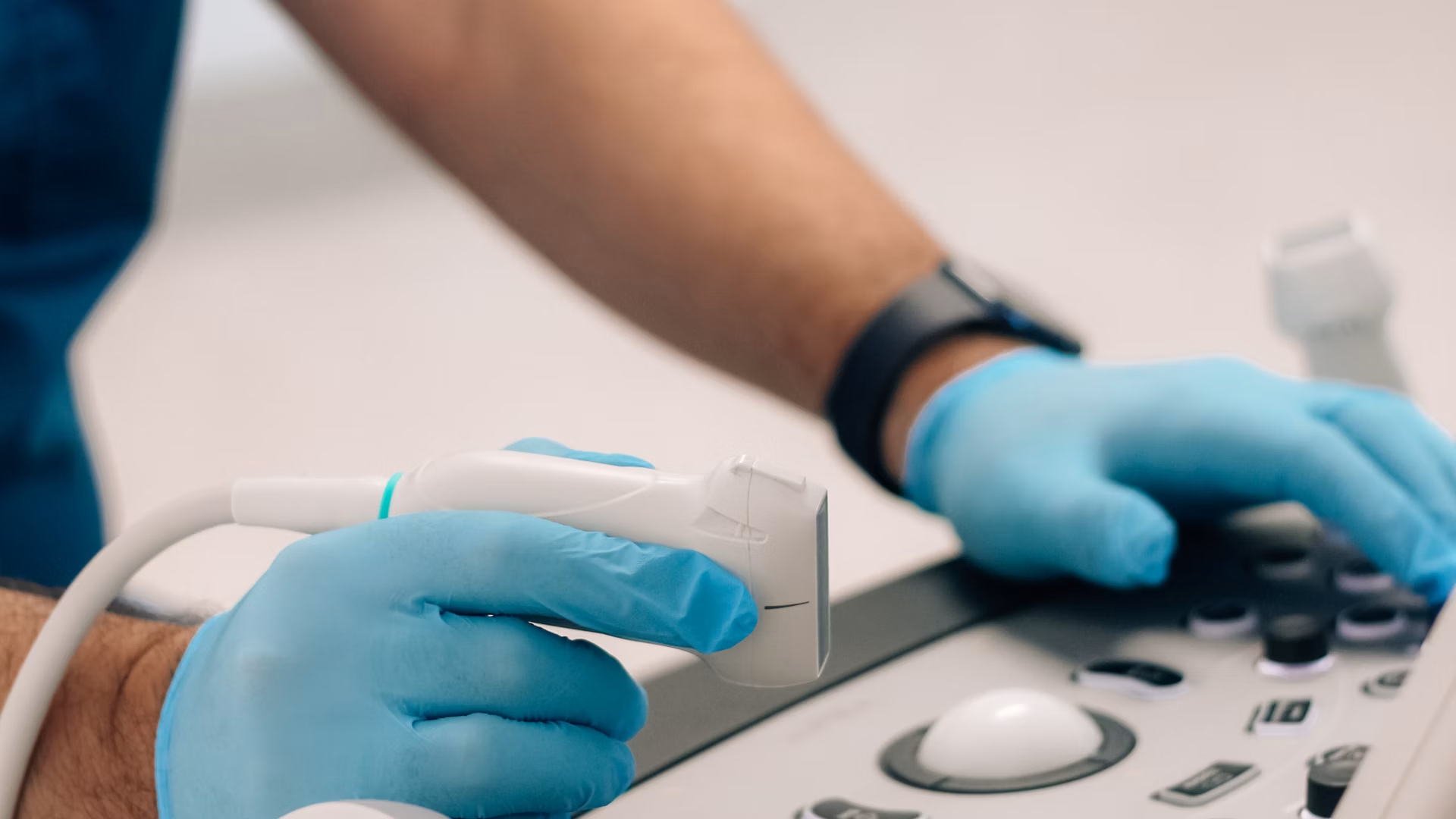
- Ultrasound-guided
- Custom-counted platelets tailored to the patient’s age and injury
Written and clinically reviewed by
Paul D. Tortland, DO, FAOASM, CAQSM, RMSK
Dual-board certified in Sports Medicine and Regenerative Medicine · Registered in Musculoskeletal Ultrasound (RMSK) · First physician in the world certified in regenerative medicine by the American Academy and Board of Regenerative Medicine · First physician in New England to perform PRP Platelet-Rich-Plasma injections and BMA bone marrow aspirate & MFAT / adipose stem cell injections for orthopedic conditions since 2007.
Last clinically reviewed
September 2026
What you need to know about PRP for knee arthritis
PRP injections for knee arthritis may help reduce pain and improve function in some people with mild to moderate knee osteoarthritis. PRP is made from a patient’s own blood and injected into the knee to help calm inflammation and support the body’s natural healing response.
PRP is not a cure for arthritis, and it does not regrow cartilage. Results are less predictable in severe, bone-on-bone arthritis.
The best candidates usually have early to moderate knee arthritis and want to delay or avoid surgery.
How PRP works Can PRP injections help knee arthritis? Customized PRP PRP vs alternatives Candidacy Risks & next steps FAQ
PRP knee arthritis care in Connecticut
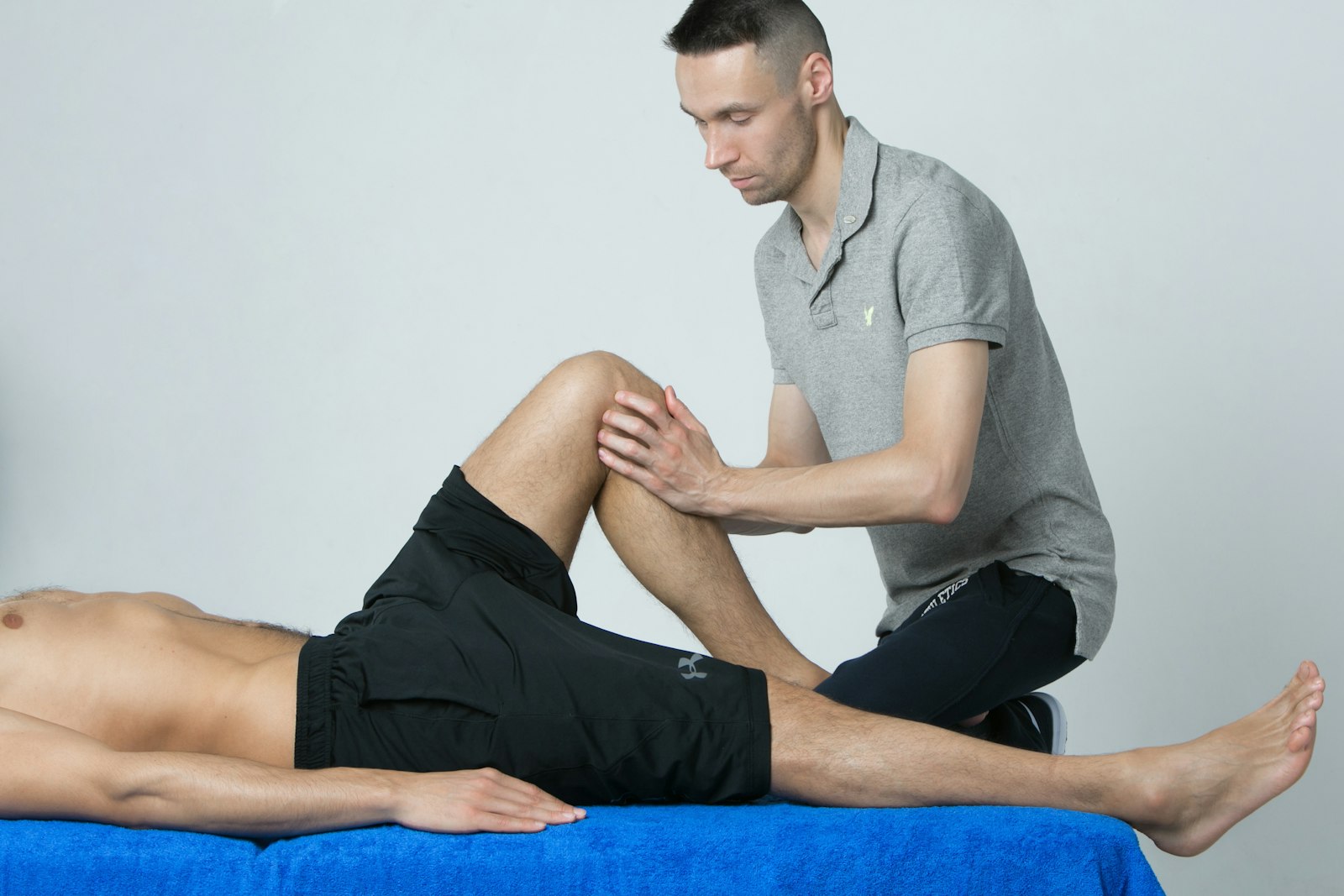
Dr. Tortland sees patients at his Glastonbury office for evaluation of knee arthritis and other musculoskeletal conditions. Patients commonly travel from Hartford, West Hartford, Farmington, Simsbury, South Windsor, Enfield, and other Connecticut communities for physician-performed, ultrasound-guided PRP evaluation and treatment when appropriate.
How PRP works
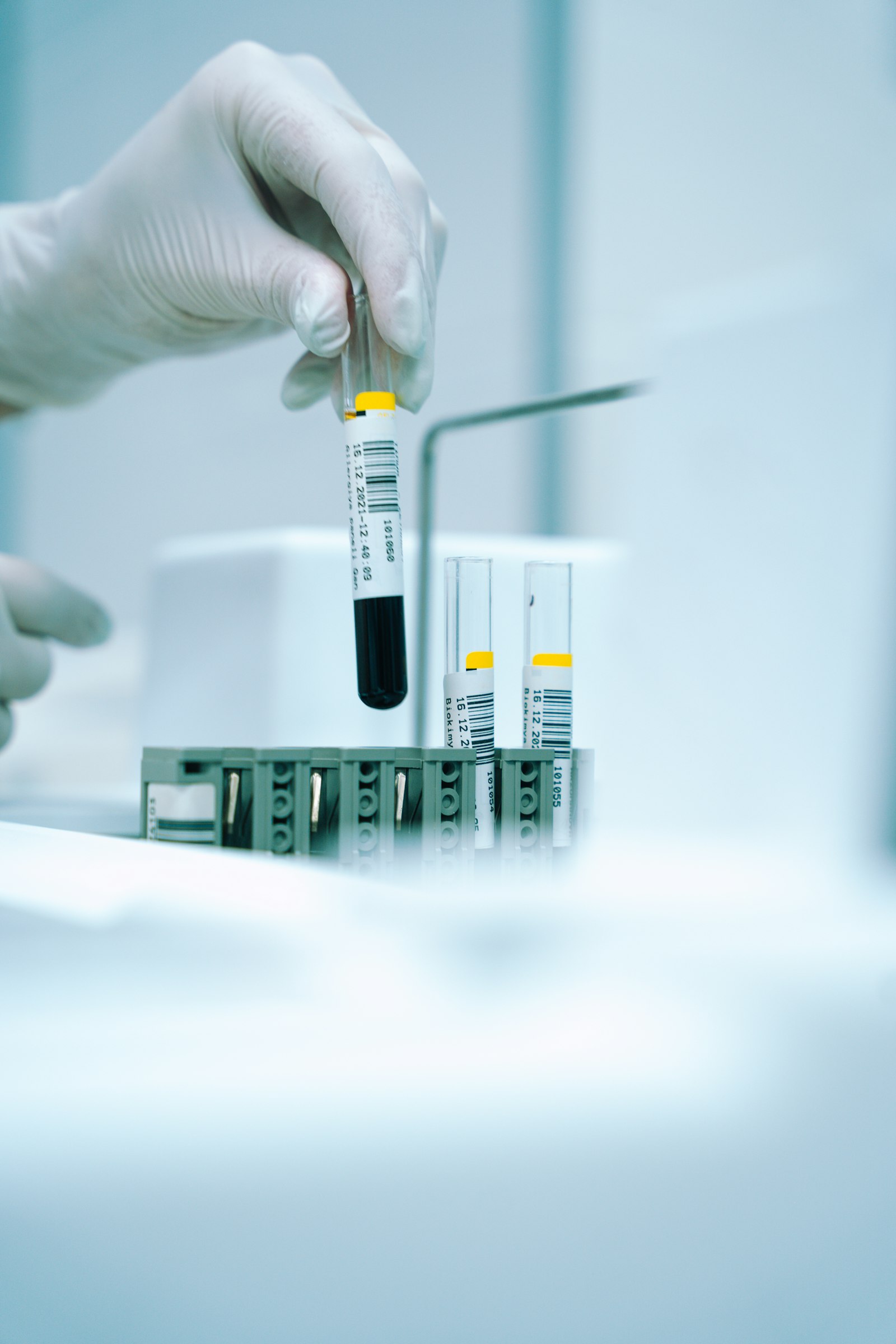
PRP stands for platelet-rich plasma. It is made by drawing a small amount of your blood, spinning it in a centrifuge, and concentrating the platelets. The platelet-rich portion is then injected into the knee joint.
Platelets contain growth factors, which are proteins that signal tissue repair and help regulate inflammation. For knee arthritis, the goal is not to rebuild lost cartilage. The goal is to reduce inflammation, calm pain signaling, and improve the joint environment.
The visit itself is simple
- Blood draw
- Centrifuge
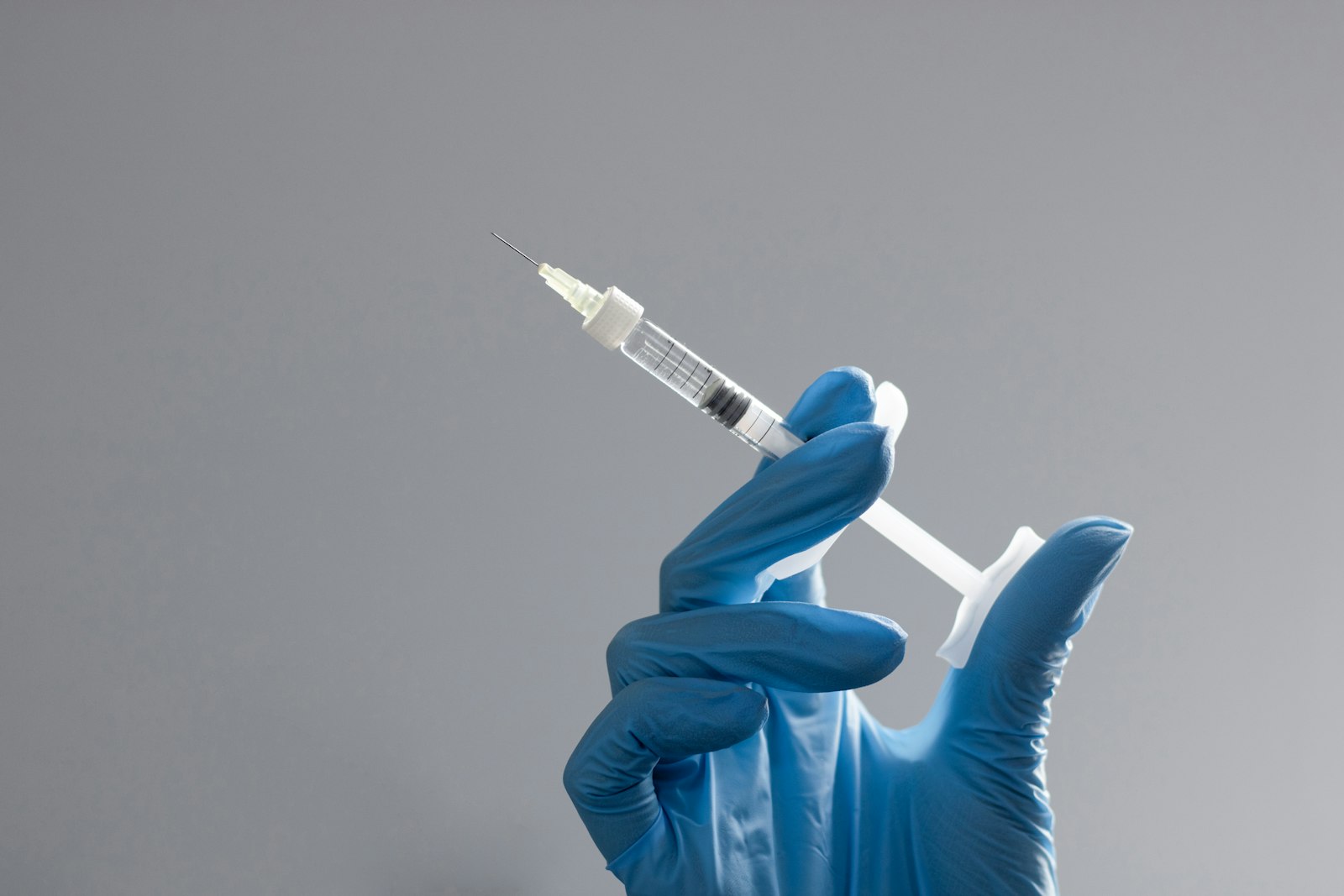
- Guided injection
The whole process takes well under an hour, and most people return to normal daily activity within a day or two.
Can PRP injections help knee arthritis?
Yes. PRP can help many people with mild to moderate knee arthritis, and relief may last for months in patients who respond.
PRP works best when:
- The knee still has some joint space left
- Arthritis is not yet severe
- The patient is active and committed to conservative care
PRP is less reliable for advanced bone-on-bone arthritis.
What does the research say?
PRP vs. hyaluronic acid / gel injections
Meta-analyses have found that PRP can improve pain and function better than hyaluronic acid gel shots in many patients with knee osteoarthritis, especially after the first few months.
PRP vs. cortisone / steroid injections
Steroid injections may relieve pain faster, but PRP may offer longer-lasting benefit for some patients. PRP is often considered when the goal is to support healing and reduce inflammation over time.
Why do PRP results vary?
PRP is not one single product. Platelet concentration, white blood cell content, preparation method, injection technique, and patient selection all affect results. Studies focused on earlier arthritis usually show better outcomes than studies of severe disease.
Why is Dr. Tortland’s PRP different? It’s customized.
PRP is not a one-size-fits-all treatment. At Dr. Tortland’s practice, treatment begins with diagnosis, not a preset recipe.
Dr. Tortland’s double-spin process, measured on a Beckman Coulter DxH 500 cell counter, averages at least 12–15x baseline platelet count. For arthritic knees he selects leukocyte-poor PRP, which is often preferred for less short-term discomfort.
Measures your baseline
Dr. Tortland measures the patient’s baseline platelet count.
Measures the preparation
Dr. Tortland measures the resulting PRP preparation and evaluates its cellular composition.
Tailors the protocol
Dr. Tortland uses those measurements to help guide treatment based on the diagnosis and tissue being treated.
Guided delivery
PRP is delivered with advanced musculoskeletal ultrasound and x-ray guidance to visualize the target anatomy and ensure precise needle placement.
How PRP compares to other knee arthritis treatments
Corticosteroid
Effect: Suppresses inflammation quickly Duration: Usually short-term Best for: Fast relief
Hyaluronic acid
Effect: May improve lubrication in the joint Duration: Variable Best for: Some patients seeking a non-surgical injection
High-concentration PRP
Effect: Calms inflammation and supports the knee’s healing response Duration: Often months in patients who respond Best for: Mild to moderate arthritis
Knee replacement
Effect: Replaces the joint surface Duration: Long-term Best for: Severe, end-stage bone-on-bone arthritis
Who is a good candidate for PRP injections?
- Mild to moderate knee osteoarthritis on imaging
- Ongoing pain despite exercise and simple measures
- Partial meniscus, tendon, or ligament tear not needing surgery
- Patients who want to delay surgery if possible
- Patients who understand PRP helps some people more than others
What are the risks and side effects of PRP?
PRP is low-risk because it uses a patient’s own blood, so allergic reactions are very unlikely.
The most common side effects are soreness, stiffness, and mild swelling at the injection site for a day or two.
Infection, bleeding, and nerve irritation are rare, but possible with any joint injection.
FDA & insurance
PRP is FDA-cleared to prepare but not FDA-approved as a treatment for arthritis, which is why most insurance plans do not pay for it.
What should you expect after a PRP injection?
PRP does not usually work right away. Improvement often develops over several weeks, and some patients continue to notice benefits for months.
Mild soreness, stiffness, or swelling for a day or two is normal. How long results last depends on the severity of the arthritis and the patient’s response.
When should someone choose knee replacement instead of PRP?
Knee replacement is usually the better option when arthritis is severe or bone-on-bone, pain affects daily life or sleep, and injections or therapy no longer provide lasting relief.
PRP works best earlier in the arthritis process.
What should you do next about your knee arthritis?
Start with an accurate picture of the knee, not a product. A standing X-ray, a proper exam, and a discussion of your goals can help show the right path. That might be PRP injections, another non-surgical option, or a surgical discussion.
Dr. Tortland sees patients from Glastonbury and across Connecticut and New England. Office: 59 Sycamore St, Suite 301, Glastonbury, CT 06033 · Phone: (860) 430-2821 · Care focus: Ultrasound-guided evaluation and individualized non-surgical options for mild-to-moderate knee osteoarthritis. Provides surgical recommendations when needed.
More PRP questions answered →
PRP Therapy: Customized. Measured. Ultrasound-Guided. →
Does PRP actually work for knee osteoarthritis? →
Cellular Orthobiologics: when cells are needed →
Frequently asked questions
Is PRP safe for knee arthritis?
PRP is generally low risk because it uses your own blood. Most side effects are temporary and mild.
How long does PRP take to work for knee pain?
PRP usually works gradually. Many patients notice improvement over several weeks, with benefits sometimes continuing for months.
Is PRP painful?
The injection is usually tolerable. Most patients feel pressure or brief discomfort, followed by mild soreness for a day or two.
How many PRP injections do I need?
Some patients improve after one injection, while others may need a series. The right plan depends on the knee, the diagnosis, and the response to treatment.
Can PRP replace knee replacement surgery?
No. PRP cannot replace a knee replacement when arthritis is severe. It may help some patients delay surgery when arthritis is mild to moderate.
What is the success rate of PRP for knee arthritis?
Results vary, but PRP tends to work best in patients with early to moderate arthritis rather than severe bone-on-bone disease.
Does insurance cover PRP for knee arthritis?
Many insurance plans do not cover PRP for knee arthritis, so patients should check coverage before scheduling treatment.
Does PRP regrow cartilage?
No. PRP is not proven to regrow cartilage. Its goal is to reduce pain and improve function.
What is the difference between PRP and cortisone?
Cortisone may reduce pain faster, while PRP may offer longer-lasting benefit for some patients by supporting the body’s healing response.
Is PRP better than hyaluronic acid?
PRP may improve pain and function better than hyaluronic acid in many patients with knee osteoarthritis, especially after the first few months.
How many PRP injections are typical?
Some patients need only one injection, while others may benefit from a short series depending on the diagnosis and response.
Who should not get PRP for knee arthritis?
Patients with severe bone-on-bone arthritis, major deformity, or unrealistic expectations may be less likely to benefit and should be evaluated carefully.
References & further reading
- 01Belk JW, Kraeutler MJ, Houck DA, Goodrich JA, Dragoo JL, McCarty EC. Platelet-Rich Plasma Versus Hyaluronic Acid for Knee Osteoarthritis: A Systematic Review and Meta-analysis of Randomized Controlled Trials. Am J Sports Med. 2021;49(1):249-260.
- 02Oeding JF, Varady NH, Fearington FW, et al. Platelet-Rich Plasma Versus Alternative Injections for Osteoarthritis of the Knee: A Systematic Review and Statistical Fragility Index-Based Meta-analysis. Am J Sports Med. 2024;52(12):3147-3160.
- 03Filardo G, Kon E, Buda R, et al. Platelet-rich plasma intra-articular knee injections for the treatment of degenerative cartilage lesions and osteoarthritis. Knee Surg Sports Traumatol Arthrosc. 2011;19(4):528-535.
- 04AAPM&R Orthobiologic Technical Expert Panel. AAPM&R guidance statement on platelet rich plasma for knee osteoarthritis. PM&R. 2025.
- 05Berrigan WA, Bailowitz Z, Park A, Reddy A, Liu R, Lansdown D. A Greater Platelet Dose May Yield Better Clinical Outcomes for Platelet-Rich Plasma in the Treatment of Knee Osteoarthritis: A Systematic Review. Arthroscopy. 2025;41(3):809-817.e2.
- 06Hooper N, Shapiro S, Paidsetty V, et al. Platelet-Rich Plasma Outcomes in Knee Osteoarthritis Are Associated With the Amount of Total Deliverable Platelets: A Systematic Review and Meta-analysis. PM R. 2025.
- 07Saqlain N, Mazher N, Fateen T, Siddique A. Comparison of Single and Double Centrifugation Methods for Preparation of Platelet-Rich Plasma (PRP). Pak J Med Sci. 2023;39(3):634-637.
- 08Han Q, Li Y, Meng D, et al. Efficacy of Leukocyte-Rich Versus Leukocyte-Poor Platelet-Rich Plasma in the Treatment of Knee Osteoarthritis: A Systematic Review and Meta-analysis. Ann Palliat Med. 2020;9(4):1753-1762.
- 09Martín-Vega M, Gómez-Carrión Á, Zaragoza-García I, et al. Leukocyte-rich versus leukocyte-poor platelet-rich plasma for osteoarthritis: a systematic review. Regen Ther. 2026;31:101078.
- 10Shahid A, Malik A, Bukhari A, Shaikh A, Rutherford J, Barkatali B. Do platelet-rich plasma injections for knee osteoarthritis work? Cureus. 2023;15(2):e34533.
- 11Everts P, Onishi K, Jayaram P, Lana JF, Mautner K. Platelet-Rich Plasma: New Performance Understandings and Therapeutic Considerations in 2020. Int J Mol Sci. 2020;21(20):7794.
- 12Mulvaney SW, Tortland PD, Shiple B, Curtis K. Regenerative medicine options for chronic musculoskeletal conditions: a review of the literature. Endurance and Sports Medicine. 2018.
Medical Disclaimer: Information on this page is provided for educational purposes and does not constitute medical advice, diagnosis, or treatment, guarantee a particular outcome, or establish a physician-patient relationship. Treatment suitability and expected results vary by patient and depend on individual clinical circumstances and the available scientific evidence. The inclusion of a procedure, treatment, or therapy on this website does not mean that it is appropriate for every patient, effective for every condition, superior to other treatment options, or guaranteed to produce a particular result. Orthobiologic procedures discussed on this website are medical procedures performed under the practice of medicine. The FDA regulatory status of any particular product, device, or use may vary, and FDA approval or clearance should not be inferred unless specifically stated. Dr. Tortland reports no financial interest in the products or devices described on this page. Individual results vary, and treatment decisions require an appropriate clinical evaluation, including an in-person examination when indicated.