Where to See Dr. Tortland in Connecticut
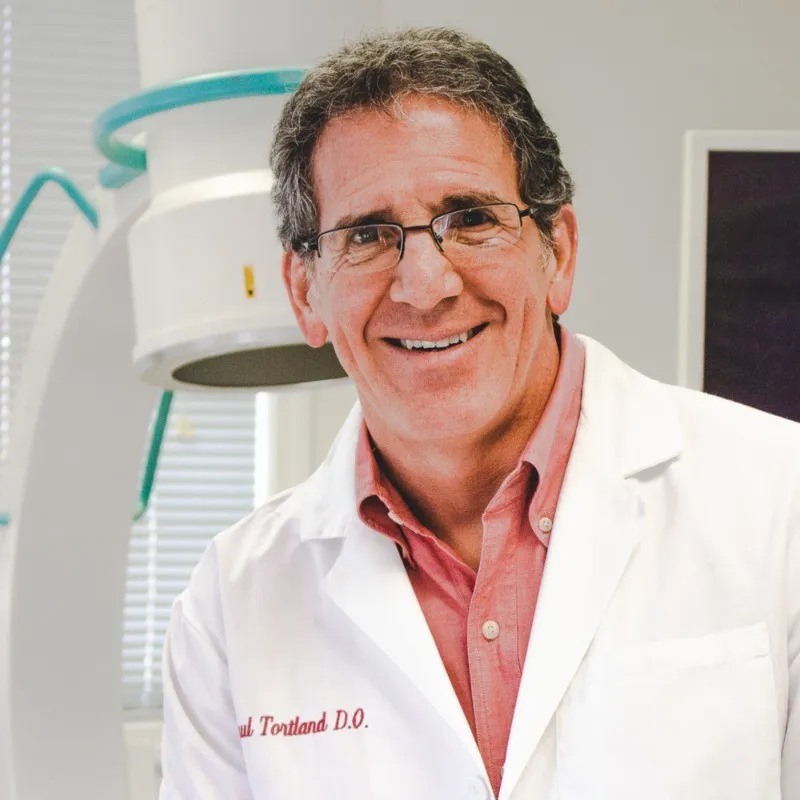
Dr. Paul Tortland, DO provides comprehensive orthopedic evaluations for patients at his Glastonbury, CT office. The practice sees patients from Glastonbury, Hartford, West Hartford, Farmington, Simsbury, South Windsor, and other Connecticut and New England communities.
📍 59 Sycamore Street, Suite 301, Glastonbury, CT 06033 — Get directions
📞 (860) 430-2821
Learn more about Dr. Tortland · Request an evaluation
Direct answer: PRP is not a single, standardized treatment. The platelet concentration, the total number of platelets delivered, whether white blood cells are included, and the preparation system all vary widely between providers. Commercial bedside kits typically produce about 2 to 7 times the platelet level of your blood. Researchers still debate the ideal dose, but these differences are real, and most patients are never told what they received.
Why "PRP" Can Mean Very Different Things
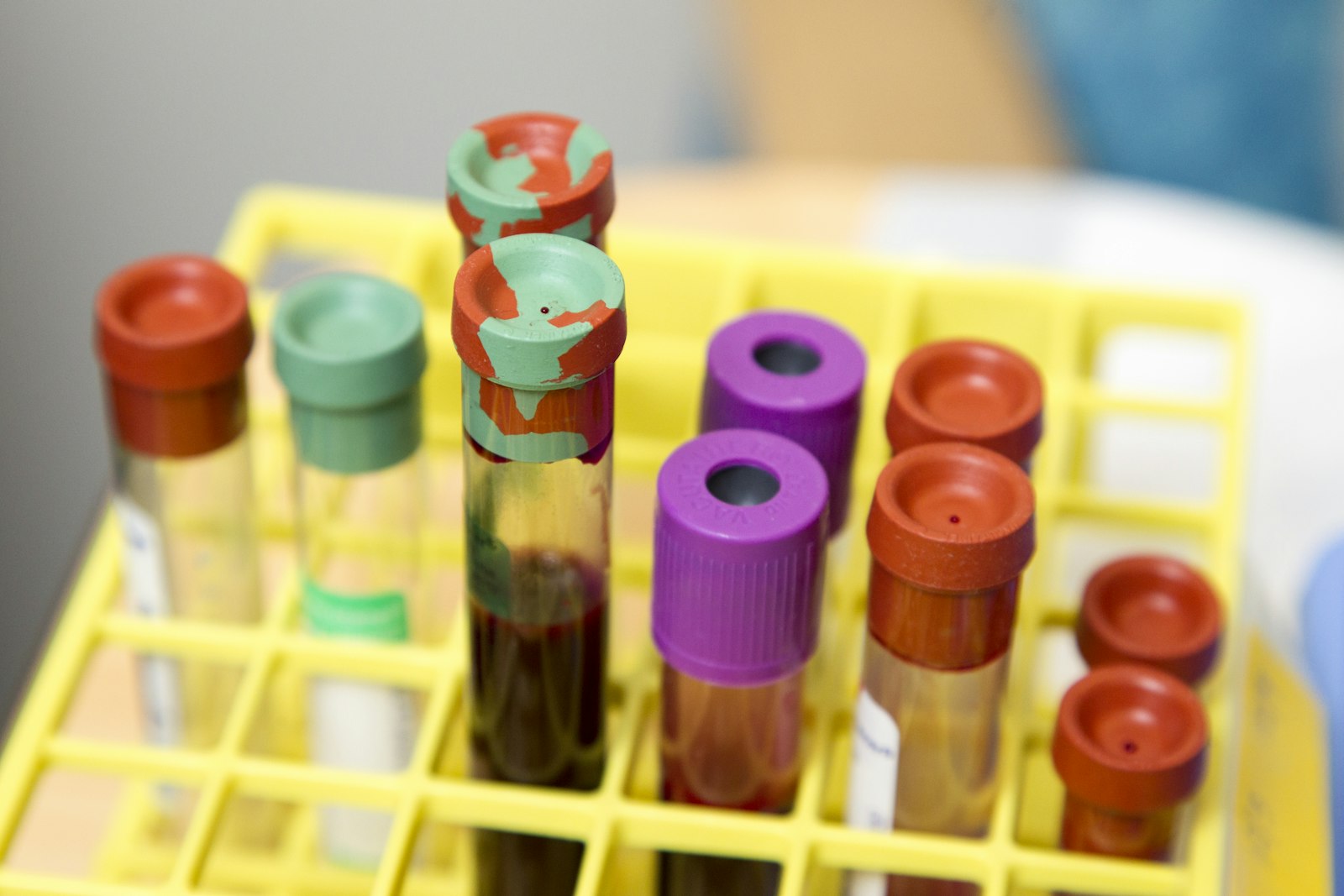
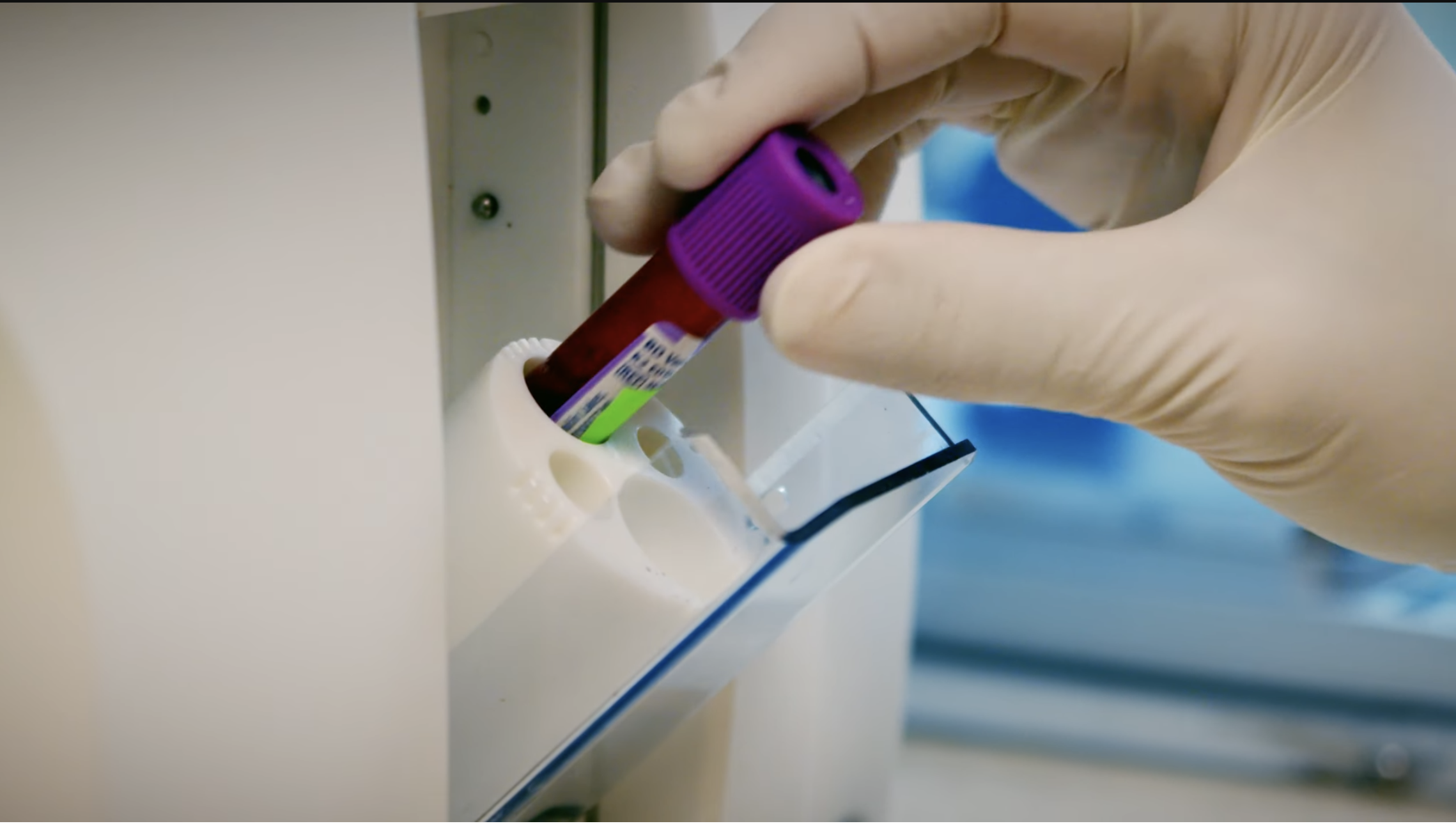
PRP is made by drawing your blood and spinning it in a centrifuge to concentrate the platelets. Dozens of systems and protocols exist, and each produces a different result. A systematic review of commercially available systems (Fadadu et al., 2019) compiled data from 33 systems and protocols and found that final platelet concentrations and preparation methods varied widely. It also found that platelet concentration was directly related to how much blood was collected and how much centrifugal force the device used. The authors called for standardization so that results could be compared fairly.
In practice, two patients can each receive an injection labeled "PRP" and receive meaningfully different treatments. In our practice, it's common for patients who've had PRP elsewhere to have no idea what concentration or volume of blood was used, which is part of why we think this level of transparency matters.
The Variables That Differ Between Providers
- Concentration. How many times higher the platelet count is than in your own blood. Commercial bedside kits typically reach about 2 to 7 times baseline.
- Total platelet dose. Concentration multiplied by volume. A small volume at a high concentration and a larger volume at a lower concentration can deliver very different totals.
- Blood volume drawn. A larger draw allows a larger total dose, which is why draw volumes differ so much between protocols.
- White blood cell content. Leukocyte-rich and leukocyte-poor PRP are used for different purposes, and the choice may depend on whether a joint or a tendon is being treated.
- Preparation and pre-injection instructions. Researchers have documented wide differences in pre-injection protocols, such as medication guidance, between providers.
- Delivery. Whether the injection is placed under live ultrasound guidance or by landmarks alone.
What the Research Says About Dose, Honestly
The question of the "right" PRP dose is genuinely unsettled. A 2025 systematic review and meta-analysis of 40 randomized trials in knee osteoarthritis (Simental-Mendía et al.) found that PRP improved pain and function across all concentration ranges. Preparations up to about 4 times baseline showed larger average effects than the 4-to-9-times range, and the authors suggested moderate concentrations may be optimal.
That finding should be read carefully. Concentration alone is not the same as total platelet dose, and the trials differed in volume, number of injections, leukocyte content, and technique. Other research groups are studying whether the volume of blood drawn can serve as a practical measure of total platelet dose. The field has not reached a consensus, and anyone who claims the question is settled is overstating the evidence.
How Dr. Tortland Prepares PRP
Dr. Tortland has performed PRP since 2007, when he became the first physician in New England to offer it. Instead of a standard bedside kit, he uses the Exo Advantage processing system to prepare custom concentrations, typically targeting 12 to 15 times baseline. Depending on the treatment target, he draws anywhere from about 60 mL to more than 250 mL of blood so the total dose matches the tissue being treated. Every injection is placed under live ultrasound guidance. He discusses this approach, and the unsettled research on dose, with each patient before treatment.
Questions to Ask Any PRP Provider
- What system do you use, and what concentration does it typically produce?
- How much blood will you draw, and roughly what total platelet dose will I receive?
- Is the PRP leukocyte-rich or leukocyte-poor, and why for my condition?
- Will the injection be guided by ultrasound?
- Who performs the injection?
When Non-Surgical Care May Be Appropriate
PRP is most often considered for mild to moderate arthritis, chronic tendon problems, and selected ligament and muscle injuries, typically alongside rehabilitation and activity changes. Candidacy depends on the diagnosis, which is why the evaluation comes first.
When Surgery May Be More Appropriate
No PRP preparation, however concentrated, can repair a completely torn and retracted tendon, stabilize a mechanically unstable joint, or restore a bone-on-bone joint. In those situations, referral to an orthopedic surgeon is the right recommendation.
Limitations: What Concentration Alone Does Not Tell You
- A higher concentration has not been proven better for every condition, and some research suggests moderate concentrations work as well or better in knee arthritis.
- PRP does not regrow cartilage at any concentration.
- Knowing the concentration does not tell you whether PRP is right for your diagnosis.
- Results vary between patients and are not guaranteed or permanent.
Dr. Tortland's Perspective
I think this is one of the least understood parts of regenerative medicine. Patients should know what system their provider uses, how much blood is drawn, and what they are actually receiving. I also think patients deserve to hear that the research on the ideal dose is still evolving. I explain why I prepare PRP the way I do, and I am open about what the studies do and do not yet show.
Related Questions
- How is PRP concentration measured?
- How concentrated is PRP?
- Does PRP regrow cartilage?
- What should I ask before choosing a provider?
Next Step
Learn more on the PRP page, or schedule a consultation for a thorough evaluation, a live ultrasound exam, and a clear explanation of how your PRP would be prepared.