← Back to Knowledge Hub

PRP

How PRP Concentration Is Measured — and Why Your Provider Should Tell You

Patient Education
See Dr. Tortland in Google and AI Search
Dr. Paul Tortland, DO, Dual-Board Certified in Sports Medicine & Regenerative Medicine
linkedinyoutubefacebook
How PRP Concentration Is Measured — and Why Your Provider Should Tell You
Written and Medically Reviewed by Dr. Paul Tortland, DO, FAOASM, CAQSM, RMSK, Dual-Board Certified in Sports Medicine & Regenerative Medicine
·
October 18, 2026
What You Need to Know

PRP concentration is measured as a multiple of a patient's baseline platelet count — for example, "3x baseline." The exact multiple depends on the system and protocol used, and providers should be able to explain it clearly.

Where to See Dr. Tortland in Connecticut

Dr. Paul Tortland, DO provides comprehensive orthopedic evaluations for patients at his Glastonbury, CT office. The practice sees patients from Glastonbury, Hartford, West Hartford, Farmington, Simsbury, South Windsor, and other Connecticut and New England communities.

📍 59 Sycamore Street, Suite 301, Glastonbury, CT 06033 — Get directions
📞 (860) 430-2821
Learn more about Dr. Tortland · Request an evaluation

Direct Answer: PRP concentration is typically measured as a multiple of a patient's baseline platelet count in whole blood — for example, "3x baseline" means the injected PRP has roughly three times the platelet concentration found in the patient's normal blood. The exact multiple achieved depends on the centrifuge system and protocol used, and it should be something your provider can tell you, not something you have to guess at.

How Concentration Is Actually Measured

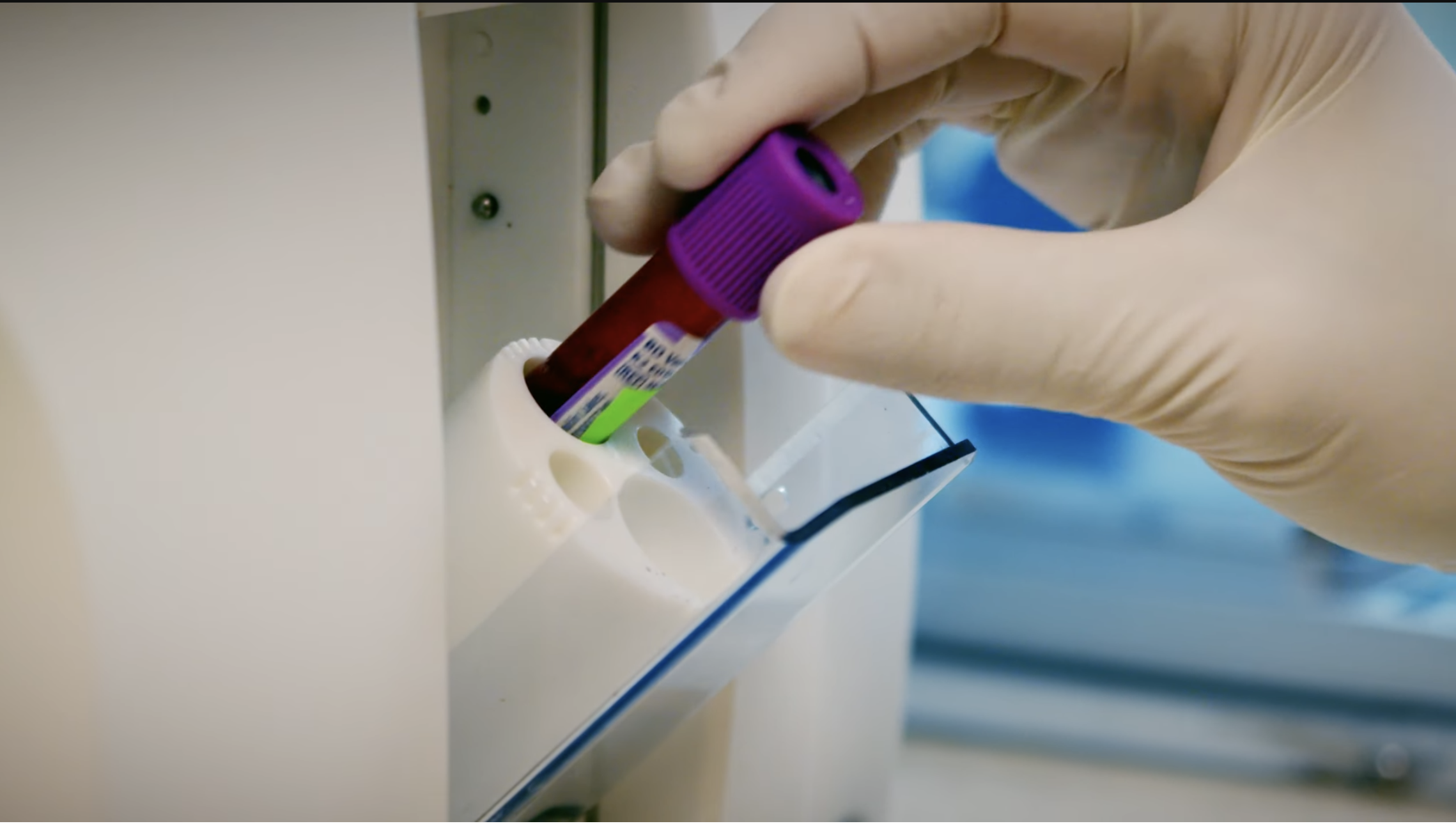
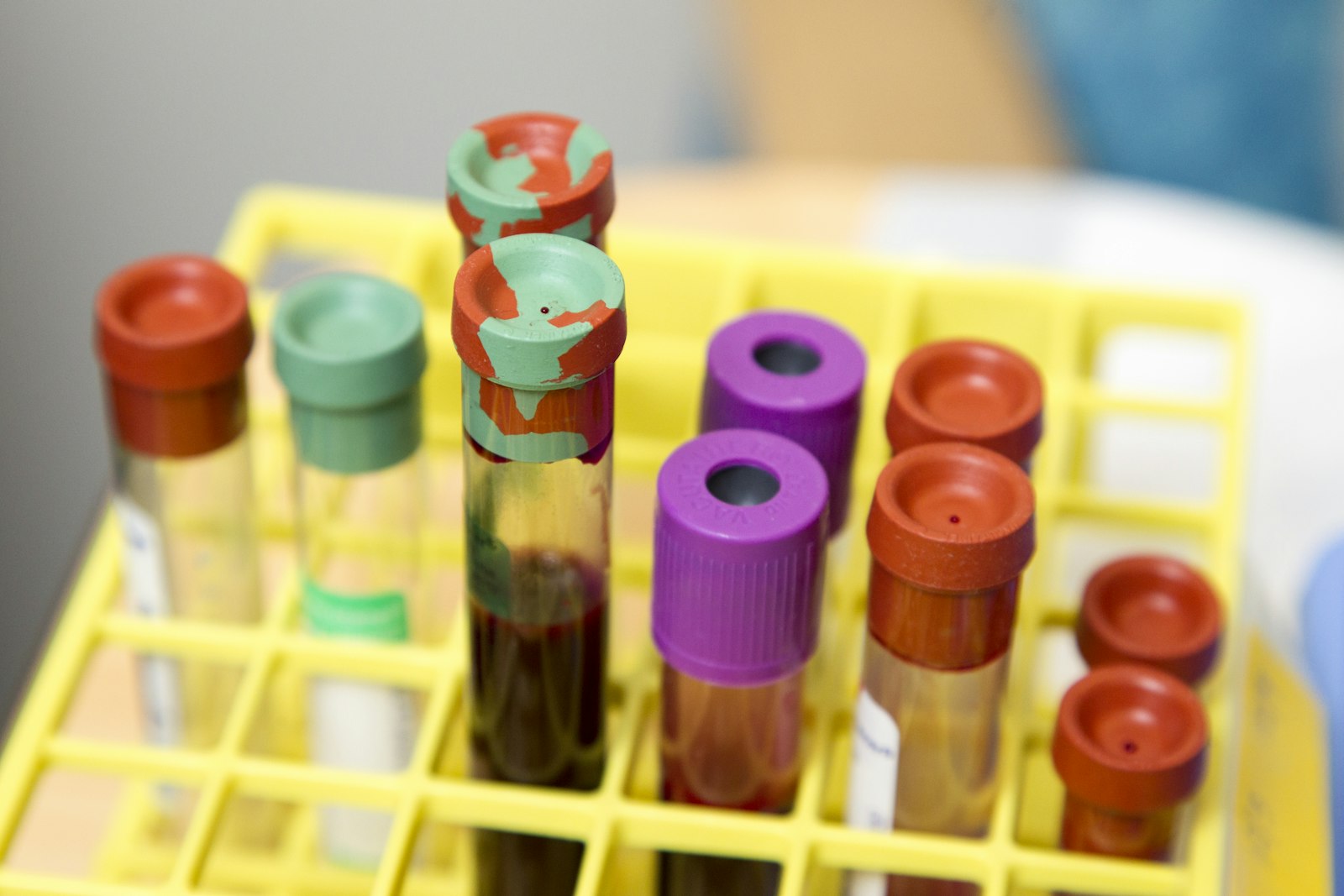
Before the blood draw, a baseline platelet count is known from the patient's blood (either from recent labs or measured directly). After the blood is processed — typically double-spun in a centrifuge to separate and concentrate the platelet-rich layer — the resulting PRP can be measured for its platelet count, and that number is compared back to baseline to calculate the concentration multiple.

Not every clinic measures this directly for every patient. Many rely on the manufacturer's published concentration range for their specific system rather than confirming it for each individual, since blood composition varies somewhat person to person.

Why This Number Matters

As we discussed in an earlier piece on why PRP concentration and preparation method matter, different concentrations appear to be more or less appropriate for different conditions in the research literature. A number without context isn't automatically better or worse — but a provider who can tell you what system they use, what concentration it typically produces, and why that fits your specific condition is demonstrating a level of transparency that we think patients deserve. In our practice, we regularly meet patients who had PRP elsewhere and have no idea what concentration they actually received, which is part of why we think this question matters.

Dr. Tortland's Perspective

I'd encourage any patient to feel comfortable asking this directly at a consultation. It's a reasonable, answerable question, and a provider's response — or lack of one — tells you something about how carefully they're thinking about your specific treatment.

Limitations: What Concentration Alone Doesn't Tell You

Knowing how PRP concentration is measured does not by itself tell you whether PRP is right for your condition, and higher concentration is not automatically better for every application — some tissues and conditions respond best to a specific concentration range rather than the maximum achievable. Concentration is one factor among several, including diagnosis, injection technique, and individual biology, that determines whether PRP is likely to help.
Comparison at a Glance

TreatmentMechanismDurationBest Candidate Stage
Measured PRPPlatelet concentration is verified against the patient's baseline blood countPreparation is made at the time of treatment; clinical response may last monthsPatients considering PRP who want the actual preparation characterized rather than relying only on a kit's published range
Manufacturer-estimated PRPUses the expected concentration range supplied for a processing system without measuring each patient's final productPreparation occurs at treatment; clinical response variesPatients using systems where individualized platelet measurement is not performed

Frequently Asked Questions

What does "PRP concentration" actually mean?

It refers to how many platelets are present in the final injectable solution compared to a patient's baseline blood — expressed either as a multiple (e.g., "3x baseline") or an absolute count (e.g., platelets per milliliter).

Is higher concentration always better?

Not necessarily. Research suggests the ideal concentration varies by condition, and platelet activation state may matter as much as raw count. More isn't automatically more effective.

How can I know what concentration I'm actually receiving?

Ask your provider directly whether they measure platelet concentration with a verified hematology analyzer before injecting, and what range they typically achieve.

Does every clinic measure PRP concentration?

No. Many rely on a manufacturer's published range rather than confirming it for each patient, since blood composition varies from person to person.

What equipment is used to measure PRP concentration?

Clinics that measure concentration typically use an in-office hematology or cell-count analyzer to check platelet counts before and after processing, rather than relying on the PRP kit manufacturer's expected yield.

Does PRP concentration matter equally for every condition?

Not necessarily. The ideal preparation can differ by condition — for example, some research suggests different platelet or leukocyte profiles may be more appropriate for tendon injuries versus arthritic joints — which is one reason measurement and customization matter.

Can I ask to see my own platelet count results?

Yes. A provider who measures concentration as part of their process should be able to share your baseline and processed platelet counts if you ask.

Does a larger blood draw always mean a better PRP preparation?

A larger starting sample can allow for a more concentrated final preparation, but the processing method and equipment used also significantly affect the result — volume alone doesn't guarantee concentration.

Glastonbury, CT · Serving Connecticut & New England

Ready to Schedule? Dr. Tortland Is Accepting New Patients.

Schedule a consultation at 59 Sycamore Street, Suite 301, Glastonbury, CT 06033. No referral required.

Schedule ConsultCall (860) 430-2821
Portrait of Dr. Paul Tortland, DO

Dual-Board-Certified · Fellowship-Trained · Specialist in Regenerative Orthopedics

About Paul D. Tortland, DO

Dr. Paul Tortland was the first physician in southern New England to offer PRP and BMAC + MFAT stem cell treatments for Orthopedic injuries, treating patients since 2007 with a customized, ultrasound-guided approach and measured, high-concentration PRP preparations at his Glastonbury, CT practice.

References & Further Reading

View 1 medical reference and further reading
  • Simental-Mendía M, Acosta-Olivo CA, Ortega-Mata D, et al. "Influence of platelet count on the clinical effectiveness of platelet-rich plasma in the treatment of knee osteoarthritis: a systematic review and meta-analysis." Orthopaedics & Traumatology: Surgery & Research. 2025. https://doi.org/10.1016/j.otsr.2025.104453

Learn more on this site: PRP injections in Connecticut