How Can I Avoid Carpal Tunnel Surgery?
With Ultrasound-guided Nerve Hydrodissection, also known as carpal tunnel release treatment. Patients are able to avoid invasive carpal tunnel surgery, and get relief for good. Even patients who have tried surgery and failed, as carpal tunnel syndrome can come back, nerve hydrodissection is a non-surgical option that can provide relief for many patients.
Where to See Dr. Tortland in Connecticut
Dr. Paul Tortland, DO provides comprehensive orthopedic evaluations for patients at his Glastonbury, CT office. The practice sees patients from Glastonbury, Hartford, West Hartford, Farmington, Simsbury, South Windsor, and other Connecticut and New England communities.
📍 59 Sycamore Street, Suite 301, Glastonbury, CT 06033 — Get directions
📞 (860) 430-2821
Learn more about Dr. Tortland · Request an evaluation
Ultrasound-guided nerve hydrodissection with 5% dextrose has real evidence behind it for carpal tunnel syndrome. 2025 studies show it outperforms saline, works even for symptoms that persist or recur after prior surgery, and, in one small randomized trial, performed comparably to open surgical release in severe cases. It isn't a guaranteed alternative to surgery for everyone, severe, longstanding nerve compression with muscle wasting still often needs surgical release, but for many patients it's a genuinely evidence-supported option worth trying first, not a fringe alternative to the established treatment.
What is Carpal Tunnel Syndrome?
Carpal tunnel syndrome (CTS) is compression of the median nerve as it passes through a narrow tunnel at the wrist, and it's the most common entrapment neuropathy, causing numbness, tingling, and weakness in the hand, often worse at night. Traditional treatment has escalated from splinting and activity modification to corticosteroid injection to surgical release for more advanced or unresponsive cases.
What is Nerve Hydrodissection?
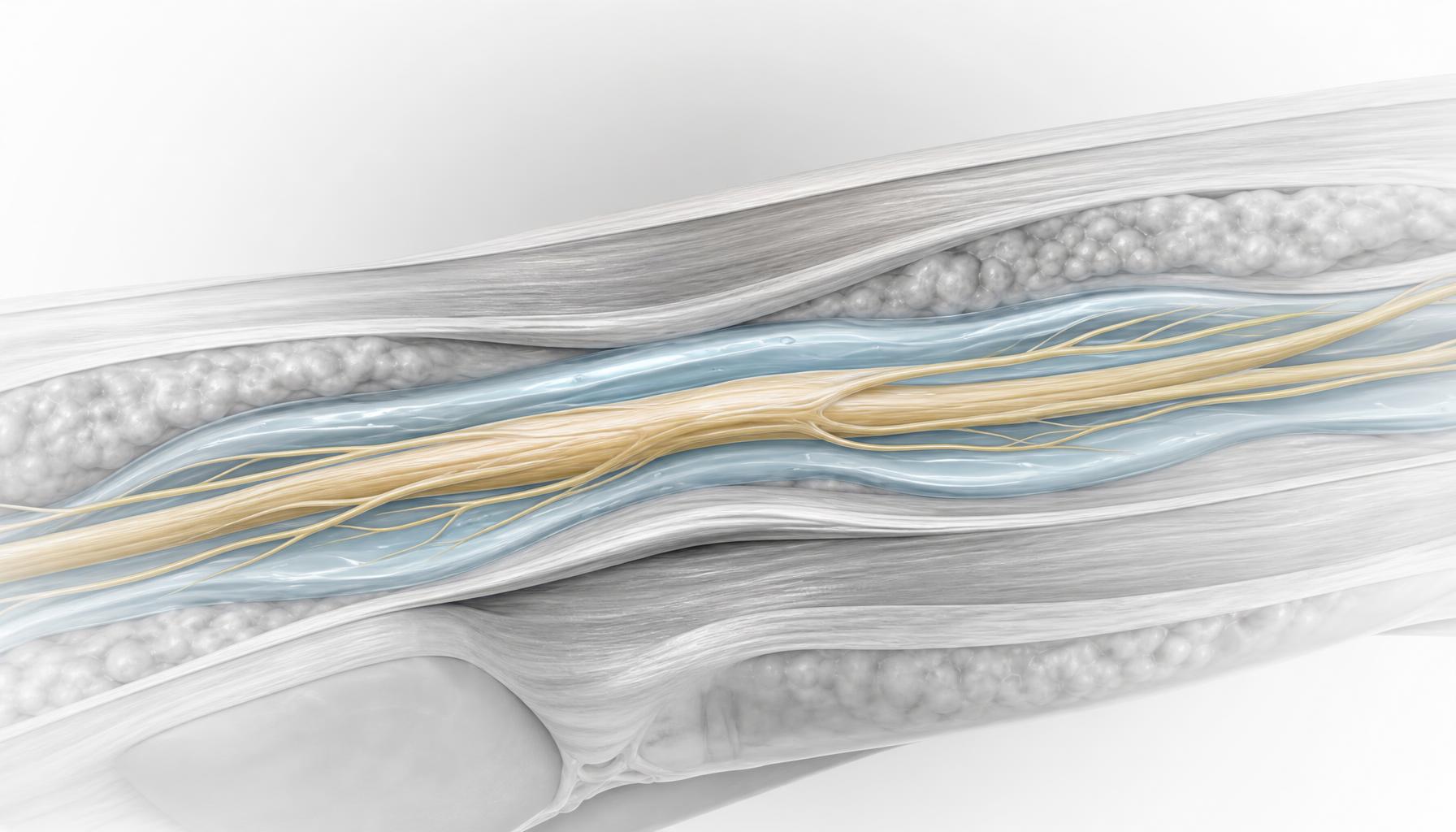
Ultrasound-guided hydrodissection uses fluid, typically 5% dextrose in water (D5W), injected precisely around the median nerve to mechanically separate it from surrounding tissue that may be compressing or tethering it, while the dextrose itself is thought to have an additional mild anti-inflammatory or regenerative effect on the nerve.
What the Evidence Shows
A 2025 systematic review and network meta-analysis found that 5% dextrose hydrodissection provided superior initial symptom relief and functional recovery compared to saline or other injectate options, and described it as a reasonable first-line choice for mild-to-moderate CTS. A 2025 randomized trial comparing higher and lower volumes of dextrose found that 10 mL of 5% dextrose was more effective than smaller volumes or saline at reducing pain and nerve size at 12 weeks, with no serious adverse effects reported.
Two findings are particularly relevant for patients who assume surgery is their only remaining option. First, a 2025 prospective cohort of 100 patients with persistent or recurrent symptoms after a prior carpal tunnel release found meaningful clinical and ultrasound improvement with dextrose hydrodissection, more favorable in recurrent than persistent disease, offering a real option for patients whose surgery didn't fully resolve their symptoms. Second, a 2025 randomized controlled trial directly compared ultrasound-guided hydrodissection to open surgical release in patients with severe CTS and found comparable outcomes between the two groups, a notable finding, since severe CTS is typically considered a straightforward surgical indication.
Who Is a Good Candidate for Hydrodisssection?
Patients with mild-to-moderate CTS, confirmed by exam and often nerve conduction studies or ultrasound, are the strongest candidates, particularly before committing to surgery. Patients with persistent or recurrent symptoms after a prior carpal tunnel release, a frustrating and historically undertreated group, are also increasingly reasonable candidates based on the most recent evidence. In our practice, we often see patients in this second group who were told surgery was their only remaining option, and who are relieved to learn hydrodissection is a reasonable thing to try first.
When Surgery May Still Be the Better Option
Severe, longstanding compression with significant muscle wasting (thenar atrophy) or progressive motor loss is a situation where surgical release remains the most predictable path to meaningful recovery, and delaying it in that scenario can allow further, potentially permanent nerve damage. An honest evaluation should identify this group rather than offer hydrodissection as a universal substitute.
Limitations: What Hydrodissection Does Not Do
- It does not reverse established nerve damage or muscle wasting from longstanding, severe compression.
- Results and duration of benefit vary; some patients need repeat treatment, and not everyone avoids eventually needing surgery.
- It is not a substitute for surgery when surgery is genuinely the better option, particularly with progressive weakness or muscle atrophy.
- Candidacy depends on accurate diagnosis and severity grading, ideally including nerve conduction studies or ultrasound, not symptoms alone.
Dr. Tortland's Perspective
"Although carpal tunnel surgery has a long track record, I don't think it should be presented as the only option before something less invasive has been genuinely tried," says Dr. Tortland. "Even with surgery, carpal tunnel syndrome can still come back. Nerve hydrodissection, in my direct experience, works incredibly well - including for patients whose prior surgery didn't fully resolve their symptoms. Nerve Hydrodissection - also called carpal tunnel release - has provided great relief for the vast majority of my patients. In my experience, only a handful of patients ended up needing surgery. What matters is an accurate severity assessment first to ensure proper diagnosis."
Next Step
If you've been told carpal tunnel surgery is your only option, or if a prior surgery didn't fully resolve your symptoms, it's worth a second look at whether hydrodissection is a reasonable option for your specific case. Schedule a comprehensive evaluation, including same-visit diagnostic ultrasound, for an honest assessment, at 860-430-2821, or via our contact form.
Related condition guide: For a broader overview of symptoms, diagnosis and the full range of care, see Carpal Tunnel Syndrome.