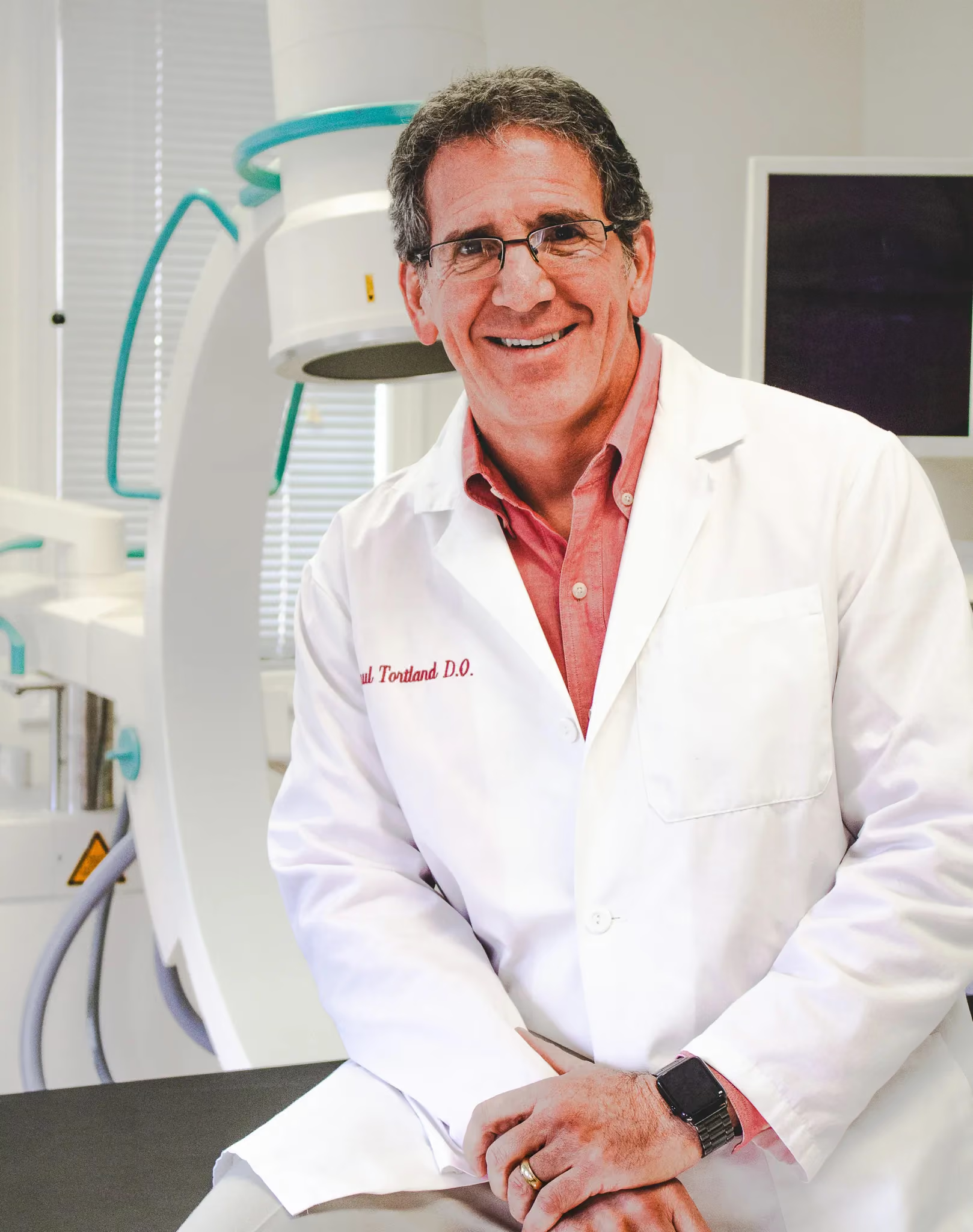
Dr. Paul Tortland, DO, FAOASM, CAQSM, RMSK
Non-Surgical Orthopedics & Regenerative Medicine in Glastonbury, CT
Diagnosis first, surgery only when needed
Dr. Paul Tortland, DO, FAOASM, CAQSM, RMSK provides diagnosis-first, non-surgical regenerative orthopedics and interventional spine care in Glastonbury, Connecticut.
A pioneer in orthobiologics, Dr. Tortland was the first physician in southern New England to perform:
> Platelet-Rich-Plasma (PRP) injections in 2007
> Autologous Cellular Treatments BMA (bone marrow aspirate) & MFAT (adipose stem cells) in 2008
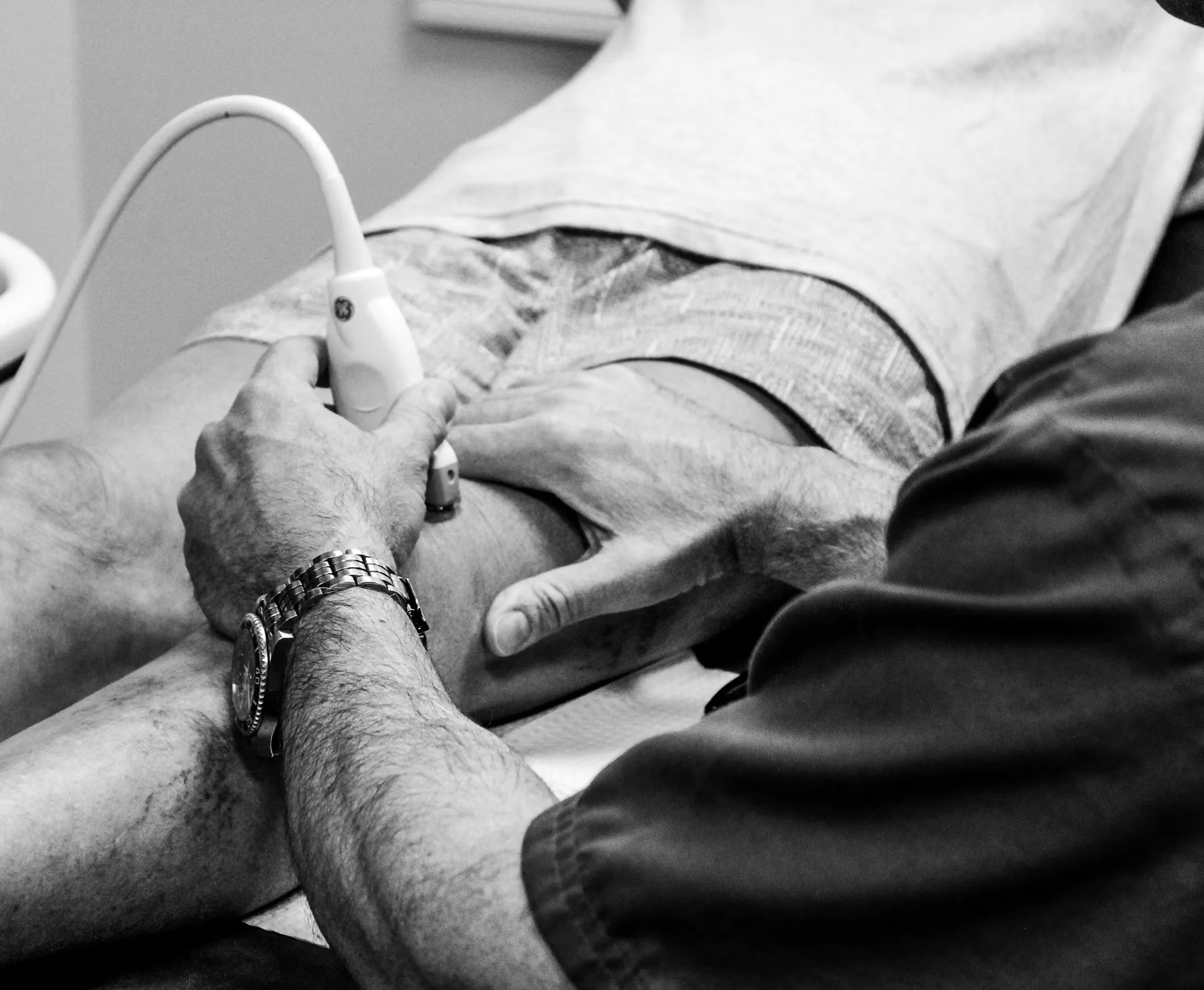
Always using live Ultrasound and Fluoroscopic (X-Ray) guided injections, Dr. Tortland provides evidence-informed comprehensive evaluations and customized non-operative treatment options for the whole body, including knee, hip, shoulder, back, and neck pain before surgery is ever considered.
What it is
Custom Platelet-Rich Plasma (PRP) concentrates platelets. BMA and MFAT are distinct orthobiologic preparations with different uses, evidence, and limitations.
Who it fits
May be considered for selected cases of arthritis, persistent tendon problems, and partial tears after a clinical evaluation.
How decisions are made
Diagnosis, evidence, likely benefits, and limitations guide each plan—including when another treatment or surgery is the better choice.
Diagnosis First. Surgery Last.
30+
Years in sports medicine
2007
First orthopedic PRP in southern New England
1st
Physician worldwide to earn Regenerative Medicine board certification (2015)
100%
Procedures performed by Dr. Tortland
About Dr. Tortland
What sets Dr. Tortland apart
Dr. Paul Tortland, DO is a pioneer in the fields of regenerative medicine and non-surgical orthopedics with more than 30 years of medical experience. He is dual board certified in Sports Medicine and Osteopathic Manipulative Medicine (OMM) and Regenerative Medicine, holds the RMSK musculoskeletal ultrasound credential, and is a Diplomate of the American Board of Regenerative Medicine (ABRM, 2015). He is a Fellow of the American Osteopathic Academy of Sports Medicine.
Dr. Tortland is the first physician to perform PRP treatments in southern New England beginning in 2007 and BMA / MFAT stem cell treatments in 2008. In 2015, he became the first physician in the world to earn board certification in Regenerative Medicine through the American Board of Regenerative Medicine. He also teaches orthobiologic techniques to physicians around the world.
Initial evaluations are scheduled for at least an hour to ensure un-rushed concierge-level care for each patient. Dr. Tortland reviews your history, examination and existing imaging, uses diagnostic musculoskeletal ultrasound when appropriate, and personally discusses treatment options. He personally performs procedures, with ultrasound or fluoroscopic guidance as appropriate to the target.
Specialty
Sports Medicine, Non-Surgical Orthopedics & Regenerative Medicine
Credentials
DO, FAOASM, CAQSM, RMSK. Dual board certified in Sports Medicine and OMM and Regenerative Medicine; Diplomate, American Board of Regenerative Medicine (2015).
Appointments
Treatments
Non-surgical treatment options
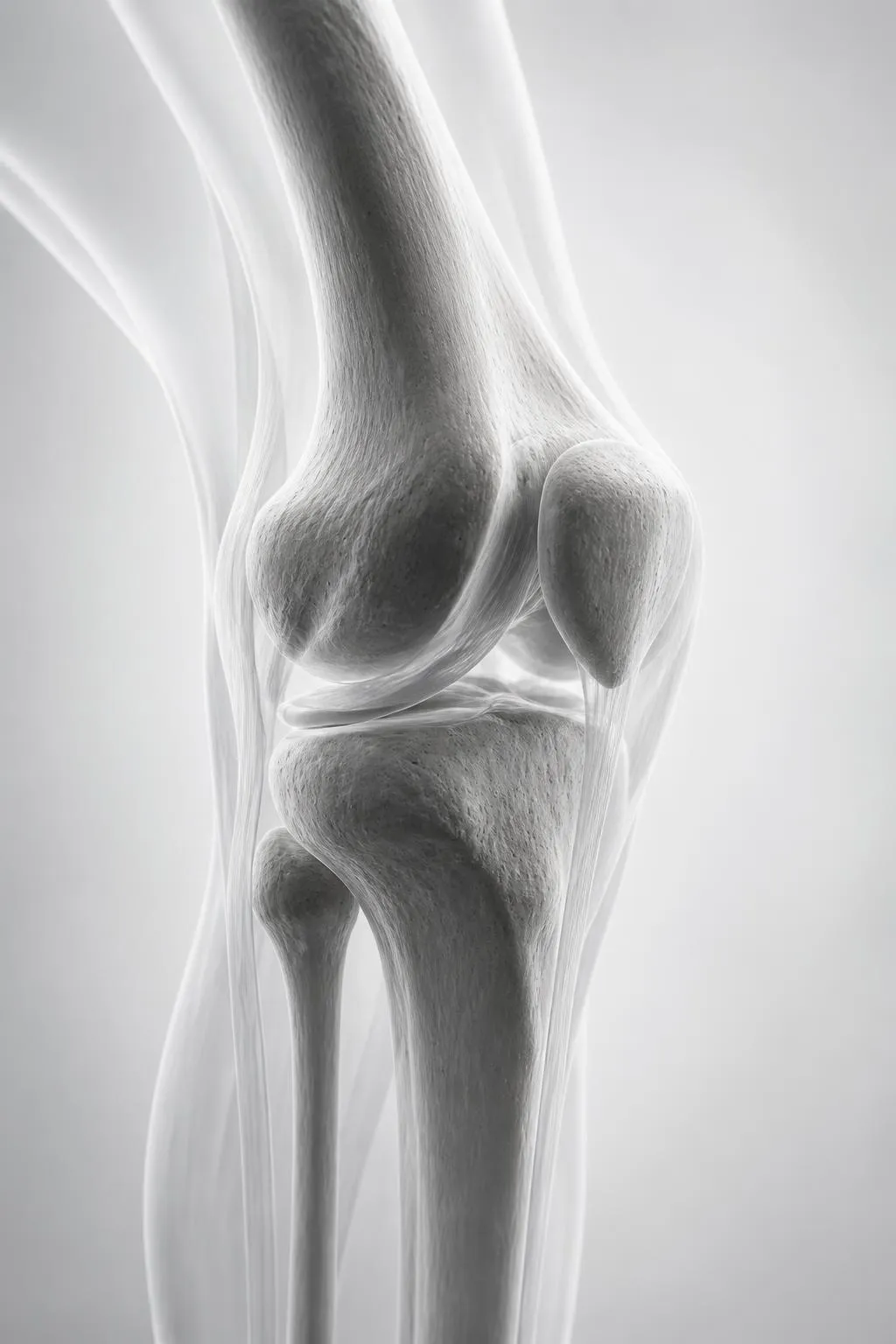
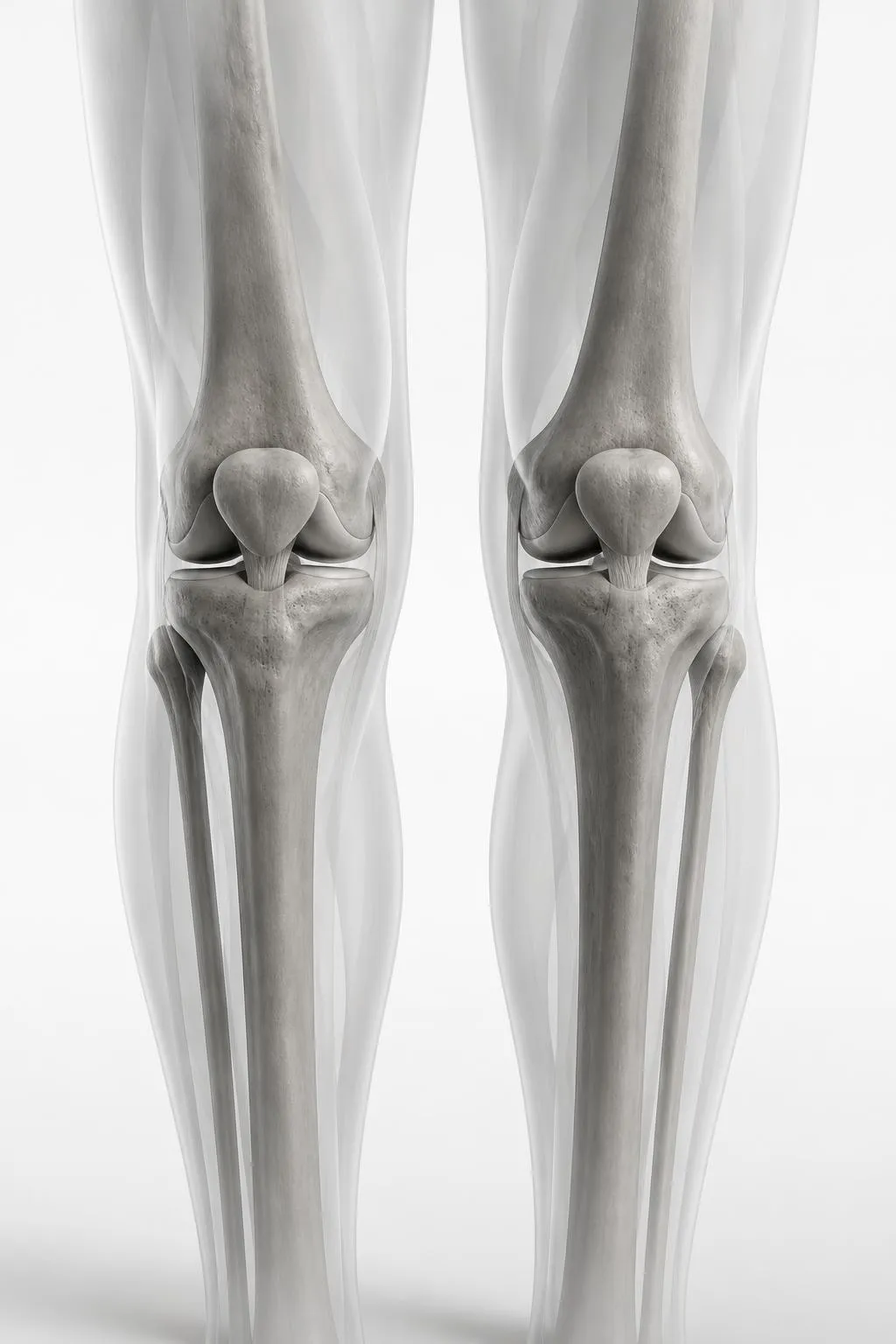
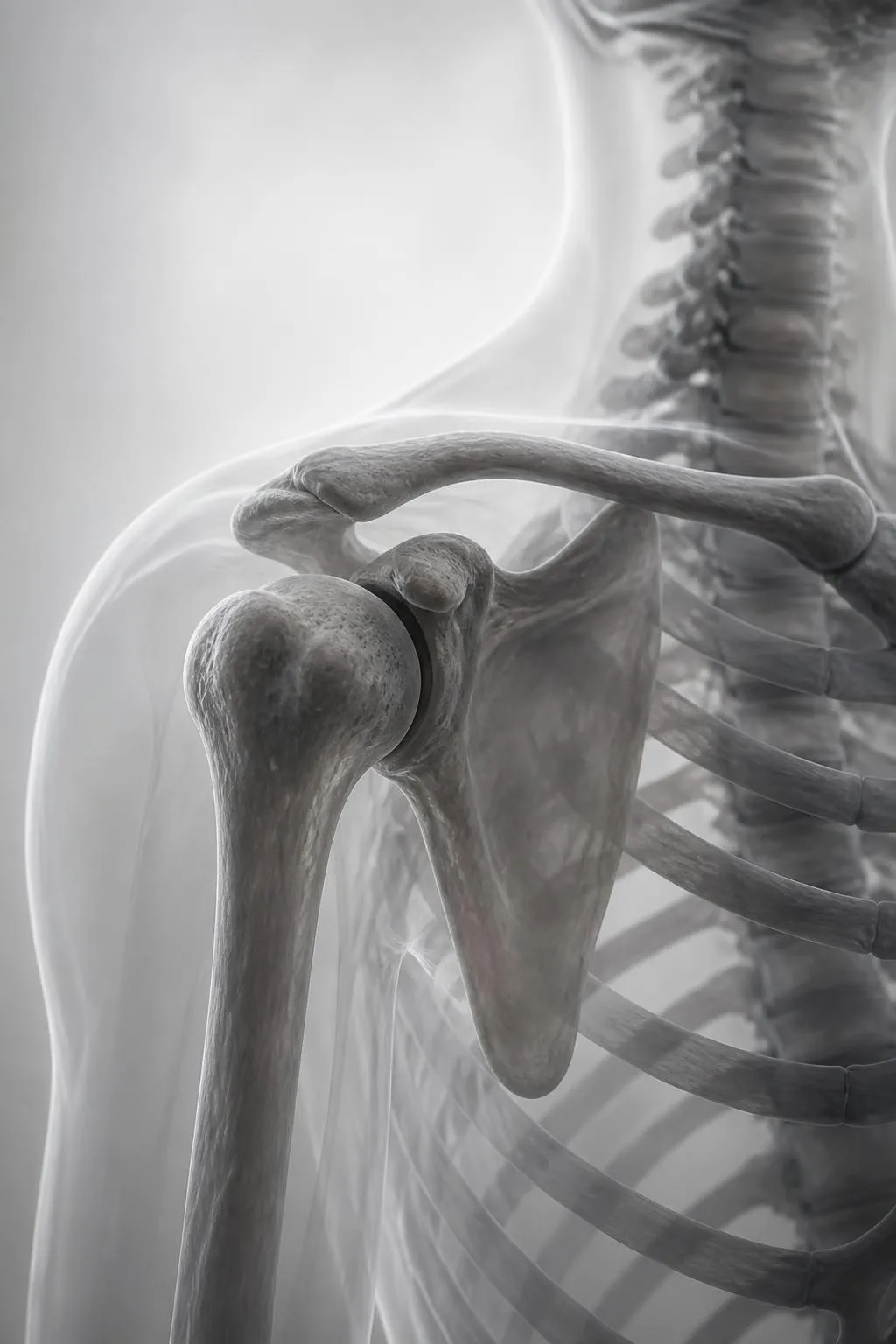
Care is selected for the injury—not every patient needs an injection. Depending on the diagnosis, Dr. Tortland may recommend rehabilitation guidance, activity and load modification, conservative care, diagnostic musculoskeletal ultrasound, or an image-guided procedure such as PRP, BMA, or MFAT when appropriate. He explains the alternatives, including the potential role and limitations of cortisone, and when a surgical opinion is the right next step.
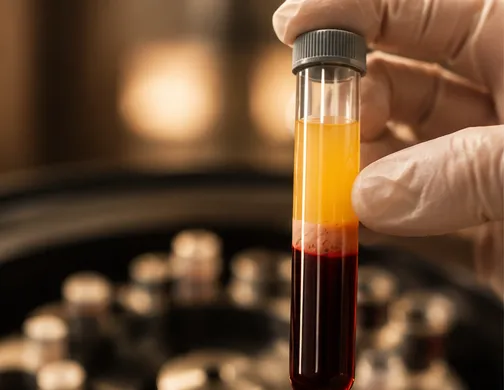
Platelet-Rich-Plasma (PRP) - Custom Concentrate
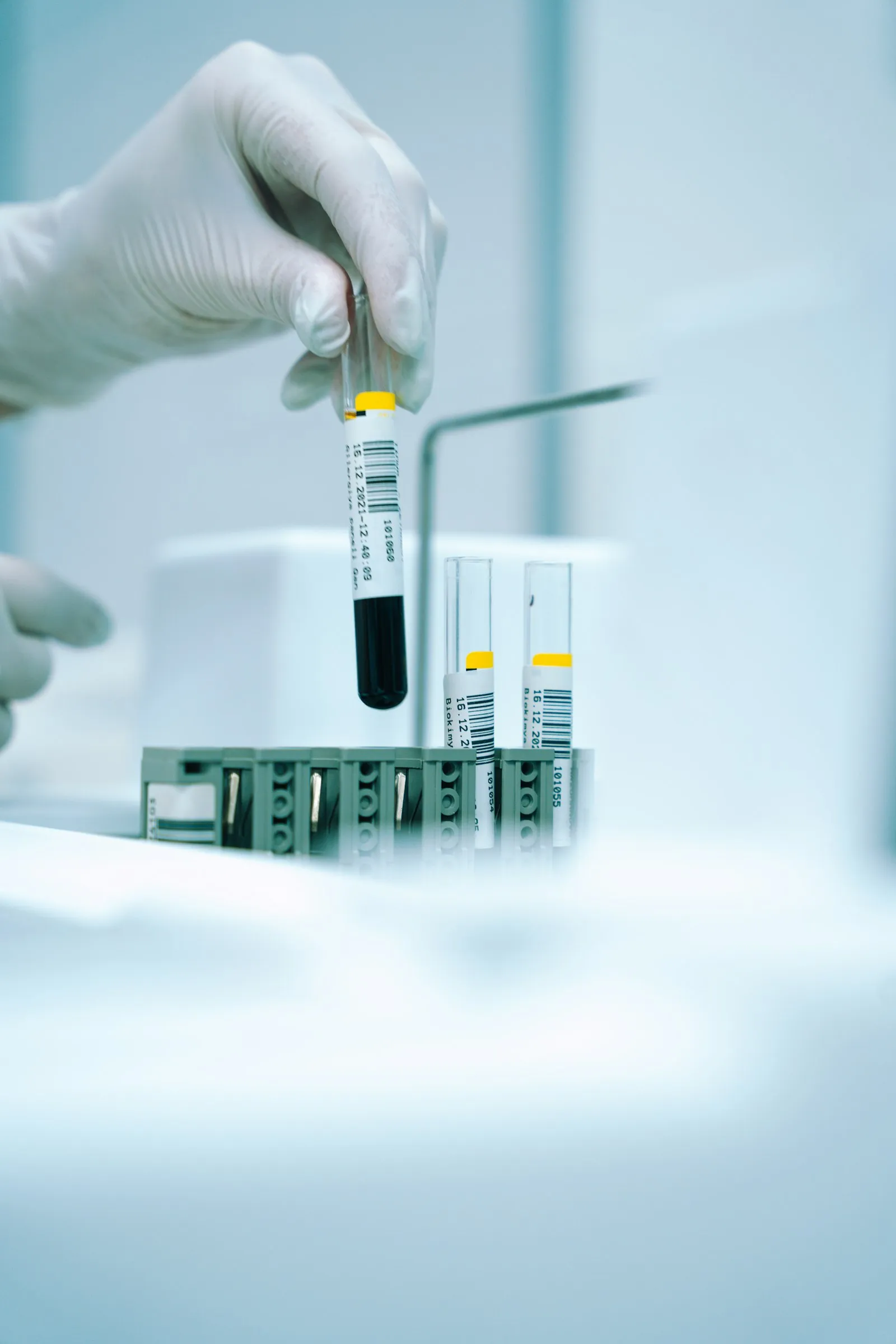
Your own platelets are concentrated, measured, and prepared according to an individualized protocol using a state-of-the-art labratory Cell Counter.
Explore Customized PRP Therapy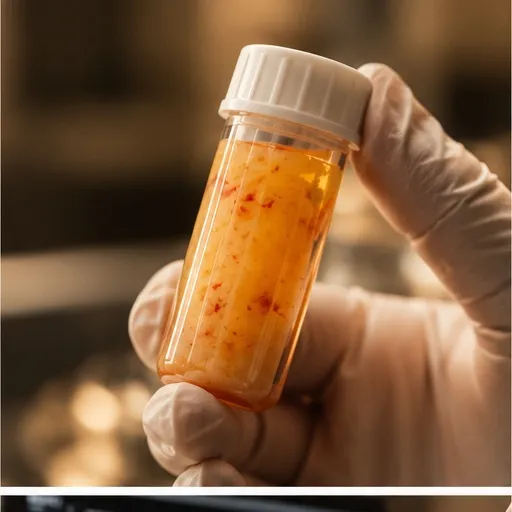
Cellular Orthobiologics
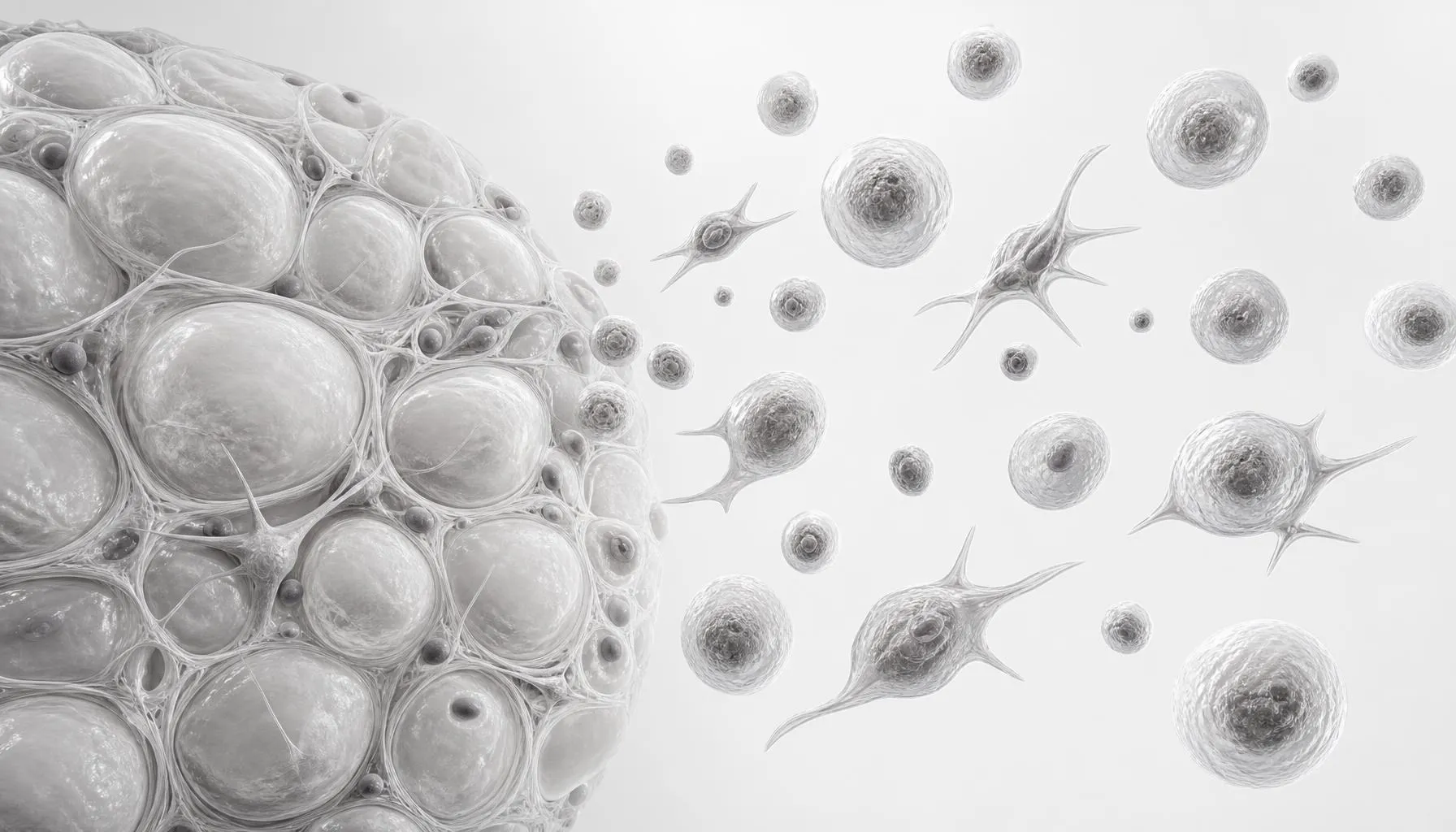
BMA uses concentrated bone marrow aspirate; MFAT uses processed adipose tissue. These procedures may be considered for selected musculoskeletal conditions after evaluation. Evidence, candidacy, risks, and limitations differ by treatment and diagnosis.
Explore Cellular Orthobiologics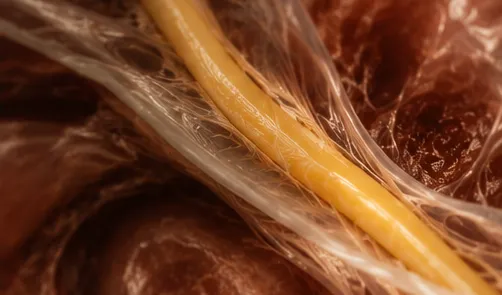
Nerve Hydrodissection
Ultrasound-guided fluid injection to free entrapped, irritated nerves and break up painful scar tissue.
Explore Nerve Hydrodissection
Prolotherapy & Prolozone Injections
Prolotherapy and Prolozone are injection-based approaches used in selected musculoskeletal conditions. Their proposed mechanisms and supporting evidence differ; Dr. Tortland discusses realistic expectations, alternatives, and limitations before recommending treatment.
Explore Prolotherapy & Prolozone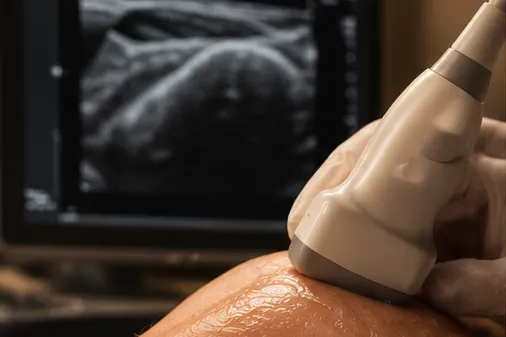
MSK Ultrasound Diagnostics
Diagnostic musculoskeletal ultrasound can help assess the structures that may be contributing to pain before a treatment is recommended.
Explore Diagnostic UltrasoundEvidence-Based. Research-Backed. Results-Focused.
Beyond cortisone: treating the cause
Evidence-first, surgery-last
Treatment decisions start with the diagnosis and the best available evidence for that condition. Non-surgical options are considered when appropriate; surgery is not the automatic first step, but it remains the right choice for some injuries and advanced joint disease.
Understand your options →Dose is measured, not assumed
PRP preparations can differ substantially. Dr. Tortland prepares PRP on-site and measures platelet concentration with a cell counter rather than relying only on the expected yield of a kit. His protocols may target 12–15 times baseline concentration or higher, depending on the preparation. Concentration is one characteristic—not a guarantee of clinical outcome.
How PRP is prepared →Diagnosis on live ultrasound
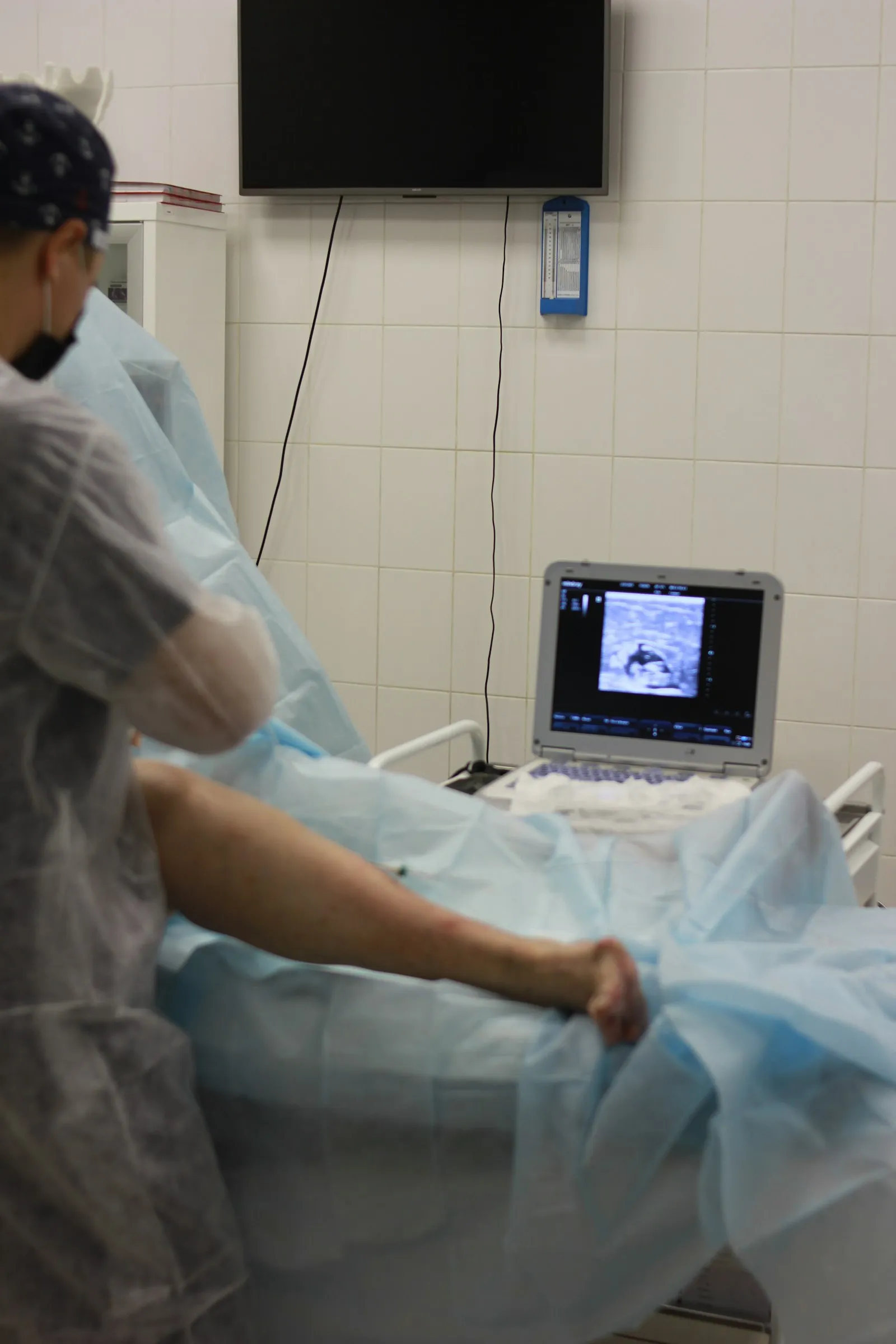
Initial evaluations are scheduled for at least an hour. When clinically appropriate, live musculoskeletal ultrasound can help assess the structures involved and inform treatment planning. Decisions consider the history, examination, imaging, goals, and evidence—not an MRI report or phone call alone.
Book an evaluation →Shared decision-making
Every plan considers the diagnosis, examination and imaging findings, your goals, and the potential benefits, risks and costs of available options. There is no one-size-fits-all protocol, and a procedure may not be recommended.
How Dr. Tortland Chooses Treatment →"Dr. Tortland has treated my knees with both PRP multiple times and stem cell therapy, and I've experienced meaningful improvement from both. He is incredibly knowledgeable, personable, and always takes the time to explain everything thoroughly. I trust him completely."
Laura D., patient · Knee osteoarthritis · PRP · Cellular Orthobiologics

Common questions
Frequently asked questions
What is the difference between PRP, BMA, and MFAT treatments?
Platelet-rich plasma (PRP) is prepared from a blood sample and emphasizes platelets and plasma. Bone marrow aspirate (BMA) is collected from the patient’s bone marrow, while microfragmented adipose tissue (MFAT) is prepared from the patient’s fat tissue. These are different autologous approaches, not interchangeable treatments. Their potential benefits, risks, evidence, and suitability vary by diagnosis, and none guarantees cartilage regrowth or replaces surgery for every condition.
Why is a diagnosis-first approach important in regenerative orthopedics?
Joint pain and sports injuries can have different causes that require different treatment. Dr. Tortland reviews the history, examination, and relevant imaging, using diagnostic musculoskeletal ultrasound when appropriate and image guidance for procedures when indicated. This helps determine whether rehabilitation, an orthobiologic treatment, another specialist, or surgery is the most appropriate option for the diagnosis and severity.
Does Dr. Paul Tortland personally perform all image-guided injections?
Yes. Dr. Paul Tortland personally evaluates patients and performs the image-guided injections he recommends at his Glastonbury, Connecticut, practice. He uses live musculoskeletal ultrasound and/or fluoroscopic (X-ray) guidance as appropriate to the anatomy and procedure. Image guidance helps him visualize anatomy and guide placement; it does not eliminate procedural risks.
What orthopedic conditions does Dr. Tortland treat in Glastonbury, CT?
Dr. Tortland evaluates persistent back and neck pain; osteoarthritis affecting the knee, hip, shoulder, hand, and foot; sports injuries; and tendon and ligament conditions. Depending on the diagnosis, care may include rehabilitation guidance, activity modification, diagnostic assessment, or image-guided procedures and orthobiologics when appropriate. Advanced arthritis, complete tears, or significant instability may require a surgical opinion.
Who is Dr. Paul Tortland?
Paul D. Tortland, DO, FAOASM, CAQSM, RMSK is a sports medicine and non-surgical orthopedics physician in Glastonbury, Connecticut, with more than 30 years of medical experience and PRP experience dating to 2007. He is dual board certified in Sports Medicine and Osteopathic Manipulative Medicine (OMM) and Regenerative Medicine, holds the RMSK musculoskeletal ultrasound credential, and became the first physician in the world to earn board certification in Regenerative Medicine in 2015 (Diplomate, American Board of Regenerative Medicine). He also teaches orthobiologic techniques to physicians.
What is regenerative orthopedics?
Regenerative orthopedics is a term used for approaches that include biologic preparations such as platelet-rich plasma (PRP), bone marrow aspirate (BMA), and microfragmented adipose tissue (MFAT) in selected musculoskeletal conditions. These procedures differ in preparation, evidence, risks, and limitations. They do not guarantee tissue regeneration or replace surgery for every condition. A clinical evaluation helps determine whether an option is reasonable for a specific diagnosis.
Is PRP or orthobiologic treatment better than surgery?
Neither PRP nor other orthobiologics are automatically better than surgery. The right option depends on the diagnosis, severity, examination and imaging findings, goals, and the evidence for that condition. Some patients may consider non-surgical care; others, such as those with end-stage joint damage, complete tears, or significant mechanical instability, may need a surgical opinion. Dr. Tortland discusses potential benefits, risks, limitations, and alternatives before treatment.
Is treatment covered by insurance?
Most orthobiologic procedures are not covered by United States insurers. Patients are provided detailed claim forms they can submit for potential reimbursement. Patients will always receive a "Good Faith Estimate" - part of the "No Surprises Act of 2022 - in advance to provide specific cost information.
Where is the office and do I need a referral?
The office is at 59 Sycamore Street, Suite 301, Glastonbury, CT 06033, open Monday through Friday, 9:00 a.m. to 5:00 p.m. No referral is required. Patients travel from across Connecticut, New England, out of state, and internationally. Telehealth record review is available for distant second opinions.
Can My Joint Pain Be Treated Without Surgery?
The first step is an evaluation—not a commitment to an injection. Bring prior imaging and discuss your symptoms, goals, and treatment options. When appropriate, diagnostic musculoskeletal ultrasound helps guide the assessment. No referral is required.