Non-surgical orthopedics · Glastonbury, CT · New England

 TMJ (Temporomandibular Joint) Disorders in Glastonbury, CT

TMJ jaw pain, clicking, locking and limited opening. Non-surgical regenerative orthopedics with Dr. Paul Tortland in Glastonbury, CT.

Last clinically reviewed

October 2026

Condition

What are TMJ disorders?

TMJ disorders cause jaw pain, clicking or locking, and can also cause ear, temple and headache pain. Because the jaw and neck work together, Dr. Paul Tortland, DO, evaluates both, including posture, neck movement and ligament support, before recommending care, and shares treatment with your dentist or oral surgeon when needed.

Patients travel from across New England for this combined jaw and neck evaluation. Injections are considered if pain lasts after conservative care.

Explore related conditions: Browse the Neck condition hub for related diagnoses and treatment options.

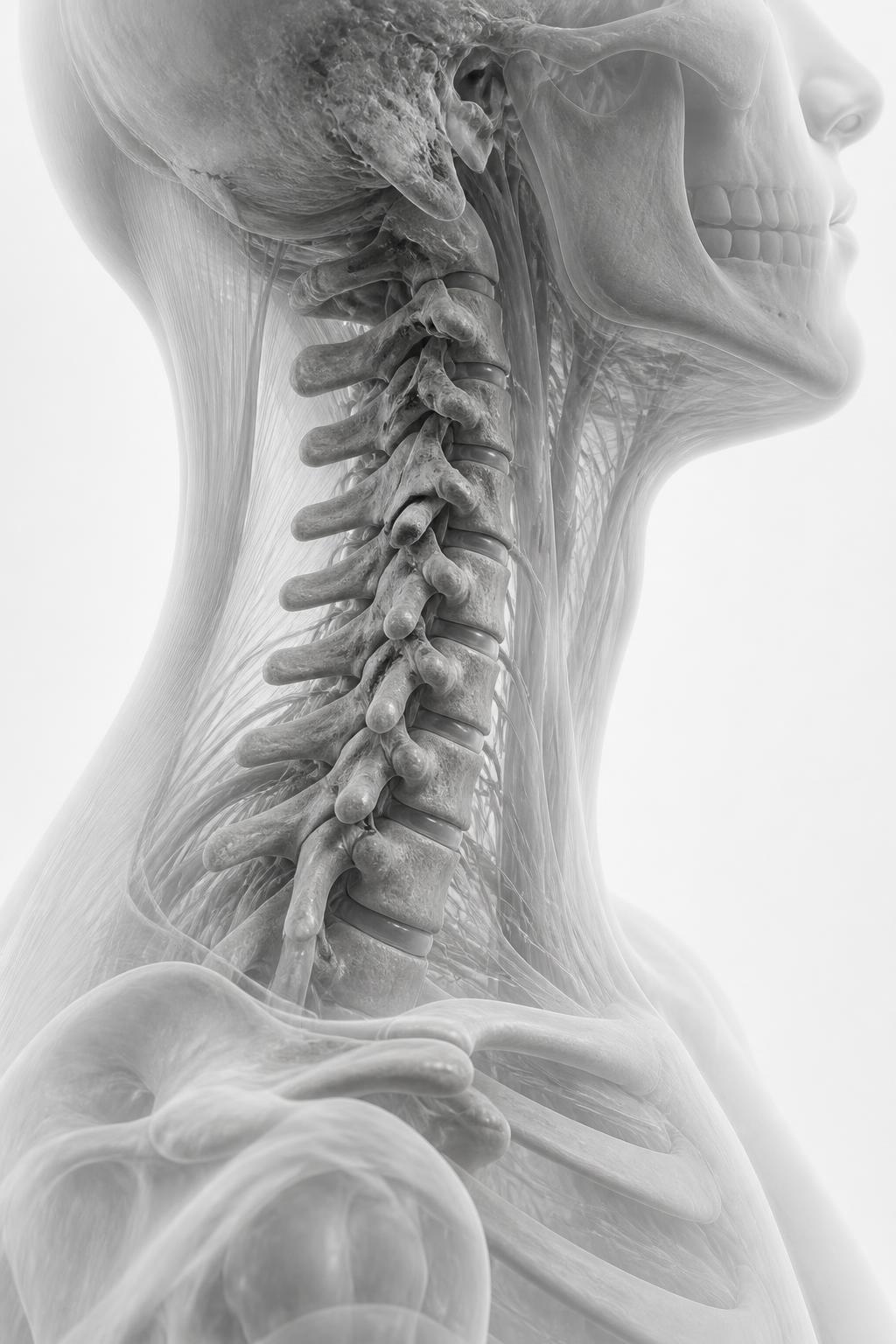
Anatomical illustration of the neck showing the cervical spine in profile

CARE OPTIONS

What are treatment options for TMJ disorders?

Dr. Tortland's treatment options: The pain source may be the jaw joint, its ligaments and capsule, the chewing muscles, or the upper neck. Dr. Tortland first sorts out which, and may send you to a dentist or oral surgeon instead. Evidence for injections in TMJ disorders is limited and results vary.

  • PRP for the jaw joint and its ligaments: made in the office from your own blood at a high concentration and placed around the TMJ by Dr. Tortland under live ultrasound. May be an option for pain that lasts after conservative care.
  • Prolotherapy or Prolozone for loose jaw joint ligaments: aimed at lax ligaments that let the joint move too much, in selected patients. Live ultrasound guides the injection. Research is limited, and he coordinates with your dentist.
  • PRP for neck contributors: the jaw and upper neck share muscles and nerves. When exam finds painful upper neck facet joints or loose neck ligaments, those can be treated with PRP or prolotherapy as well.

Physical therapy and traditional care: Initial care commonly includes a soft diet during flares, avoiding gum and clenching, jaw focused physical therapy, relaxation or habit strategies, and a dentist fitted stabilization splint when appropriate. Medication choices should be reviewed with a clinician.

When other care may be needed: Persistent locking, limited opening, major bite changes, swelling, or symptoms that do not fit a musculoskeletal pattern warrant dental, oral maxillofacial, or other specialist evaluation. Get prompt care if the jaw suddenly will not open or close, or facial swelling comes with fever.
Comparison

Compare your treatment options

Common care options for this condition, who each suits, and what to know
OptionBest forWhat to know
Jaw rest, therapy, dental guidanceJaw pain, clicking or locking, with neck posture considered too.Soft diet during flares, avoiding gum and clenching, jaw therapy, relaxation or habit strategies, and a dentist fitted splint when appropriate. Medication choices should be reviewed with a clinician.
PRP or prolotherapy for the jaw joint, PRP for neck contributorsPain that lasts after conservative care and careful diagnosis.Dr. Tortland guides each injection with live ultrasound and coordinates with your dentist or oral surgeon. Evidence is limited and results vary. He may recommend dental evaluation instead.
Dental or oral surgeon evaluationPersistent locking, limited opening, major bite changes, swelling, or symptoms that do not fit.These warrant dental, oral maxillofacial or other specialist evaluation. Get prompt care if the jaw suddenly will not open or close, or facial swelling comes with fever.

Common questions

Questions about TMJ disorders

What causes TMJ disorders?

TMJ problems can involve the jaw joint, its ligaments, the chewing muscles or nearby structures. Common contributors include injury, clenching or grinding, joint mechanics and neck-related muscle tension. Dental and medical evaluation can help rule out other causes of jaw or facial pain.

What are the symptoms of TMJ disorders?

Symptoms include jaw, face or ear pain, clicking, locking, trouble opening wide, and headaches. Get prompt medical care if your jaw suddenly will not open or close, or if you have facial swelling with fever.

Can my neck be causing my jaw pain?

Often it contributes. The jaw and upper neck share muscles and nerves, so forward head posture and neck stiffness can add to jaw pain, clicking and headaches. Dr. Tortland examines the jaw and neck together and uses ultrasound to look at the muscles and joint.

What can I do for TMJ pain before considering surgery?

Most people improve with jaw rest, targeted therapy, posture work and a dentist's guidance on bite and night guards. For pain that persists, Dr. Tortland offers PRP or prolotherapy around the jaw joint and ligaments, guided by live ultrasound. Research is limited and results vary. He coordinates with your dentist or oral surgeon.

Not sure which treatment fits your condition?

Patients travel from across New England to see Dr. Tortland in Glastonbury, CT. He reviews your imaging and history, examines you with ultrasound, and recommends the most appropriate non-surgical path forward, and he tells you plainly when a surgeon is the better choice.

Request a Consultation
Ask Dr. Tortland