Non-surgical orthopedics · Glastonbury, CT · New England

 Cervical Instability in Glastonbury, CT

Cervical instability: loose neck ligaments that scans can miss. Non-surgical regenerative orthopedics with Dr. Paul Tortland in Glastonbury, CT.

Last clinically reviewed

October 2026

Condition

What is cervical instability?

Cervical instability means the ligaments holding the neck bones together are too loose, which can make your neck feel weak, tired or wobbly, and it is more common after injury or in people with very flexible joints. Dr. Paul Tortland, DO, examines the neck carefully to tell instability apart from other causes of neck pain, dizziness or headaches.

Why the workup comes first: The spine is complicated, and scan findings often do not match what hurts. In a study of 1,211 adults with no neck symptoms, about 88 percent had a bulging disc on a neck MRI, including most people in their 20s. So the most important steps come before any treatment: listening closely to your symptoms, a hands-on exam, and, when appropriate, a diagnostic injection to confirm the true pain source.

Source: Nakashima H, et al. Abnormal findings on magnetic resonance images of the cervical spines in 1211 asymptomatic subjects. Spine. 2015;40(6):392-398. doi:10.1097/BRS.0000000000000775

Often the pain is in the support structures, not the disc: Disc problems can leave the tissues around them stretched, weak or unstable. These include the paraspinal and other neck muscles, the cervical facet ligaments, and the interspinous and supraspinous ligaments between the neck bones. In Dr. Tortland's experience, about 9 times out of 10, treating and strengthening these surrounding muscles and ligaments means the disc itself does not need treatment. That is why many patients can avoid invasive disc surgery.

Patients travel from across New England for this uncommon diagnosis. Dr. Tortland sees many people whose neck symptoms were missed or attributed to something else.

Explore related conditions: Browse the Neck condition hub for related diagnoses and treatment options.
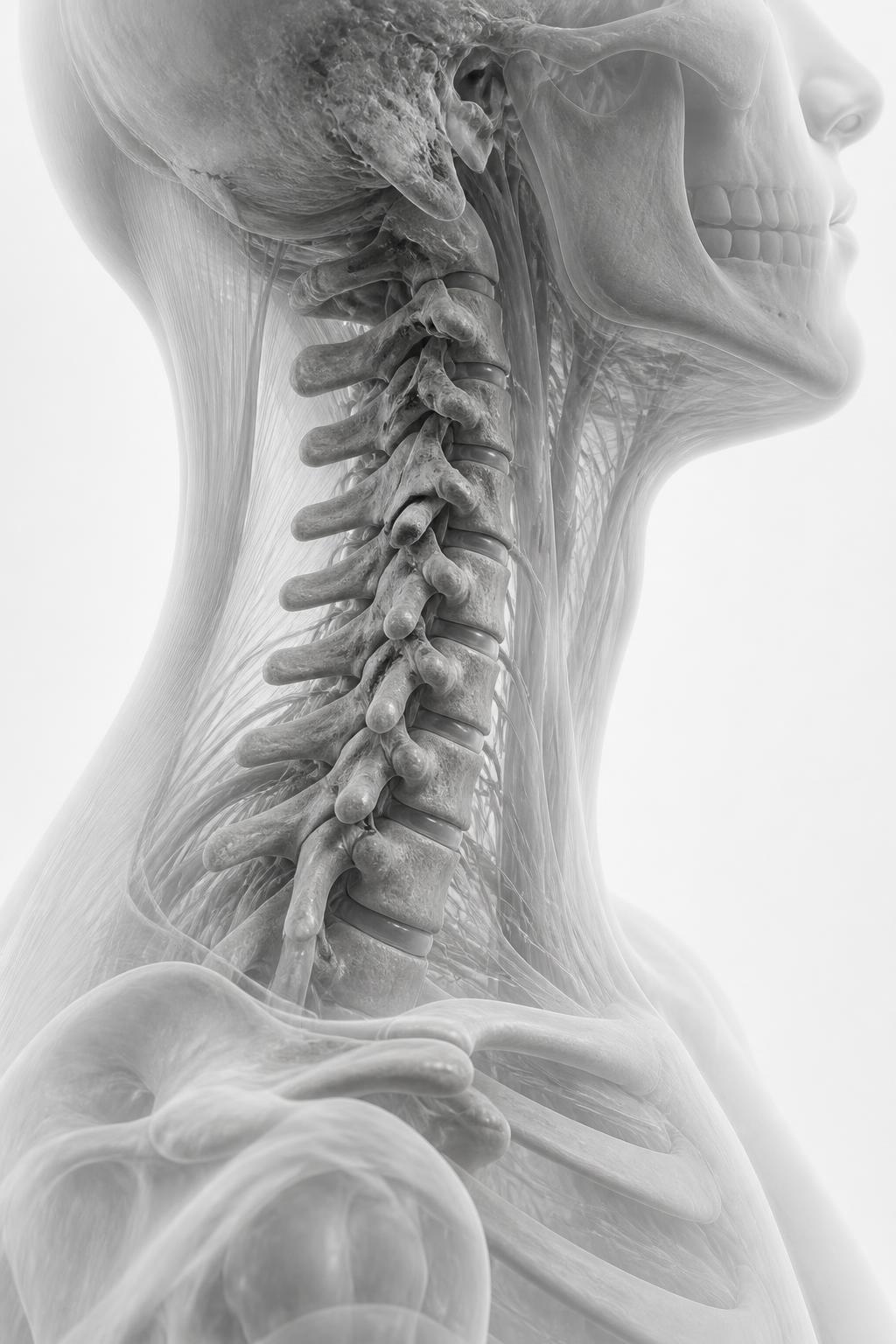
Anatomical illustration of the neck showing the cervical spine in profile

CARE OPTIONS

How is cervical instability treated?

Dr. Tortland's treatment options: The pain source is usually loose neck ligaments and the joints they hold together. Dr. Tortland starts with your symptoms, then your exam and ultrasound, with imaging as one piece of the puzzle, to tell true instability from another neck problem, or both. Evidence for injections is limited, and they do not replace strengthening.

  • Test injection first: before any PRP or prolotherapy, Dr. Tortland places a diagnostic injection, mostly numbing agent, under ultrasound guidance in the office. It shows whether the neck ligaments and facet joints are the pain generator or something else is involved.
  • Prolotherapy or Prolozone: aimed at stretched, lax neck ligaments in selected patients. The goal is to support the ligaments that hold the neck segments together. Live ultrasound guides the injection. Research is limited and results vary.
  • PRP: made in the office from your own blood at a high concentration and placed along the cervical ligaments and joint capsules under live ultrasound. Like prolotherapy, it helps strengthen and stabilize the cervical ligaments, not only calm inflammation.
  • PRP for coexisting neck facet joint pain: the small joints at the back of the neck can hurt alongside loose ligaments. When the test injection and exam point to them, PRP can be aimed at those joints as well. Evidence is still developing.

Physical therapy and traditional care: A clinician directed program may emphasize gentle neck stabilization, posture, activity changes, and avoiding movements that aggravate symptoms. Exercises should be tailored to the diagnosis rather than started aggressively on your own.

When other care may be needed: Suspected instability warrants a medical assessment and sometimes a spine specialist review. New or worsening weakness, difficulty walking, loss of coordination, or bowel or bladder changes needs urgent assessment.

Comparison

Compare your treatment options

Common care options for this condition, who each suits, and what to know
OptionBest forWhat to know
Clinician directed neck stabilizationA neck that feels weak, tired or wobbly, once instability is told apart from other causes.Gentle stabilization, posture and activity changes tailored to the diagnosis. Exercises should not be started aggressively on your own. Bracing may be used short term when a clinician recommends it.
Prolotherapy or Prolozone for loose ligaments, PRP for ligaments and facet jointsCarefully selected ligament related neck pain that continues despite rehab.Dr. Tortland starts with a test injection under ultrasound, then guides each treatment with live ultrasound. PRP is made from your own blood at a concentration matched to your platelet count. Research is limited, results vary, and strengthening stays central.
Spine specialist reviewSuspected instability needing more assessment, or new or worsening weakness, trouble walking or loss of coordination.Bowel or bladder changes, new weakness and trouble walking need urgent assessment. Dr. Tortland refers to a spine surgeon when your findings call for it.

Common questions

Questions about cervical instability

What is cervical instability?

Cervical instability means the ligaments and joints in your neck allow more movement than your spine can control. It can follow an injury or come with loose connective tissue. It may cause neck pain, a heavy or wobbly feeling, headaches or dizziness.

What are the symptoms of cervical instability?

People describe a neck that feels loose or tired and has trouble holding up the head. Neck pain, headaches, dizziness and tingling in the arm can also happen. These signs overlap with other neck problems, so a specialist should examine you before anyone assumes it is instability.

What are the symptoms of cervical instability that get missed?

Besides neck pain, people report a heavy head, neck fatigue, headaches, dizziness, and sometimes racing heart or lightheadedness when standing. These overlap with many conditions, so they are often missed. Dr. Tortland examines neck movement and ligament support, reviews imaging himself and uses ultrasound to check the surrounding structures.

Can PRP or prolotherapy help a loose neck?

They may help support loose neck ligaments in selected people. Dr. Tortland guides the injection with live ultrasound, makes PRP from your own blood at a concentration matched to your platelet count, and is clear that research is limited and results vary. Strengthening and protecting the neck remain central.

Not sure which treatment fits your condition?

Patients travel from across New England to see Dr. Tortland in Glastonbury, CT. He reviews your imaging and history, examines you with ultrasound, and recommends the most appropriate non-surgical path forward, and he tells you plainly when a surgeon is the better choice.

Request a Consultation
Ask Dr. Tortland