Dr. Tortland's treatment options: These options do not treat the underlying connective tissue condition. They target a specific painful joint or loose ligament that Dr. Tortland has identified as the pain source. Evidence for broad use in EDS is limited, and results vary.
- Prolotherapy or Prolozone for loose ligaments: aimed at a specific lax ligament that lets a joint move past its stable range and keeps getting irritated. Live ultrasound guides the injection. It may be an option for selected patients.
- PRP for a painful joint or tendon: made in the office from your own blood at a high concentration and placed into a clearly identified pain source by Dr. Tortland under live ultrasound. Research is limited and results vary.
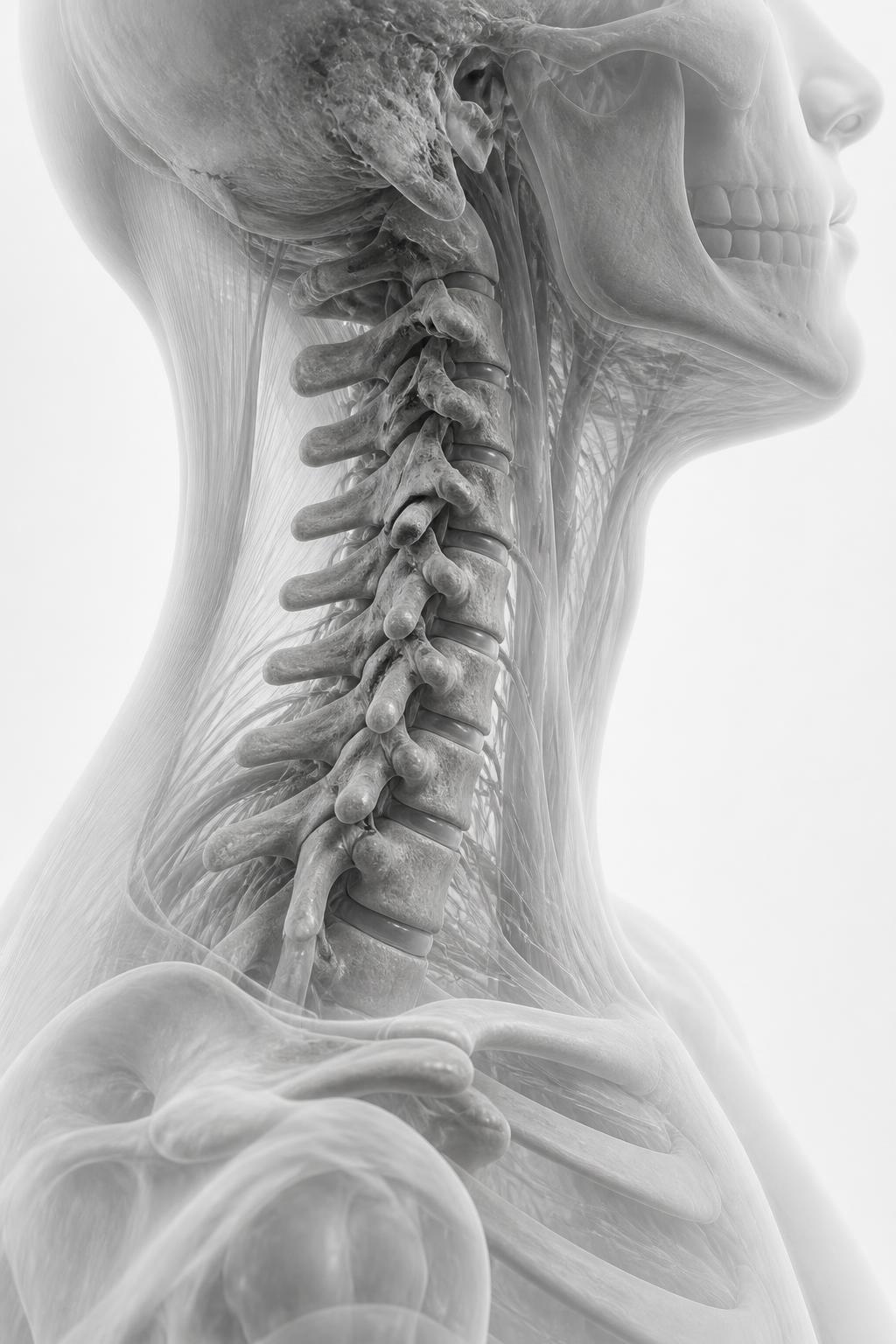
- PRP or prolotherapy for the neck and jaw: when a loose neck or jaw is the pain source, those ligaments and joints can be targeted the same way. People with hypermobility are evaluated for the whole pattern first.
Physical therapy and traditional care: Care usually emphasizes individualized physical therapy for joint stability, strength, proprioception and pacing, plus joint protection and practical activity changes, and bracing when a clinician recommends it. Exercise should progress gradually and avoid repeatedly pushing joints to end range.
When other care may be needed: Diagnosis and care may benefit from coordination with clinicians familiar with hypermobility or EDS. New neurologic symptoms, dislocations, or unusual systemic symptoms need appropriate medical assessment. Chest pain, fainting or sudden severe symptoms need urgent care.