Where to See Dr. Tortland in Connecticut
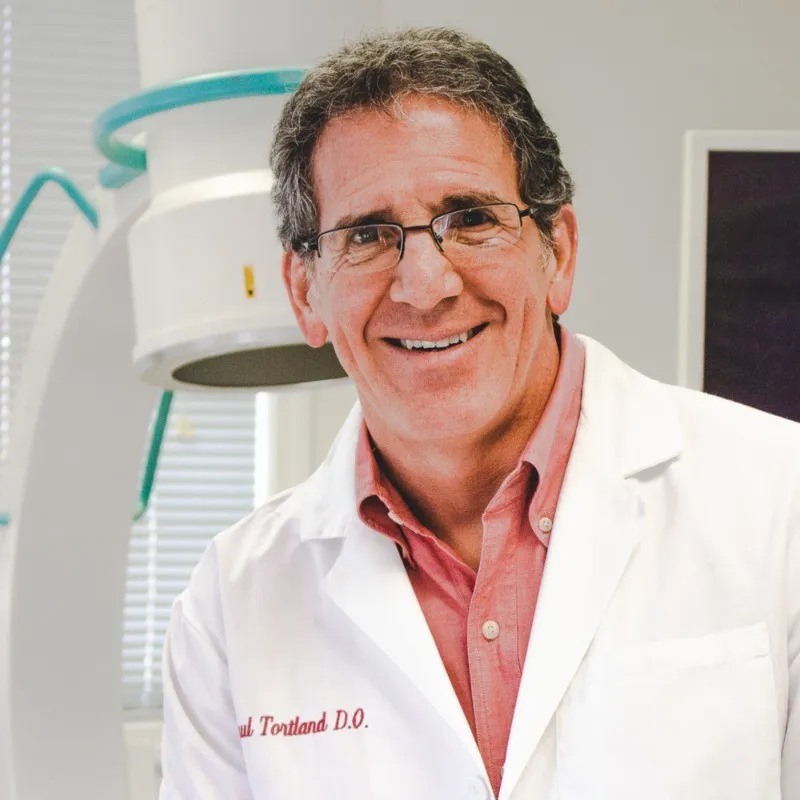
Dr. Paul Tortland, DO provides comprehensive orthopedic evaluations for patients at his Glastonbury, CT office. The practice sees patients from Glastonbury, Hartford, West Hartford, Farmington, Simsbury, South Windsor, and other Connecticut and New England communities.
📍 59 Sycamore Street, Suite 301, Glastonbury, CT 06033 — Get directions
📞 (860) 430-2821
Learn more about Dr. Tortland · Request an evaluation
Legitimate stem cell therapy for arthritis, meaning your own bone marrow or fat-derived cells (BMAC or MFAT), has real but modest evidence behind it: short-to-mid-term pain relief and function improvement, with some studies suggesting it may delay total knee replacement. It is not proven to reliably regrow cartilage, and it isn't the biggest hype problem in this space. The bigger problem is separate: many clinics sell umbilical cord, amniotic, and exosome products marketed as 'stem cells' that are not FDA-approved and, according to independent laboratory testing, often contain no living cells at all. Here's how to tell the real version from the marketed one.
What Legitimate Stem Cell Therapy Actually Is
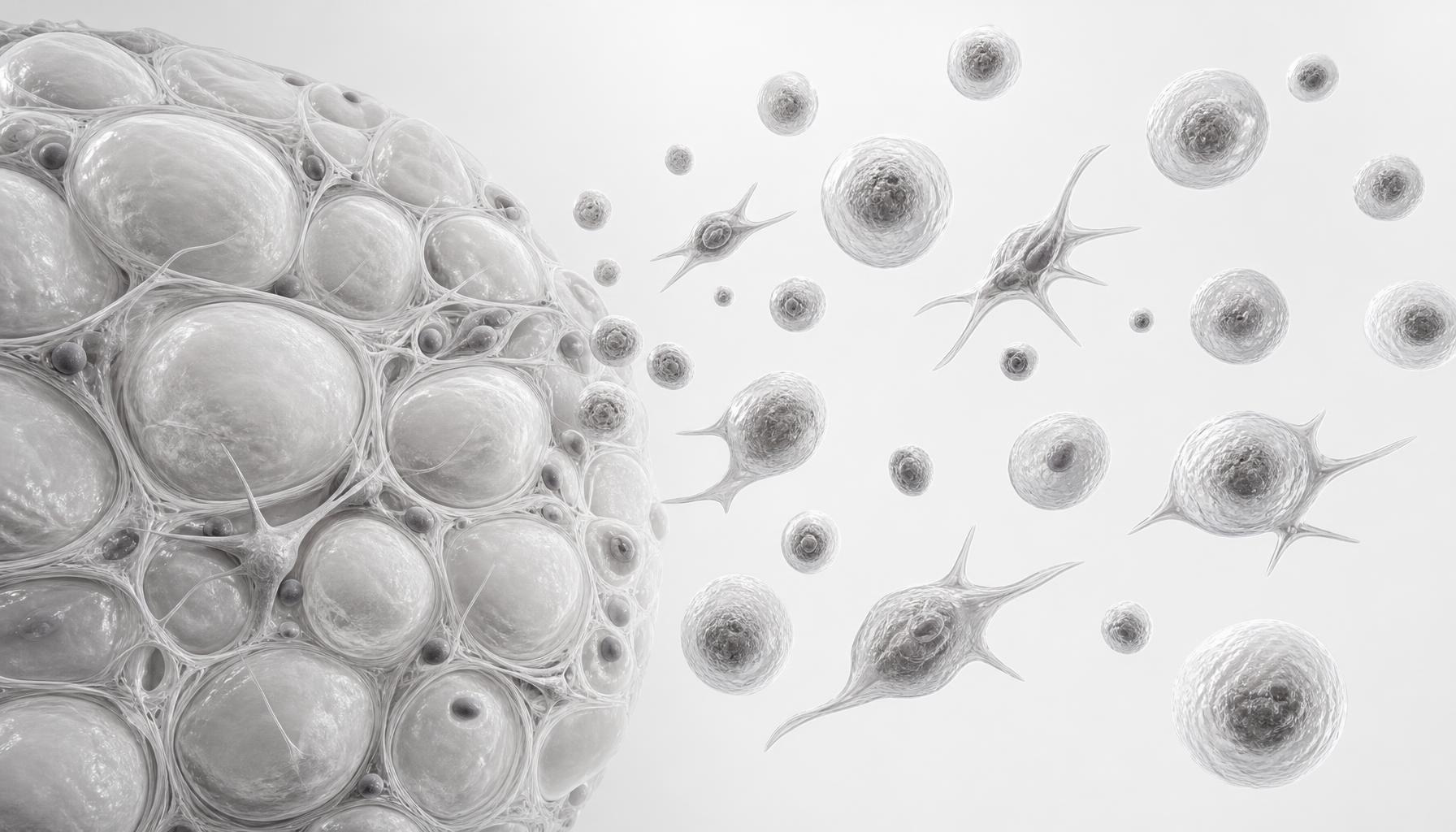
In a legitimate, FDA-compliant practice, stem cell therapy for arthritis means bone marrow aspirate concentrate (BMAC) or microfragmented adipose tissue (MFAT), cells harvested from your own body, minimally processed, and re-injected in the same procedure. Because the cells are autologous (your own) and minimally manipulated, this falls under an FDA regulatory exception (21 CFR Part 1271) rather than requiring separate drug approval, as long as the same-surgical-procedure and homologous-use requirements are followed.
This is a meaningfully different product than what's sold at many regenerative medicine clinics: donor-derived umbilical cord blood, amniotic fluid, placental tissue, or 'exosome' products that are not your own cells at all.
The Hope: What the Evidence Actually Shows
A 2025 narrative review in Medicina found that BMAC, rich in mesenchymal stem cells and growth factors, provides short- to mid-term symptomatic relief and functional improvement for knee osteoarthritis, with some studies indicating a potential to delay total knee replacement. A separate 2025 expert opinion in the Journal of Orthopaedic Surgery and Research described BMAC as a valuable source of mesenchymal stem cells with potential benefit in attenuating the inflammatory pathway of knee OA.
A prospective comparative trial of 102 patients found both BMAC and adipose-derived stem cells produced clinical and functional improvement in knee osteoarthritis, with broadly similar outcomes between the two cell sources. A 4-year follow-up study of BMAC in more severe (Kellgren-Lawrence grade III and IV) knee osteoarthritis found better outcomes than hyaluronic acid, in a population many providers would otherwise steer straight toward joint replacement.
The Honest Caveat
Even the most favorable reviews are careful with their language. A 2025 review in Frontiers/PMC literature put it plainly: BMAC has gained acceptance as a safe orthobiologic for osteoarthritis, despite lacking robust supporting evidence, and confirming its unequivocal efficacy remains limited. Variability in preparation methods, cell counts, injection protocols, and how outcomes are measured makes it difficult to say precisely how much benefit to expect, or how long it lasts, for any individual patient. This is real medicine with real but still-developing evidence, not a guaranteed cure.
The Hype: What's Actually Being Sold at Many Clinics
This is where most of the exaggerated marketing in 'stem cell therapy' actually lives, and it has little to do with BMAC or MFAT. A large and growing number of clinics market umbilical cord blood, Wharton's jelly, amniotic fluid, placental tissue, and 'exosome' injections as stem cell treatments. These are donor-derived products, not your own cells, and the FDA has been explicit: manufacturing or marketing these products as containing living, therapeutic stem cells for conditions like arthritis is, in the FDA's own words, illegal without drug approval that essentially none of these products have.
Independent laboratory testing, including work referenced in multiple peer-reviewed and regulatory sources, has repeatedly found that many commercially sold umbilical cord and amniotic 'stem cell' products contain little to no living, viable stem cells, despite the marketing. In 2025, the FDA issued a warning letter to one manufacturer, Stemell, for distributing unapproved umbilical cord blood products with documented manufacturing and safety deficiencies. That same year, the FTC obtained permanent bans and over $5.1 million in penalties against the founders of a stem cell clinic network for deceptive marketing. The Ninth Circuit separately affirmed FDA authority to regulate these products as drugs in 2024.
None of this means every regenerative treatment is fraudulent, BMAC and MFAT, your own cells, are real and regulated differently. But 'stem cell therapy' has become a marketing umbrella broad enough to cover both a legitimate, evidence-informed procedure and a product that may contain no living cells whatsoever. The label alone doesn't tell you which one you're being offered.
Who May Be a Good Candidate for BMAC or MFAT
Patients with mild-to-moderate knee or hip osteoarthritis who haven't gotten sufficient relief from PRP, physical therapy, or activity modification are the strongest candidates for cellular orthobiologic treatment. It's also sometimes used in more advanced arthritis for patients hoping to delay or avoid joint replacement, understanding that the evidence there is less robust.
Limitations: What Stem Cell Therapy Does Not Do
- It does not reliably regrow cartilage. Despite the term 'regenerative medicine,' no high-quality human evidence confirms consistent cartilage regeneration from BMAC or MFAT alone.
- It is not a substitute for surgery when surgery is genuinely the better option, particularly in severe, bone-on-bone arthritis with mechanical symptoms.
- Results and duration of benefit vary, and are not guaranteed; most positive studies measure outcomes over months, not years.
- Only autologous, minimally manipulated cells (your own BMAC or MFAT) fall under the FDA's regulatory exception, donor-derived umbilical cord, amniotic, or exosome products marketed as 'stem cells' generally do not, and many are unapproved.
- Candidacy requires a real evaluation, imaging, physical exam, and an honest look at how advanced the arthritis is, not a marketing brochure.
Dr. Tortland's Perspective
"I only use a patient's own bone marrow or fat-derived cells, harvested and processed in the same visit, never a donor product bought from a supplier and marketed as 'stem cells,'" says Dr. Tortland. "Patients ask me constantly whether stem cells will regrow their cartilage. The honest answer is that the evidence doesn't support that claim, what the evidence does support is meaningful pain relief and function improvement for the right patient, at the right stage of arthritis. If a clinic is promising cartilage regrowth from a vial of donor cells, that's a red flag. Every patient is a unique situation with a unique diagnosis, and requires that unique treatment."
For patients with more advanced arthritis, cellular orthobiologic treatment (BMAC or MFAT) is often followed by a PRP procedure 4 to 6 weeks later as part of a staged approach, and then a routine / annual PRP treatment to help maintain the relief and mobility.
Next Step
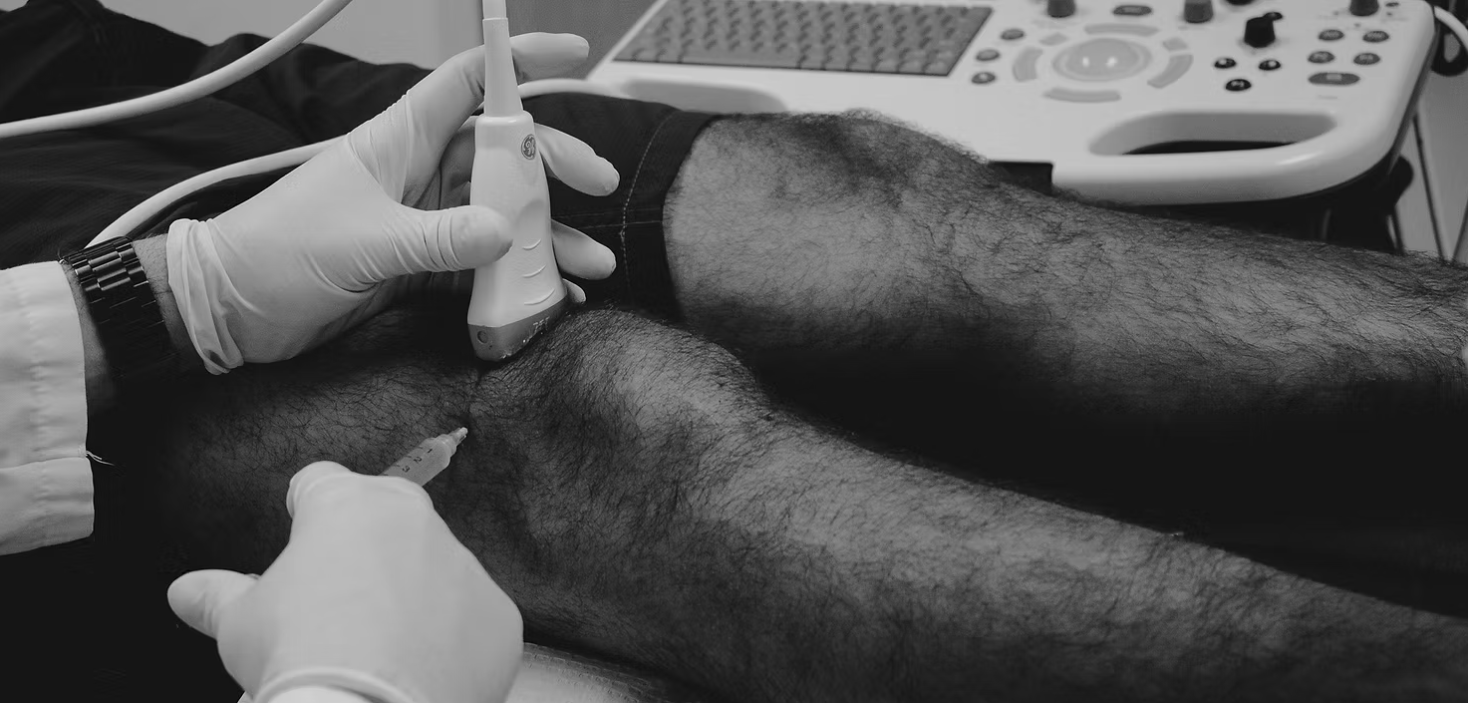
If you're considering stem cell therapy for arthritis, from anyone, ask directly whether the cells are your own or a donor product, and ask to see how candidacy is actually determined, Dr. Paul Tortland, DO is accepting new patients in Glastonbury, CT area. Contact our office to schedule a comprehensive evaluation, including same-visit diagnostic ultrasound, for an honest answer about your specific conditions, and see if stem cell treatment, or any other non-surgical regenerative orthopedic treatment, may be an option for you.
About the Author
Dr. Paul Tortland, DO is a dual-board-certified, Fellowship trained physician specializing in non-surgical orthobiologics / regenerative orthopedics in the Hartford County, CT area. He is the first physician in the world to be board-certified in Regenerative Medicine, and the first physician in New England to perform PRP and BMAC /MFAT stem cell orthobiologic treatments since 2007. Dr. Tortland is especially committed to patient education, patient advocacy, and evidence-based orthopedic treatment.