Non-surgical orthopedics · Glastonbury, CT · New England

 Sciatica (Lumbar Radiculopathy) in Glastonbury, CT

Sciatica: back pain or tingling that travels into the leg. Non-surgical regenerative orthopedics with Dr. Paul Tortland in Glastonbury, CT.

Last clinically reviewed

October 2026

Condition

What is sciatica from lumbar radiculopathy?

Sciatica is pain, tingling or numbness that runs from the low back or buttock down the leg, often from an irritated nerve root in the spine but sometimes from a trapped nerve in the buttock or hip. Dr. Paul Tortland, DO, finds the true source with an exam and ultrasound before choosing a treatment.

Why the workup comes first: The spine is complicated, and scan findings often do not match what hurts. In a review of 3,110 people with no back pain, disc wear showed up in 37 percent of people in their 20s and 96 percent of people in their 80s. So the most important steps come before any treatment: listening closely to your symptoms, a hands-on exam, and, when appropriate, a diagnostic injection to confirm the true pain source.

Source: Brinjikji W, et al. Systematic literature review of imaging features of spinal degeneration in asymptomatic populations. AJNR Am J Neuroradiol. 2015;36(4):811-816. doi:10.3174/ajnr.A4173

Often the pain is in the support structures, not the disc: Disc problems can leave the tissues around them stretched, weak or unstable. These include the paraspinal muscles, the lumbar facet ligaments, the SI ligaments, and the interspinous and supraspinous ligaments between the spine bones. In Dr. Tortland's experience, about 9 times out of 10, treating and strengthening these surrounding muscles and ligaments means the disc itself does not need treatment. That is why many patients can avoid invasive disc surgery such as a discectomy, laminectomy or spinal fusion.

Most people improve with rehabilitation. Patients travel from across New England for this second look. New leg weakness, saddle numbness or loss of bladder or bowel control needs emergency care.

Explore related conditions: Browse the Back and spine condition hub for related diagnoses and treatment options.
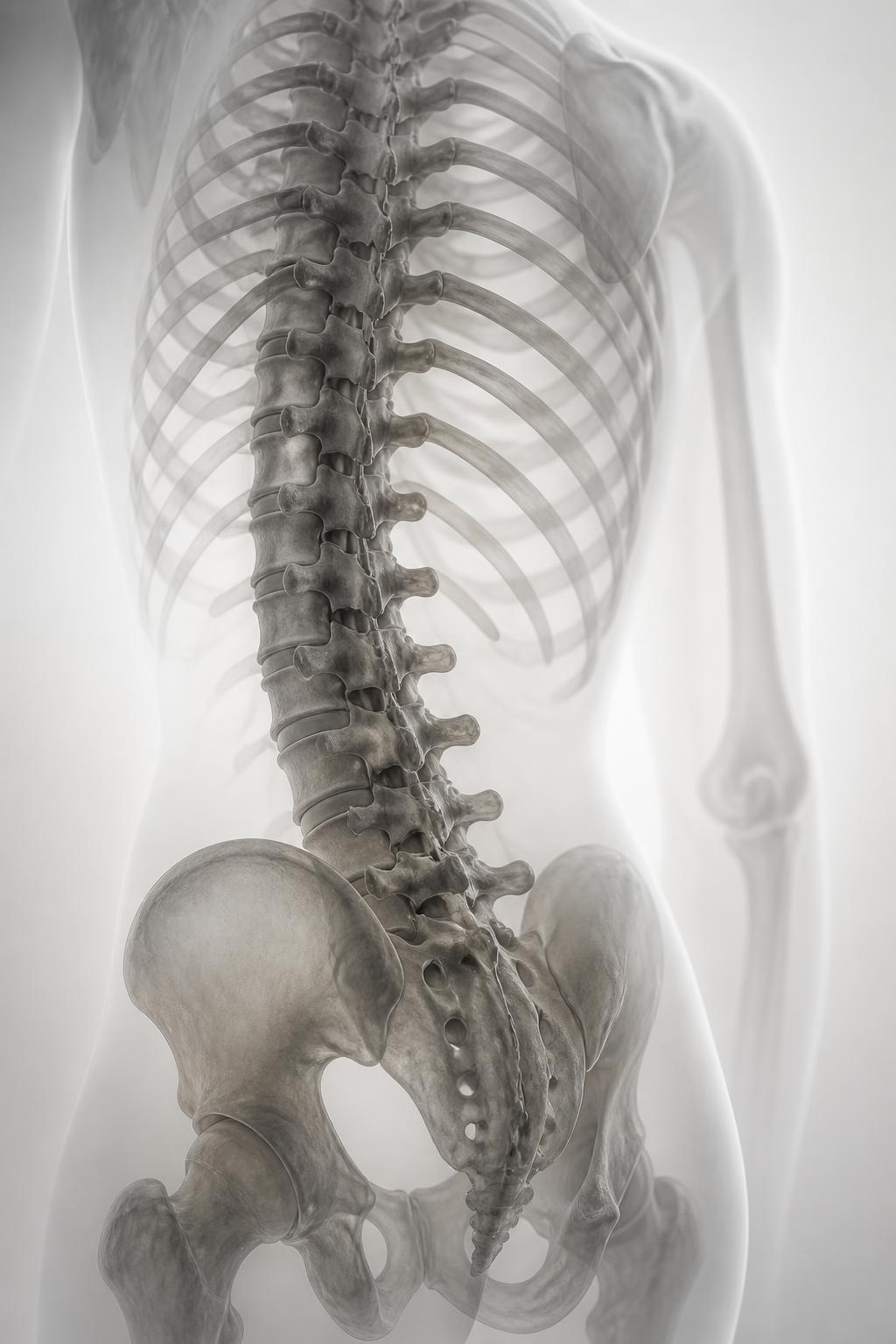
Anatomical illustration of the spine and rib cage seen from behind, down to the pelvis

CARE OPTIONS

How is sciatica treated?

Dr. Tortland's treatment options: Sciatica is leg pain along the sciatic nerve path, and it has two common sources: a lumbar disc or nerve root problem at the spine, or a nerve trapped in the buttock or hip. Dr. Tortland starts with your symptoms, then your exam and ultrasound, with the MRI as one piece of the puzzle, because each source is treated differently.

MRI of the spine that Dr. Tortland uses to explain why back MRI findings often do not match the source of pain
MRI findings versus symptoms: in Dr. Tortland's clinical experience, back MRI findings often do not match what is actually causing the pain.
  • Test injection first: Dr. Tortland places a diagnostic injection, mostly numbing agent, under ultrasound guidance in the office to learn whether the facet joints, their ligaments or the SI joint ligaments are sending pain into the leg, or whether the nerve itself is the source.
  • Intradiscal PRP: for selected patients whose sciatica is driven by a ruptured disc or annular tear, PRP may be placed into the disc, typically under fluoroscopic (x-ray) guidance, in the office by Dr. Tortland. Evidence is early and results vary.
  • Ultrasound guided nerve hydrodissection: when a nerve is trapped in the buttock or hip rather than at the spine, live ultrasound guides fluid around the nerve and the tendons, ligaments and fascia around it. It does not treat nerve root compression.
  • PRP for facet joints, ligaments and the SI joint: these structures can refer pain into the buttock and leg and mimic sciatica. When confirmed, PRP under live ultrasound helps strengthen and stabilize the facet joint, SI joint and paraspinal ligaments, like prolotherapy.

Physical therapy and traditional care: Physical therapy, gradual movement, activity changes and medication when medically appropriate are common first steps. A clinician may recommend imaging or other testing if symptoms persist, deficits appear, or the diagnosis is uncertain.

When other care may be needed: New or progressive leg weakness, saddle numbness, or loss of bladder or bowel control needs emergency evaluation. Severe pain that does not improve may call for a spine surgeon, and Dr. Tortland refers you when that point is reached.

Comparison

Compare your treatment options

Common care options for this condition, who each suits, and what to know
OptionBest forWhat to know
Rehabilitation and activity changesMost people early on, since most sciatica settles over weeks to months.Physical therapy, gradual movement, activity changes and medication when appropriate. Imaging or other testing may be recommended if symptoms persist, deficits appear or the diagnosis is uncertain.
Intradiscal PRP, nerve hydrodissection, or PRP for facet joints and SI ligamentsDisc driven sciatica in selected patients, a nerve trapped in the buttock or hip, or joints and ligaments that mimic sciatica.Dr. Tortland finds the true source first with exam, ultrasound and a test injection. Intradiscal PRP is typically done under x-ray guidance and has early evidence. Hydrodissection does not treat nerve root compression at the spine.
Spine surgeon or emergency careNew or worsening leg weakness, saddle numbness, bladder or bowel loss, or severe pain not improving.Weakness, saddle numbness or bladder or bowel loss needs emergency evaluation. Dr. Tortland says plainly if a spine surgeon should see you and refers you.

Common questions

Questions about sciatica

What causes sciatica?

Sciatica is usually caused by irritation or compression of a lumbar nerve root, often from a disc herniation, spinal narrowing, or joint changes. Muscle tightness around the sciatic nerve can also contribute. A physical exam and imaging help identify the source.

What are the symptoms of sciatica?

Typical symptoms include pain, tingling, or numbness running from the low back or buttock down the leg, sometimes with weakness. It often worsens with sitting, bending, or coughing. Sudden leg weakness or loss of bladder or bowel control needs emergency care.

What treatment options does Dr. Tortland offer for sciatica?

It depends on the source. After a test injection and exam, Dr. Tortland may offer PRP for facet joints and ligaments that mimic sciatica, intradiscal PRP, typically under x-ray guidance, for disc driven sciatica, or hydrodissection if a nerve is trapped in the buttock or hip. Evidence is early. Rehab comes first, and he refers you to a spine surgeon for progressive weakness.

Do I need surgery for sciatica?

Usually not at first. Most sciatica settles with rehabilitation over weeks to months. Surgery is for progressive weakness, loss of bladder or bowel control, or severe pain that does not improve. Dr. Tortland tells you plainly if a spine surgeon should see you, and checks for other pain sources first.

Not sure which treatment fits your condition?

Patients travel from across New England to see Dr. Tortland in Glastonbury, CT. He reviews your imaging and history, examines you with ultrasound, and recommends the most appropriate non-surgical path forward, and he tells you plainly when a surgeon is the better choice.

Request a Consultation
Ask Dr. Tortland