Where to See Dr. Tortland in Connecticut
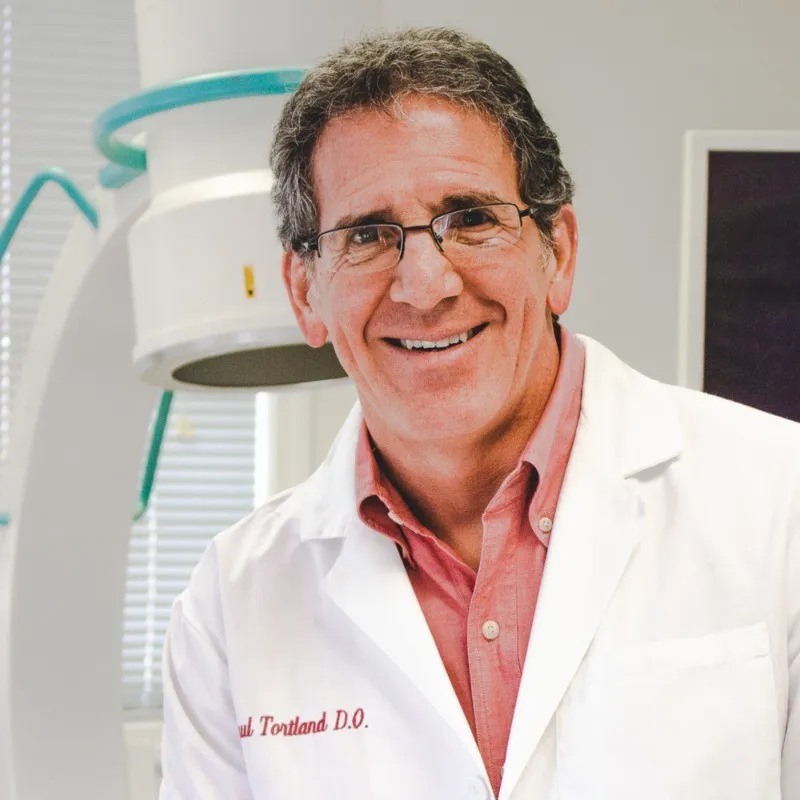
Dr. Paul Tortland, DO provides comprehensive orthopedic evaluations for patients at his Glastonbury, CT office. The practice sees patients from Glastonbury, Hartford, West Hartford, Farmington, Simsbury, South Windsor, and other Connecticut and New England communities.
📍 59 Sycamore Street, Suite 301, Glastonbury, CT 06033 — Get directions
📞 (860) 430-2821
Learn more about Dr. Tortland · Request an evaluation
An Active Town Creates a Predictable Set of Injuries
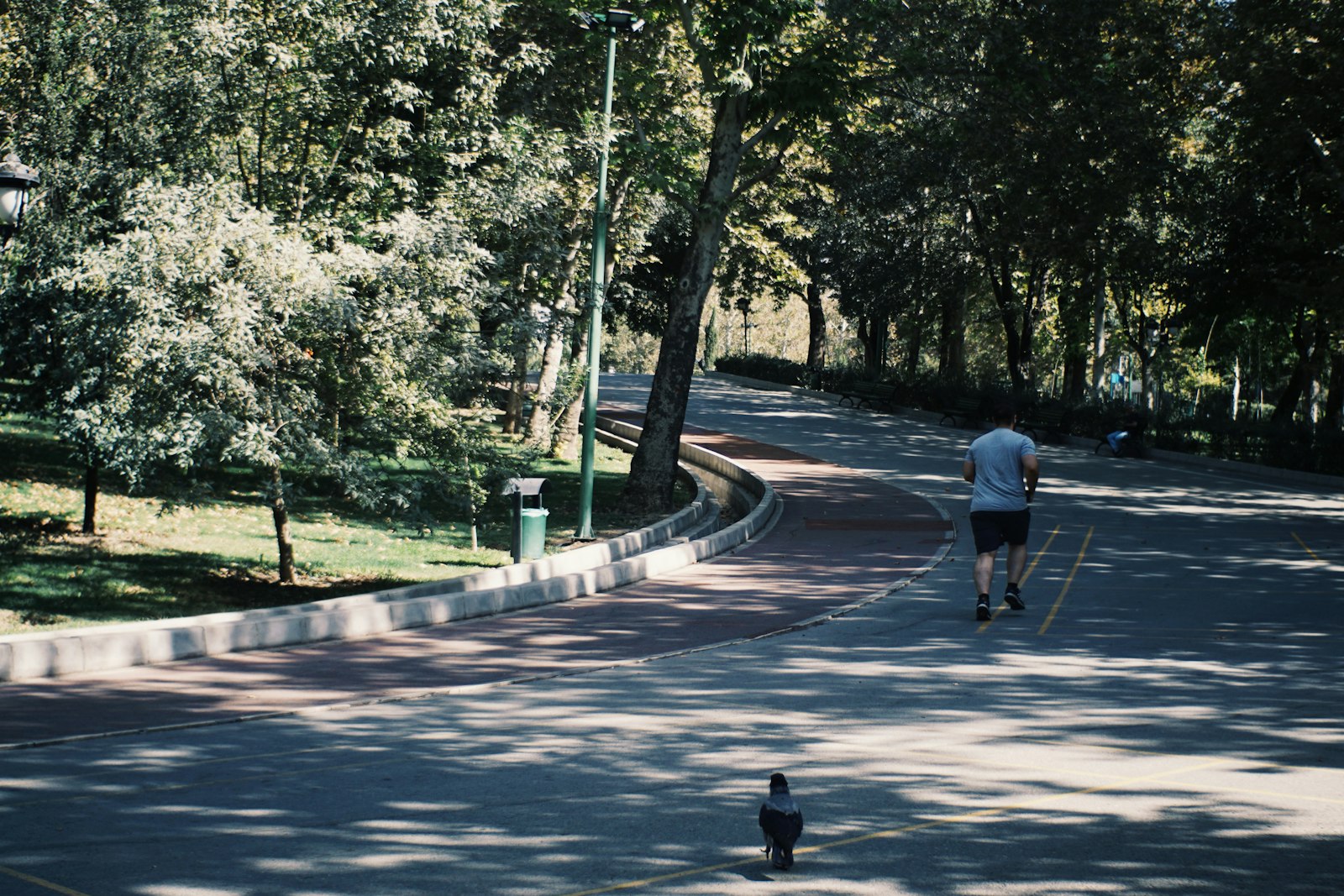
Simsbury is one of the more active towns in the Farmington Valley, and that's not incidental to orthopedic health — it's directly relevant to it. The Farmington River Trail gives runners and cyclists miles of paved pathway through town, the 235-acre Simsbury Farms complex has hosted golfers on its 18-hole course since 1972 alongside four lighted tennis and pickleball courts, and Talcott Mountain State Park draws hikers up to Heublein Tower on wooded, uneven trail. Each of these activities has a well-documented overuse injury pattern behind it, and recognizing which one you're dealing with is most of the battle.
Runners and Cyclists on the Farmington River Trail
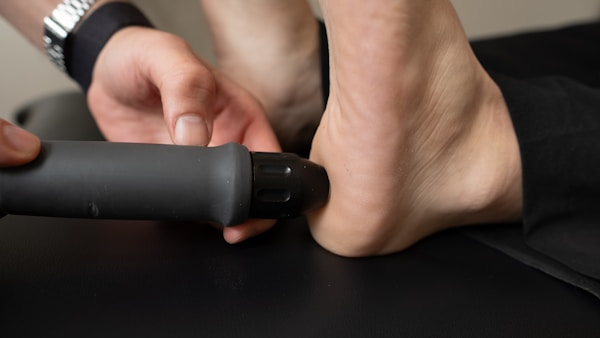
Sustained paved-trail mileage is a common driver of two conditions we see often: patellofemoral and early degenerative knee pain from repetitive loading, and plantar fasciitis from consistent heel-strike on a hard surface. Cyclists on the same trail more often present with hip flexor and anterior hip pain from the fixed pedaling position rather than knee pain specifically. Neither pattern requires stopping the activity that caused it — it requires an accurate diagnosis and a plan that usually starts with load management and targeted rehab, with orthobiologic injection considered for cases that don't resolve with conservative care alone.
Golf and Pickleball at Simsbury Farms
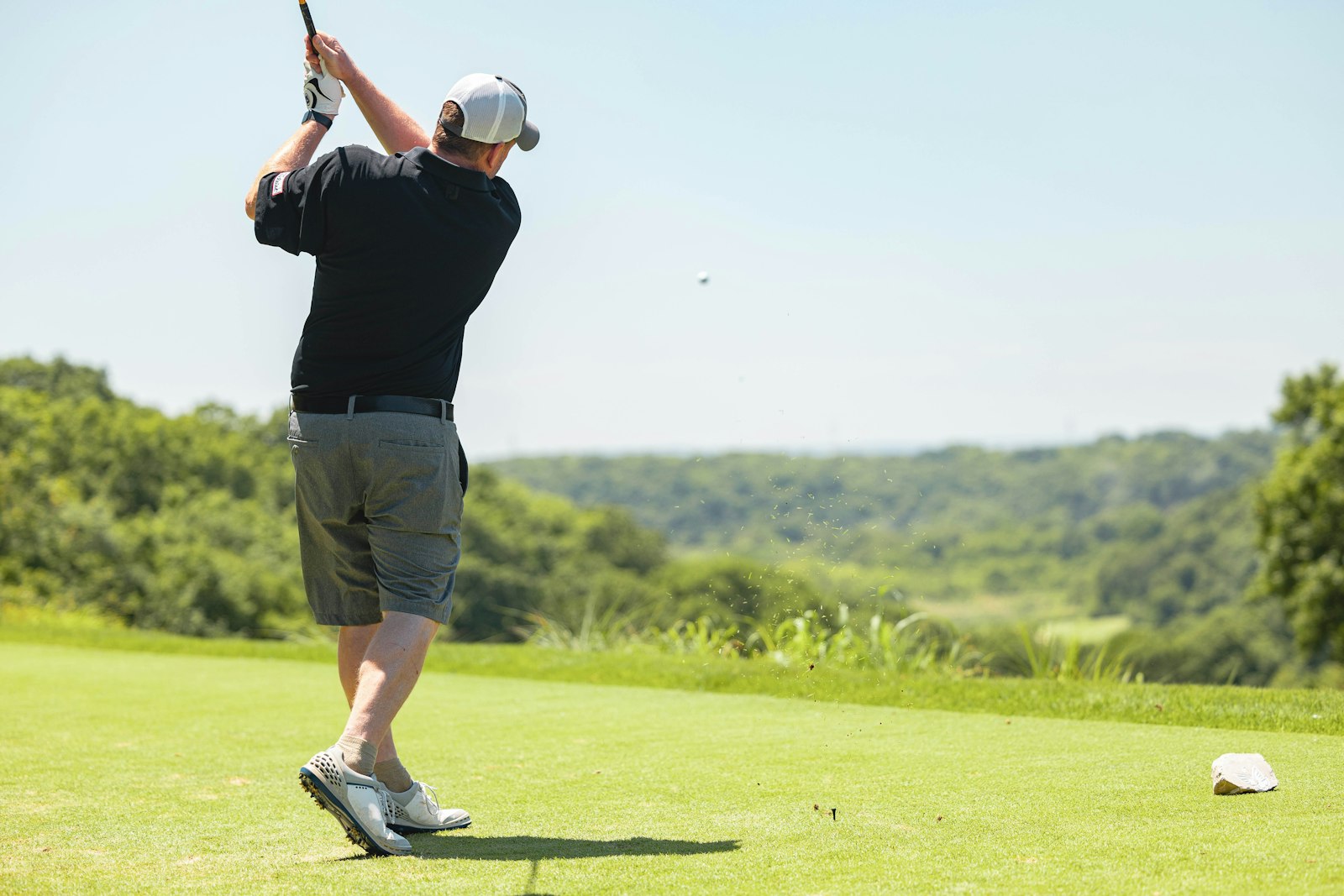
Golf's repetitive rotational load is one of the more reliable ways to develop lateral epicondylitis (tennis elbow, despite the name) or medial epicondylitis (golfer's elbow), along with lumbar facet irritation from the swing itself. Pickleball and tennis on the same complex's courts add a different pattern: rotator cuff tendinopathy from overhead serving motion, and Achilles or plantar fascia irritation from the sport's frequent direction changes on a hard court surface.
Hiking Talcott Mountain
Uneven, sometimes rocky trail underfoot changes the injury profile again — ankle instability and meniscus irritation from unpredictable footing are more common here than on flat pavement, particularly on the descent, when fatigue and downhill loading combine.
Limitations: What This Overview Does Not Tell You
These are the injury patterns we see most often in active patients from Simsbury, not a diagnosis for your specific pain.
- Matching your activity to one of these patterns does not confirm a diagnosis — several different structures can produce similar symptoms, and only an exam and appropriate imaging can tell them apart.
- Not every ache after running, cycling, golf, pickleball or hiking needs treatment; many resolve with rest, footwear changes or activity modification alone.
- PRP and other orthobiologic treatments are not appropriate for every overuse injury and are typically considered only after conservative care, not as a first step.
- Persistent, worsening, or neurological symptoms should be evaluated promptly rather than managed based on a general pattern like this one.
Dr. Tortland's Perspective
"Golfer's elbow is a good example of how an injury name can mislead patients — plenty of my Simsbury patients with 'golfer's elbow' have never picked up a club, and plenty of actual golfers I see have tennis elbow instead," says Dr. Tortland. "The name tells you something about the mechanism, not necessarily what's actually going on in a specific patient's arm." With decades spent treating overuse injuries in recreational and competitive athletes — including as a longtime team physician — he's direct about why he leads with imaging rather than the activity someone reports. "I'd rather confirm what tendon or joint is actually involved with ultrasound than guess from the sport alone," he says, "because the treatment plan depends on getting that right first."
What This Means for Treatment
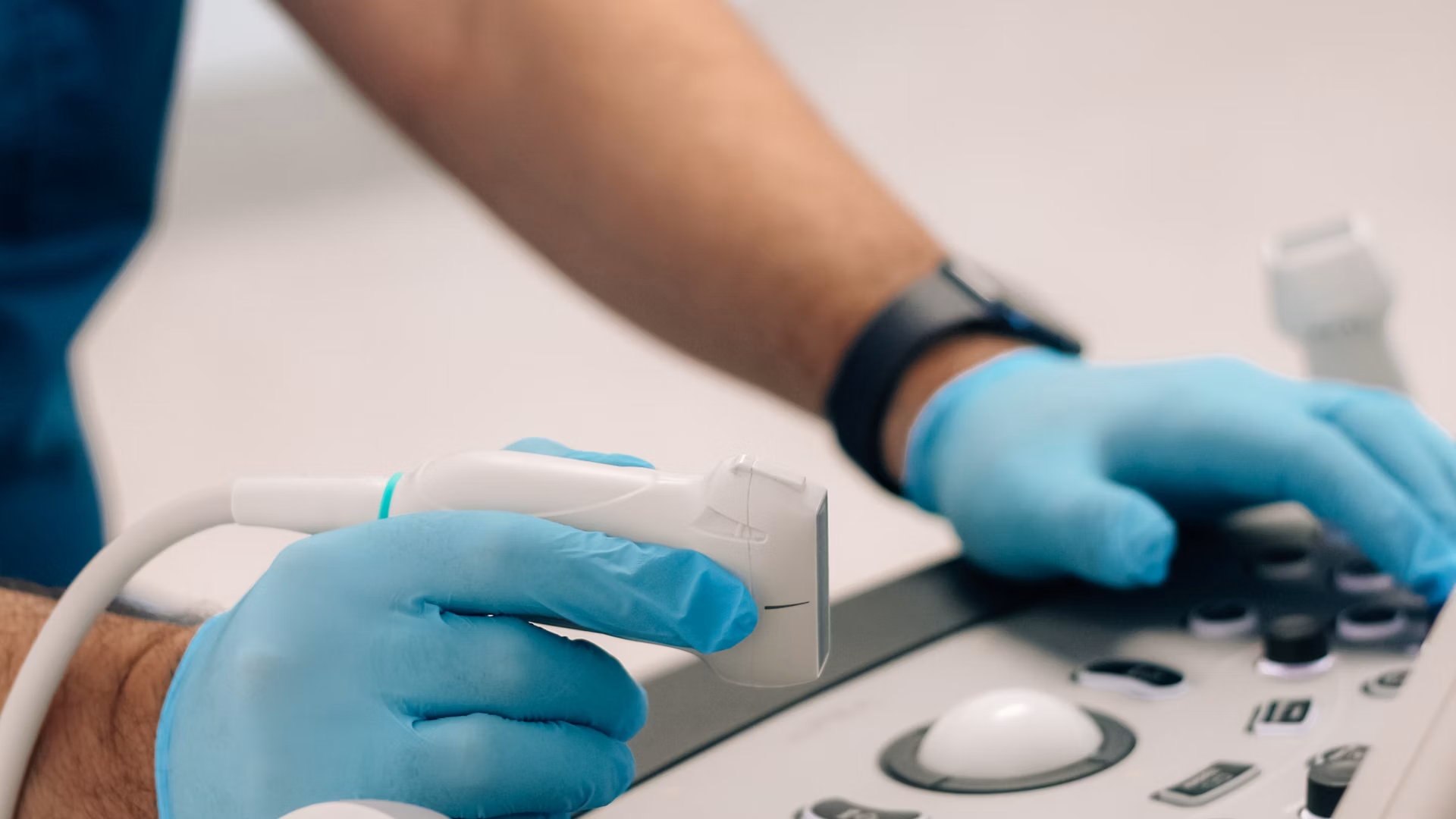
The common thread across all of these is that the activity itself usually isn't the problem — it's a specific structure that's been overloaded without adequate recovery, and imaging plus a careful history usually identifies which one. Dr. Tortland's approach starts with an accurate diagnosis using musculoskeletal ultrasound, followed by a non-surgical treatment plan matched to the specific structure and severity involved, which may include PRP or other orthobiologic treatment for cases that haven't resolved with rest and rehabilitation alone.