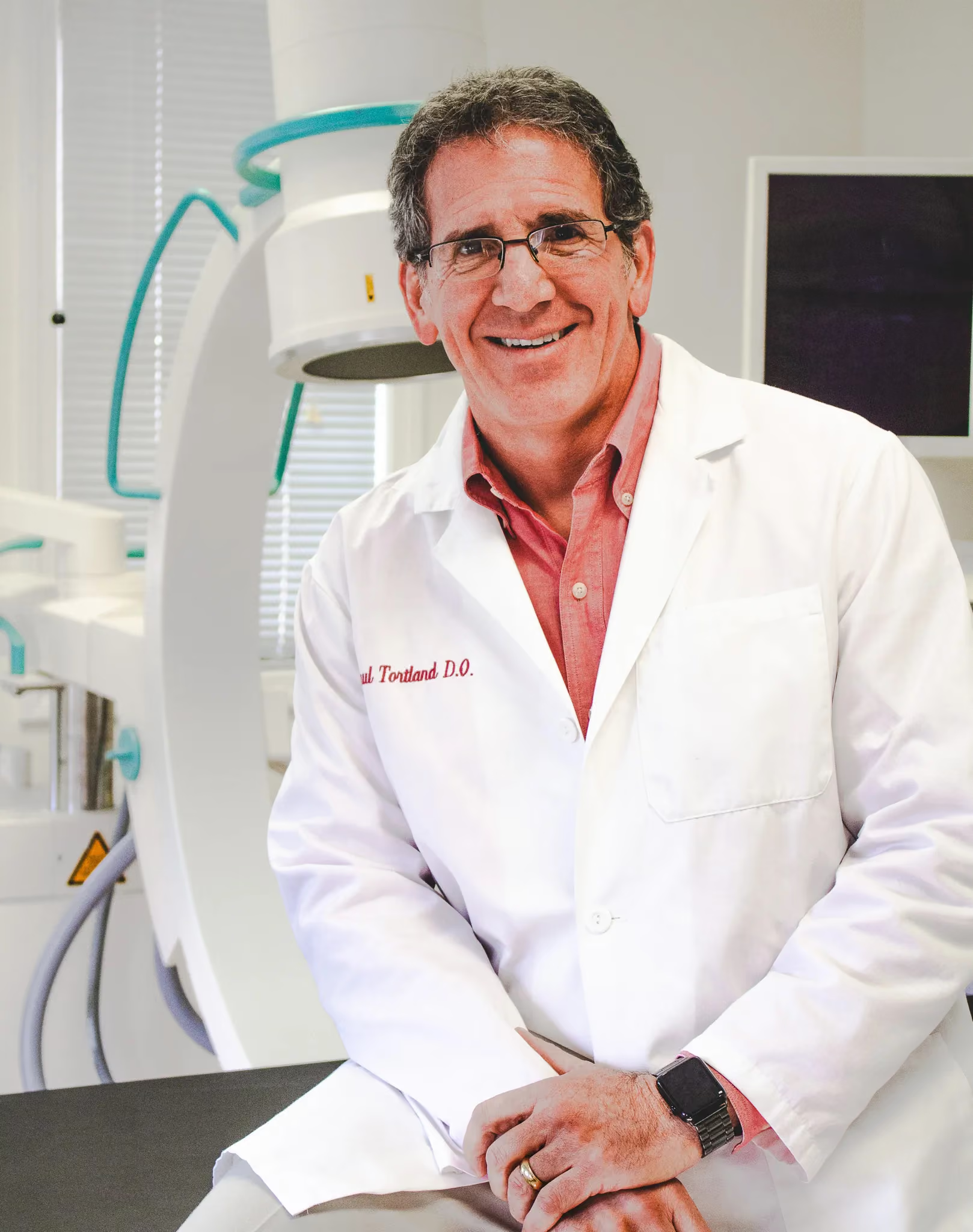
Dr. Paul Tortland, DO, FAOASM, CAQSM, RMSK
Non-surgical orthopedics and regenerative medicine in Glastonbury, CT
About Dr. Tortland
Pioneering Regenerative Orthopedics in Glastonbury, CT
Dr. Paul Tortland is dual board certified in sports medicine and regenerative medicine. For 30+ years he has treated joint, tendon and spine pain without surgery in Glastonbury, CT, for patients across New England.
He was the first physician in southern New England to offer PRP - Platelet-Rich-Plasma injections (2007) and BMA and MFAT stem cell treatments (2008). He personally performs every procedure under live ultrasound guidance, and measures PRP on an in-laboratory cell counter.
A recertified Diplomate of the American Board of Regenerative Medicine (first certified 2015), he also teaches orthobiologic techniques to physicians at TOBI and IOF conferences.
Your first visit lasts at least an hour, and he will tell you plainly when surgery is the better choice.
"The best orthobiologics in the world are worthless without a proper diagnosis."
Dr. Paul Tortland, Interventional Orthobiologics Foundation member profile, 2021
20,000+
Patients treated over 30+ years
2007
First orthopedic PRP in southern New England
1st
Physician worldwide to earn Regenerative Medicine board certification (2015)
13
Years teaching physicians at TOBI and IOF conferences
★★★★★
Laura D.
Dr. Tortland has treated my knees with both PRP multiple times and stem cell therapy, and I've experienced meaningful improvement from both. He is incredibly knowledgeable, personable, and always takes the time to explain everything thoroughly. I trust him completely.
★★★★★
Richard S.
Great listener, my favorite doctor ever! His innovative regenerative orthopedic medicine treatment protocols have restored strength and stability to my back ligaments, tendons and facet capsules. I had severe osteoarthritic degeneration of my facet joints, quadratus lumborum tendon strains, and an iliolumbar ligament strain, all related to spinal scoliosis from a leg length inequality. Last 2 years, at age 70 plus, I've been able to do an amazing amount of hard work on our cottage and on a wooden sailboat. He's helped me to enjoy the active retirement I wanted to have. Thank you!
★★★★★
Steven W.
Dr Tortland and his team are the go to folks in Glastonbury for stem cell/PRP knee treatments. My knee feels 25 years younger and pain free, back to full workouts with no pain. He is the best.
Specialty
Sports Medicine, Non-Surgical Orthopedics & Regenerative Medicine
Credentials
DO, FAOASM, CAQSM, RMSK. Dual board certified in Sports Medicine and OMM and Regenerative Medicine; Diplomate, American Board of Regenerative Medicine (2015).
Appointments
Initial Evaluation cost: $500 in office, $300 by telehealth
How care works here
Live Musculoskeletal (MSK) Ultrasound Imaging:
Precision Guided Injections and Diagnostics
Dr. Paul Tortland diagnoses with live MSK Musculoskeletal Ultrasound first, then explains whether rehab, a regenerative injection or surgery fits you best.
Live ultrasound evaluation
Diagnostic musculoskeletal (MSK) ultrasound, when appropriate, shows the problem in real time and guides placement.
No referral needed
Call (860) 430-2821. Patients come from Connecticut and across New England for a second opinion.
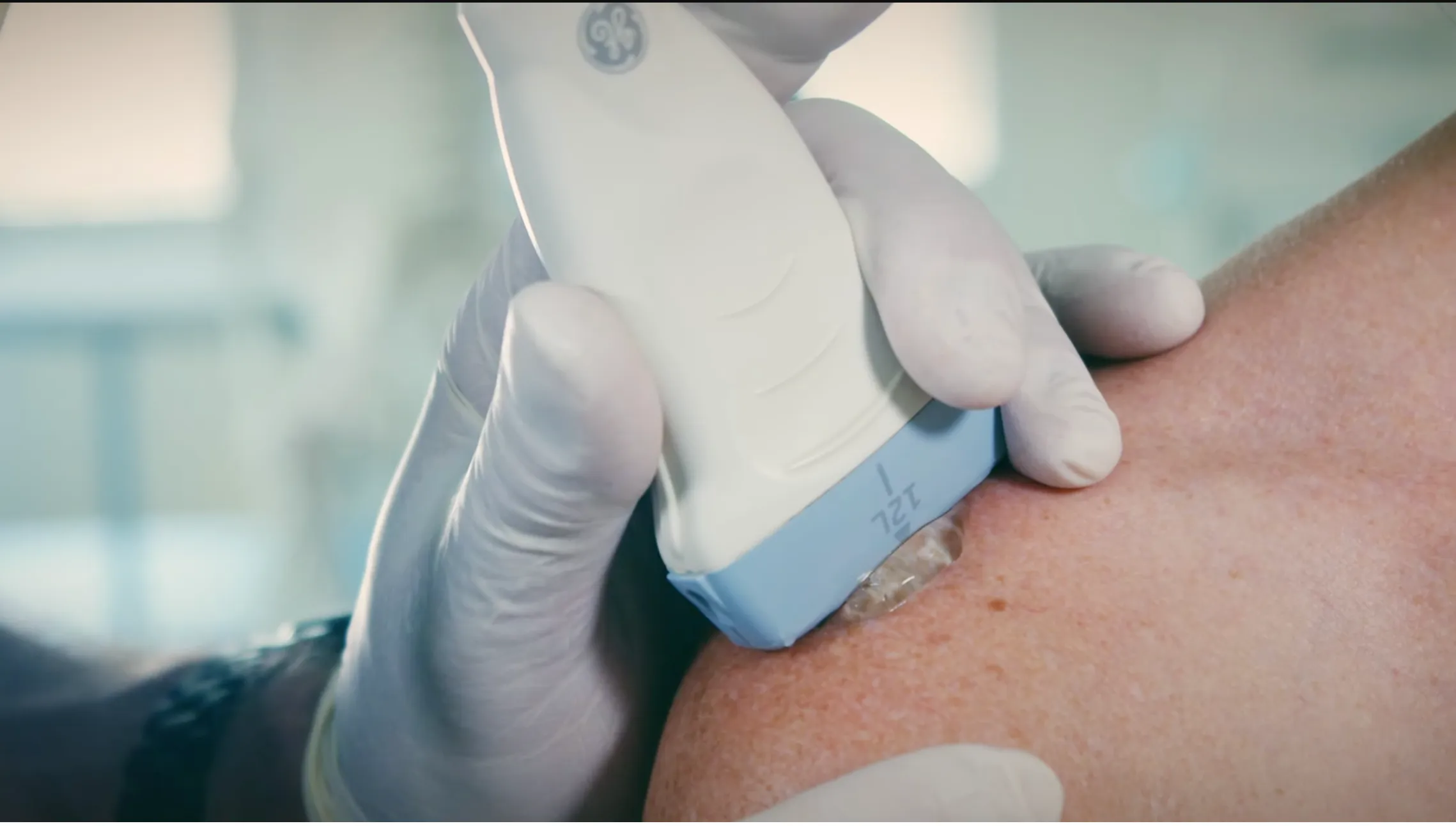
Live ultrasound lets Dr. Tortland see the tendon, joint or nerve he is evaluating, and guide treatment to the exact spot.
Treatments
Non-surgical treatment options
Care is selected for the injury, and not every patient needs an injection. Depending on the diagnosis, Dr. Tortland may recommend rehabilitation guidance, activity and load modification, conservative care, diagnostic musculoskeletal ultrasound, or an image-guided procedure such as PRP, BMA or MFAT when appropriate. He explains the alternatives, including the potential role and limitations of cortisone, and when a surgical opinion is the right next step.
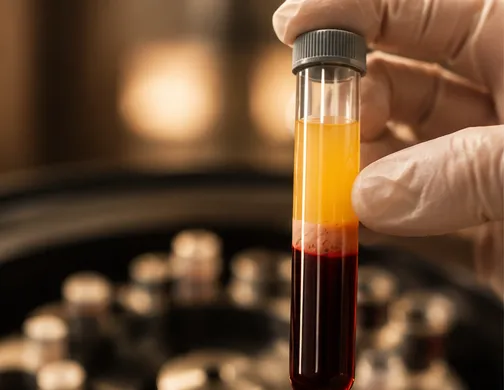
Platelet-Rich-Plasma (PRP) - Custom Concentrate
Your own platelets are concentrated, measured, and prepared according to an individualized protocol using a state-of-the-art laboratory Cell Counter.
Explore Customized PRP Therapy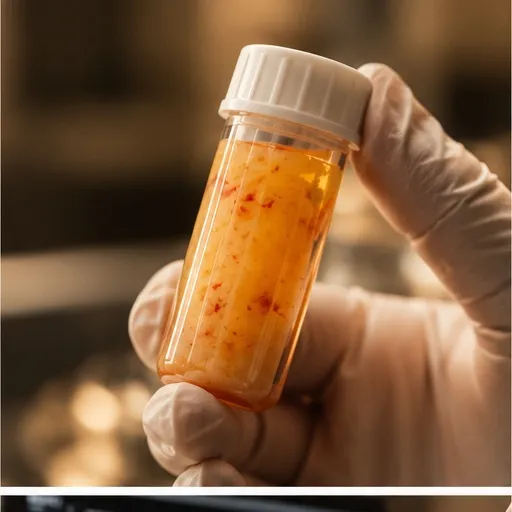
Cellular Orthobiologics
BMA uses concentrated bone marrow aspirate; MFAT uses processed adipose tissue. These procedures may be considered for selected musculoskeletal conditions after evaluation. Evidence, candidacy, risks, and limitations differ by treatment and diagnosis.
Explore Cellular Orthobiologics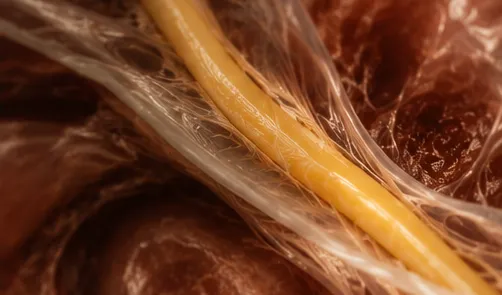
Nerve Hydrodissection
Ultrasound-guided fluid injection to free entrapped, irritated nerves and break up painful scar tissue.
Explore Nerve Hydrodissection
Prolotherapy & Prolozone Injections
Prolotherapy and Prolozone are injection-based approaches used in selected musculoskeletal conditions. Their proposed mechanisms and supporting evidence differ; Dr. Tortland discusses realistic expectations, alternatives, and limitations before recommending treatment.
Explore Prolotherapy & Prolozone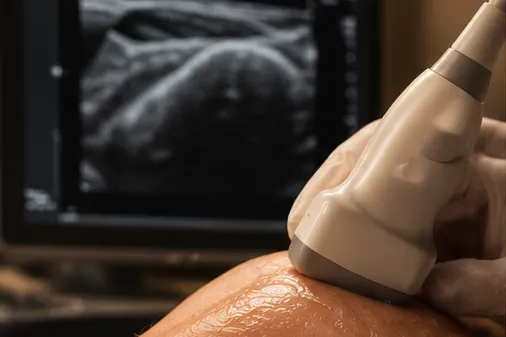
MSK Ultrasound Diagnostics
Diagnostic musculoskeletal ultrasound can help assess the structures that may be contributing to pain before a treatment is recommended.
Explore Diagnostic UltrasoundNon-surgical options compared
A plain-language look at common choices for joint pain. Your best option depends on your exam and imaging, and Dr. Tortland reviews both before recommending anything.
| Option | What it does | Best fit | Main limit |
|---|---|---|---|
| PRP (platelet-rich plasma) | Uses a concentrate of your own platelets to support tissue repair | Mild to moderate arthritis, tendon problems, partial tears, spine & disc herniations / tears | Not a fix for severe structural damage |
| Bone marrow or fat-derived cells | Delivers your own cell-rich tissue into the problem area | Best for end-stage Arthritis / bone on bone cartilage, and severe partial tears - for patients who want to avoid joint replacement | More involved procedure, and more expansive recovery with higher costs involved |
| Prolotherapy / Prolozone Injections | Lowers inflammation from arthritis and stabilizes joint & spine instability | Provides relief anywhere from 3-6 months to longer - especially effective for cervical & lumbar spine instability | Relief can be temporary - multiple treatments may be needed |
| Surgery | Repairs or replaces damaged structures | Severe damage, instability, or failed conservative care | Longer recovery and surgical risks |
Common questions
Frequently asked questions
What is the difference between PRP, BMA, and MFAT treatments?
Platelet-rich plasma (PRP) is prepared from a blood sample and emphasizes platelets and plasma. Bone marrow aspirate (BMA) is collected from the patient’s bone marrow, while microfragmented adipose tissue (MFAT) is prepared from the patient’s fat tissue. These are different autologous approaches, not interchangeable treatments. Their potential benefits, risks, evidence, and suitability vary by diagnosis, and none guarantees cartilage regrowth or replaces surgery for every condition.
Why is a diagnosis-first approach important in regenerative orthopedics?
Joint pain and sports injuries can have different causes that require different treatment. Dr. Tortland reviews the history, examination, and relevant imaging, using diagnostic musculoskeletal ultrasound when appropriate and image guidance for procedures when indicated. This helps determine whether rehabilitation, an orthobiologic treatment, another specialist, or surgery is the most appropriate option for the diagnosis and severity.
Does Dr. Paul Tortland personally perform all image-guided injections?
Yes. Dr. Paul Tortland personally evaluates patients and performs the image-guided injections he recommends at his Glastonbury, Connecticut, practice. He uses live musculoskeletal ultrasound and/or fluoroscopic (X-ray) guidance as appropriate to the anatomy and procedure. Image guidance helps him visualize anatomy and guide placement; it does not eliminate procedural risks.
What orthopedic conditions does Dr. Tortland treat in Glastonbury, CT?
Dr. Tortland evaluates persistent back and neck pain; osteoarthritis affecting the knee, hip, shoulder, hand, and foot; sports injuries; and tendon and ligament conditions. Depending on the diagnosis, care may include rehabilitation guidance, activity modification, diagnostic assessment, or image-guided procedures and orthobiologics when appropriate. Advanced arthritis, complete tears, or significant instability may require a surgical opinion.
Who is Dr. Paul Tortland?
Paul D. Tortland, DO, FAOASM, CAQSM, RMSK is a sports medicine and non-surgical orthopedics physician in Glastonbury, Connecticut, with more than 30 years of medical experience and PRP experience dating to 2007. He is dual board certified in Sports Medicine and Osteopathic Manipulative Medicine (OMM) and Regenerative Medicine, holds the RMSK musculoskeletal ultrasound credential, and became the first physician in the world to earn board certification in Regenerative Medicine in 2015 (Diplomate, American Board of Regenerative Medicine). He also teaches orthobiologic techniques to physicians.
What is regenerative orthopedics?
Regenerative orthopedics is a term used for approaches that include biologic preparations such as platelet-rich plasma (PRP), bone marrow aspirate (BMA), and microfragmented adipose tissue (MFAT) in selected musculoskeletal conditions. These procedures differ in preparation, evidence, risks, and limitations. They do not guarantee tissue regeneration or replace surgery for every condition. A clinical evaluation helps determine whether an option is reasonable for a specific diagnosis.
Is PRP or orthobiologic treatment better than surgery?
Neither PRP nor other orthobiologics are automatically better than surgery. The right option depends on the diagnosis, severity, examination and imaging findings, goals, and the evidence for that condition. Some patients may consider non-surgical care; others, such as those with end-stage joint damage, complete tears, or significant mechanical instability, may need a surgical opinion. Dr. Tortland discusses potential benefits, risks, limitations, and alternatives before treatment.
Is treatment covered by insurance?
Orthobiologic procedures are out of network and direct pay; an itemized superbill is provided for reimbursement, and HSA and FSA funds can be used. Patients will always receive a "Good Faith Estimate" - part of the "No Surprises Act of 2022 - in advance to provide specific cost information.
Where is the office and do I need a referral?
The office is at 59 Sycamore Street, Suite 301, Glastonbury, CT 06033, open Monday through Friday, 9:00 a.m. to 5:00 p.m. No referral is required. Patients travel from across Connecticut, New England, out of state, and internationally. Telehealth record review is available for distant second opinions.
Treating joint pain without surgery
The first step is an evaluation, not a commitment to an injection. Bring prior imaging and discuss your symptoms, goals and treatment options. When appropriate, diagnostic musculoskeletal ultrasound helps guide the assessment. No referral is required.