Orthobiologics, Custom PRP & Stem Cell Care for Greater Boston, MA
Custom Orthobiologics for Boston Patients

FOR GREATER BOSTON PATIENTS
Precision Orthobiologics: Not a One-Size-Fits-All Kit
Commercial PRP kits process every patient's blood the same way, regardless of the joint or injury. Dr. Tortland's on-site lab builds each treatment around the individual patient instead — across PRP, MFAT, and BMA stem cell therapy.
Custom-Formulated PRP
Every patient's PRP is formulated on-site to 12 to 15 times baseline platelet concentration, not run through a standardized commercial kit — a practice Dr. Tortland has followed since 2007.
Double Board-Certified
Board-certified in Sports Medicine/OMM and in Regenerative Medicine, with active hospital affiliations at Hartford Hospital and St. Francis Hospital.
Diagnosis-First Evaluation
An unrushed hour to 90-minute evaluation, including live musculoskeletal ultrasound, confirms an accurate diagnosis before any treatment options are presented.
Honest, Options-Based Care
You'll always be told what a treatment cannot do, and when surgery or a different specialist is the better call — the goal is an accurate diagnosis and real options, not a sales pitch for one procedure.
Conditions We Treat for Boston Patients
A focused, evidence-based approach spanning chronic musculoskeletal pain, sports and overuse injuries, and joint degeneration that hasn't resolved with conventional care.
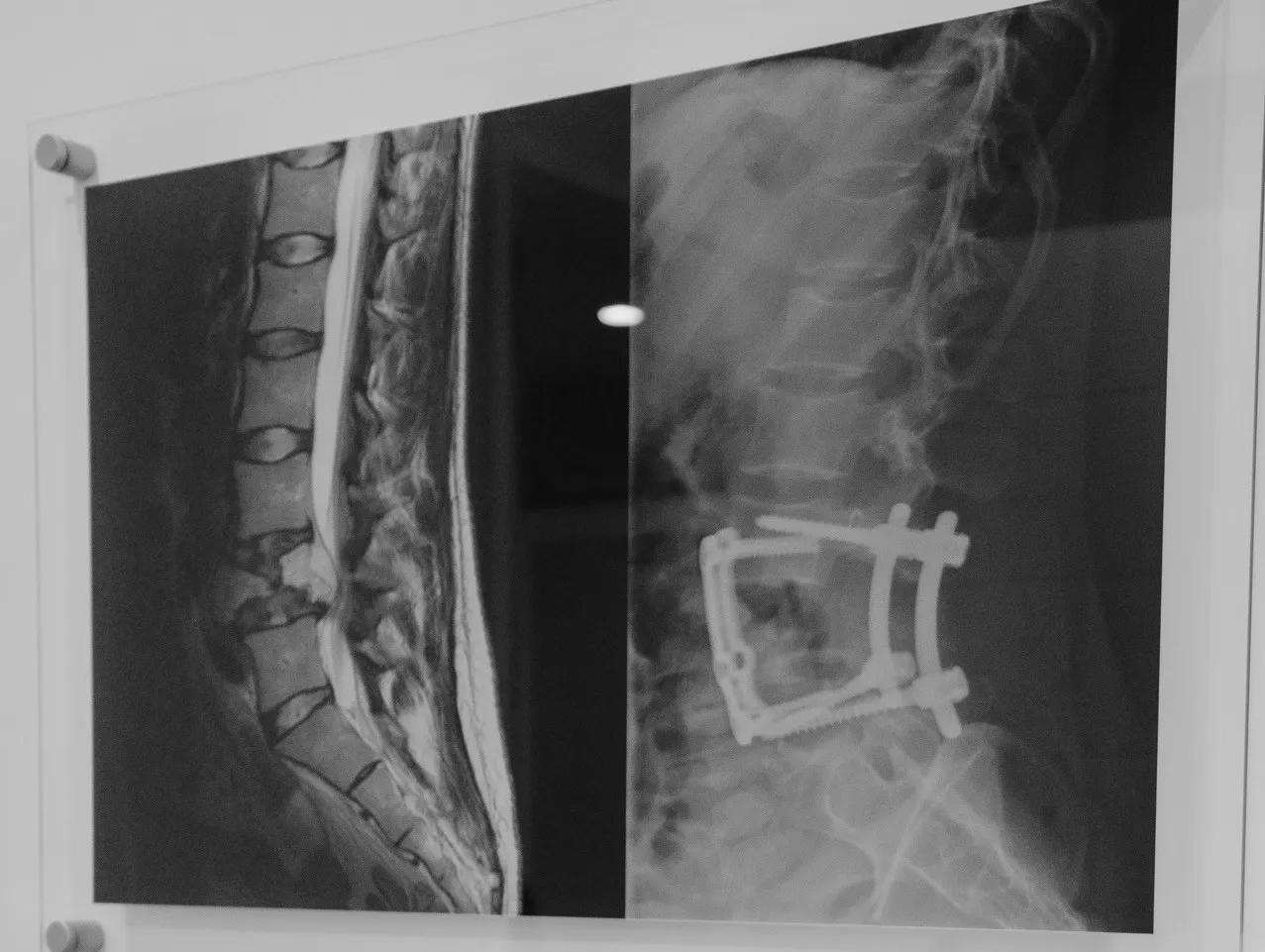
Spine
Chronic Low Back Pain & Sciatica
Lumbar radiculopathy, facet-mediated pain, and sacroiliac joint dysfunction. Evaluation includes live ultrasound and, when appropriate, PRP or cellular orthobiologic injection targeting the actual pain generator.
Back & Neck care →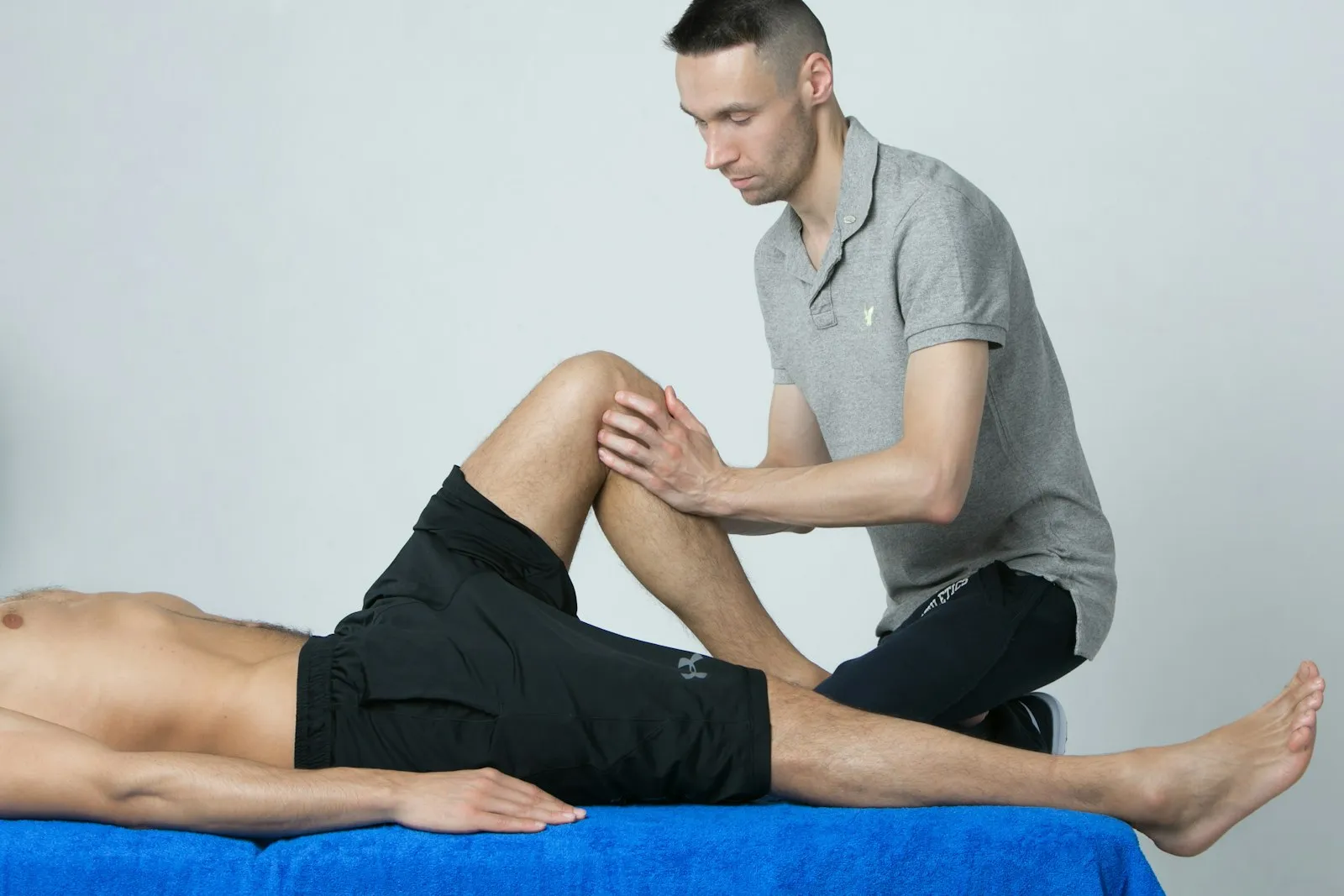
Joints
Knee & Hip Osteoarthritis
PRP custom-formulated to 12 to 15 times baseline concentration is a front-line regenerative option for grade I to III osteoarthritis, for patients seeking an alternative to repeated cortisone or surgery.
Knee & Hip care →
Shoulder
Rotator Cuff Tears & Tendinopathy
Partial-thickness rotator cuff tears, supraspinatus tendinopathy, and chronic impingement respond well to ultrasound-guided PRP — for the right candidate, this can defer or replace surgical repair.
Shoulder care →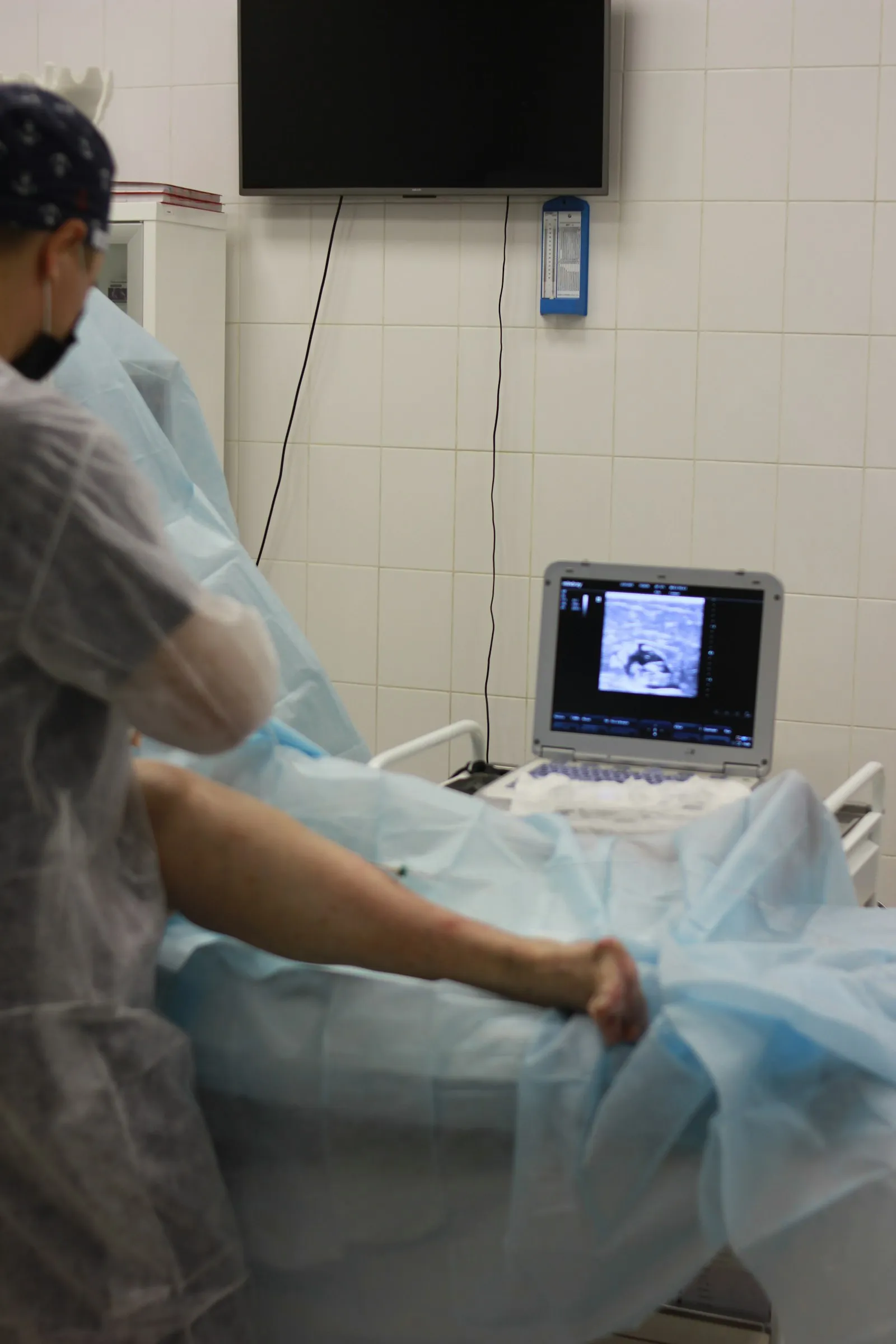
Tendon
Tennis Elbow, Golfer's Elbow & Plantar Fasciitis
Chronic tendinopathy that hasn't resolved with rest, physical therapy, or steroid injection often responds to PRP tailored specifically for tendon healing.
Elbow, Wrist & Hand care →Common Injuries Treated for Boston patients
MARATHON & DISTANCE RUNNING
Marathon Training Overuse Injuries
Boston's deep marathon-training culture, from the Charles River Esplanade to the Boston Marathon route itself, produces a steady stream of runners' knee, IT band syndrome, plantar fasciitis, and Achilles tendinopathy from high weekly mileage.
CYCLING
Charles River & Minuteman Bikeway Overuse
The Charles River Esplanade paths and the Minuteman Bikeway draw a steady stream of commuter and recreational cyclists logging consistent mileage — knee and IT-band overuse are common presentations.
HIKING
Blue Hills Reservation Hiking Injuries
The Blue Hills Reservation's rocky, root-covered trails just south of Boston are a common source of ankle sprains and acute knee injuries in regular hikers.
HOCKEY
Youth & Adult Hockey Injuries
Boston's deep youth and adult hockey culture brings a steady pattern of shoulder and hip labral injuries, groin strains, and lumbar facet pain from skating posture and contact.
Treatments & Procedures for Greater Boston Patients
Every patient starts with a comprehensive evaluation to confirm an accurate diagnosis before any treatment is discussed. Depending on what that evaluation finds, care may include any of the following — always presented as options, not a single prescribed path.
PRP — Platelet-Rich Plasma
Platelet-Rich Plasma - Custom Concentrate
Your own platelets, custom-formulated to 12 to 15 times baseline concentration on-site, for tendon, ligament, and joint injuries.
Learn more →BMAC / MFAT — Bone Marrow / Adipose Stem Cell
Cellular Orthobiologics
Bone marrow aspirate concentrate and microfragmented adipose therapy — your own cellular material, for more advanced joint degeneration.
Learn more →Diagnostics
Musculoskeletal Ultrasound
Live diagnostic ultrasound in the same visit as your evaluation — no separate imaging appointment required.
Learn more →Intraosseous
Intraosseous Injections
Fluoroscopy- and ultrasound-guided injections directly into bone marrow lesions, for advanced knee osteoarthritis, and Avascular Necrosis.
Learn more →Prolotherapy
Prolotherapy & Prolozone
Regenerative injection therapy for chronic ligament laxity and joint instability that hasn't responded to conservative care.
Learn more →Hydrodissection
Nerve & Fascia / Tendon Hydrodissection
Ultrasound-guided fluid injection to release entrapped or irritated nerves, including carpal tunnel syndrome.
Learn more →Not All PRP or Cellular Orthobiologics Are the Same
Regenerative medicine has grown quickly, and not every provider offering PRP, stem cell, or "regenerative" injections holds the same standard. Before choosing where to be treated, it's worth knowing what separates a legitimate, evidence-based practice from one that isn't.
Worth a Consultation
✓ Uses your own (autologous) blood, bone marrow, or fat tissue — never donor/allogeneic “stem cell” products
✓ Measures actual platelet concentration on a cell counter before injecting, rather than assuming a fixed multiplier
✓ Places every injection under live ultrasound or fluoroscopic guidance, confirmed on-screen
✓ Physician holds relevant board certification and discloses training and experience openly
✓ Gives an honest answer about what treatment cannot do, including when surgery is the better option
Red Flags to Watch For
⚠ “Stem cell” products from a donor, amniotic fluid, or umbilical source — not FDA-approved for orthopedic use and contain no living cells
⚠ A single standardized kit and protocol used for every patient and every joint, regardless of injury or age
⚠ Injections performed “blind,” without live imaging to confirm needle placement
⚠ Guarantees of specific outcomes, cartilage regrowth, or a cure — no legitimate provider promises this
⚠ Pressure to commit to an expensive package of treatments before any diagnostic evaluation
What It Costs
Evaluation and procedure costs are always transparent, up-front, with no surprise bills: see the NO SURPRISES ACT of 2022. HSA and FSA accepted, and patients are encouraged to submit claim forms for potential reimbursement.
Initial Evaluation: $500
A full hour to an hour and a half, unrushed. Includes a comprehensive musculoskeletal exam, review of any prior imaging, and a live musculoskeletal (MSK) ultrasound diagnostic exam performed in the same visit — no separate imaging appointment required. The goal is to confirm an accurate diagnosis first, then present treatment options.
Greater boston PATIENT QUESTIONS
Common Questions from Boston Patients
How far is Boston from the Glastonbury office?
Can I combine evaluation and treatment in one trip?
Does PRP work for tennis elbow and golfer's elbow?
I have knee arthritis — what are my options besides a knee replacement?
Can PRP help hip arthritis, or do I need a hip replacement?
My orthopedist mentioned a knee or hip replacement — is it too late for PRP?
Can PRP help chronic low back pain?
**Medical Disclaimer:** Information on this page is provided for educational purposes and does not constitute medical advice, diagnosis, or treatment, guarantee a particular outcome, or establish a physician-patient relationship. Treatment suitability and expected results vary by patient and depend on individual clinical circumstances and the available scientific evidence. The inclusion of a procedure, treatment, or therapy on this website does not mean that it is appropriate for every patient, effective for every condition, superior to other treatment options, or guaranteed to produce a particular result. Orthobiologic procedures discussed on this website are medical procedures performed under the practice of medicine. The FDA regulatory status of any particular product, device, or use may vary, and FDA approval or clearance should not be inferred unless specifically stated. Dr. Tortland reports no financial interest in the products or devices described on this page. Individual results vary, and treatment decisions require an appropriate clinical evaluation, including an in-person examination when indicated.
Schedule a Diagnostic Evaluation
No referral needed. Most initial evaluations run over an hour, un-rushed, and many patients combine evaluation and diagnostic treatments into a single visit.