Nearly 30 Miles of Trail Means a Predictable Set of Overuse Patterns
The West Hartford Reservoir has been called the town's version of Central Park, and for active adults it functions as one of the busiest informal training grounds in the Farmington Valley — six reservoirs, a paved cycling loop, and a network of singletrack along the Metacomet Trail that draws trail runners and mountain bikers in roughly equal numbers. That volume of use, on that variety of surface, produces a fairly consistent set of injuries in the patients we see from West Hartford.
Paved Loop Runners and Cyclists
The paved cycling and running loop around the reservoirs sees heavy repeat use, and repeat use on a consistent surface is exactly the setup that produces patellofemoral pain, early knee osteoarthritis symptoms in patients who already have some degenerative change, and plantar fasciitis from sustained heel-strike. Cyclists on the same loop more often report anterior hip or lower back discomfort tied to sustained flexed posture rather than knee symptoms specifically.
Metacomet Trail Runners and Mountain Bikers
The unpaved network along the ridge — including the terrain near Deer Cliff — is rockier and less predictable underfoot, which shifts the injury pattern toward ankle sprains, meniscus irritation from twisting on uneven ground, and, in mountain bikers, wrist and shoulder overuse from sustained handlebar impact on technical terrain.
Pickleball and Tennis Growth in Town
West Hartford's Leisure Services department has expanded pickleball courts and programming in recent years, and the sport's rapid growth among adults 40 and up has brought a corresponding rise in a familiar pattern: rotator cuff tendinopathy from overhead and side-arm motion, and lateral epicondylitis from the repetitive paddle mechanics, particularly in players newer to racquet sports.
What This Means for Treatment
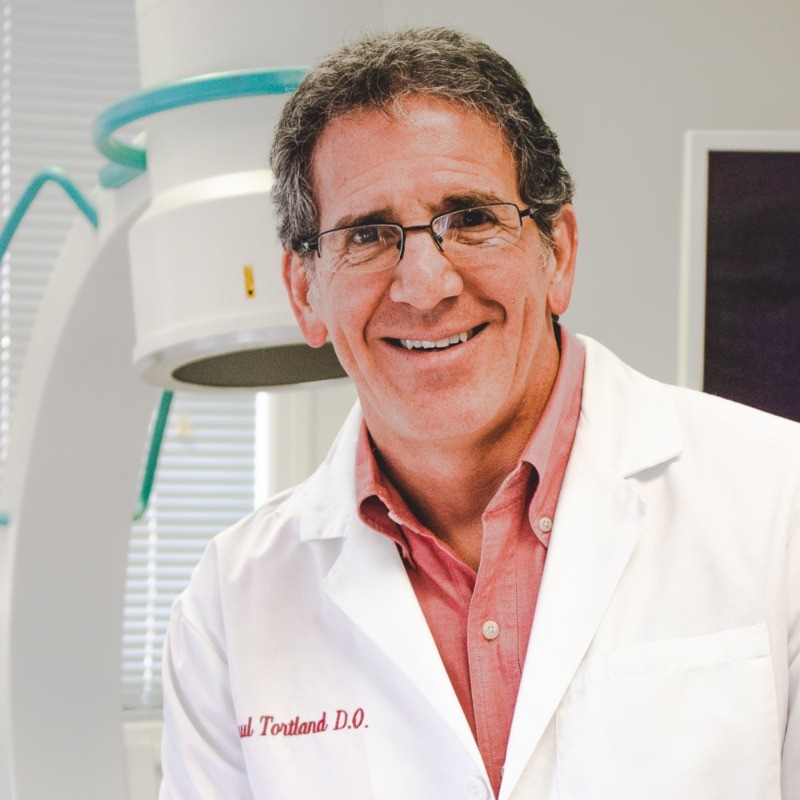
None of these injuries mean giving up the reservoir, the trail, or the court — they mean identifying which specific structure has been overloaded and treating it appropriately. Dr. Tortland's approach begins with musculoskeletal ultrasound to confirm the diagnosis, followed by a non-surgical treatment plan — often starting with activity modification and targeted rehabilitation, with PRP or other orthobiologic treatment considered when conservative care alone hasn't resolved the problem.