Direct Answer: Before choosing a provider for PRP or a "stem cell" treatment, ask these five questions: (1) What system do you use, and what platelet or cell concentration does it produce? (2) Are you using my own (autologous) cells, or a commercial donor-tissue product? (3) What condition-specific evidence supports this treatment for my diagnosis? (4) What regulatory framework governs this treatment, and can you explain it? (5) What outcomes can I realistically expect, including the limits of what's known?
Why These Questions Matter
As covered in earlier pieces on PRP concentration variability and the difference between real and commercial "stem cell" products, this field has significant variation in quality, transparency, and evidence — and patients are often not equipped to tell the difference on their own. A provider's willingness and ability to answer these questions clearly is itself useful information.
1. What System Do You Use, and What Concentration Does It Produce?
PRP concentration varies significantly between systems and providers. A provider who can name their system and describe the typical concentration it produces is demonstrating transparency worth noting.
2. Autologous or Commercial Donor Product?
Many products marketed as "stem cell therapy" use donor (allogeneic) tissue that may contain few or no living stem cells. Autologous treatments, like BMAC or MFAT, use the patient's own cells collected and processed at the point of care.
3. What Evidence Supports This for My Specific Diagnosis?
Evidence quality varies significantly by condition — for example, PRP for knee osteoarthritis is far more studied than PRP for many other applications. Ask specifically about evidence for your diagnosis, not the treatment category in general.
4. What Regulatory Framework Applies?
Autologous treatments like BMAC are governed by FDA regulations including 21 CFR Part 1271. A provider should be able to explain, in plain terms, the regulatory basis for what they're offering.
5. What Outcomes Can I Realistically Expect?
Be cautious of providers who promise specific outcomes or guarantee results. Evidence-based providers will discuss both potential benefits and the real uncertainty involved.
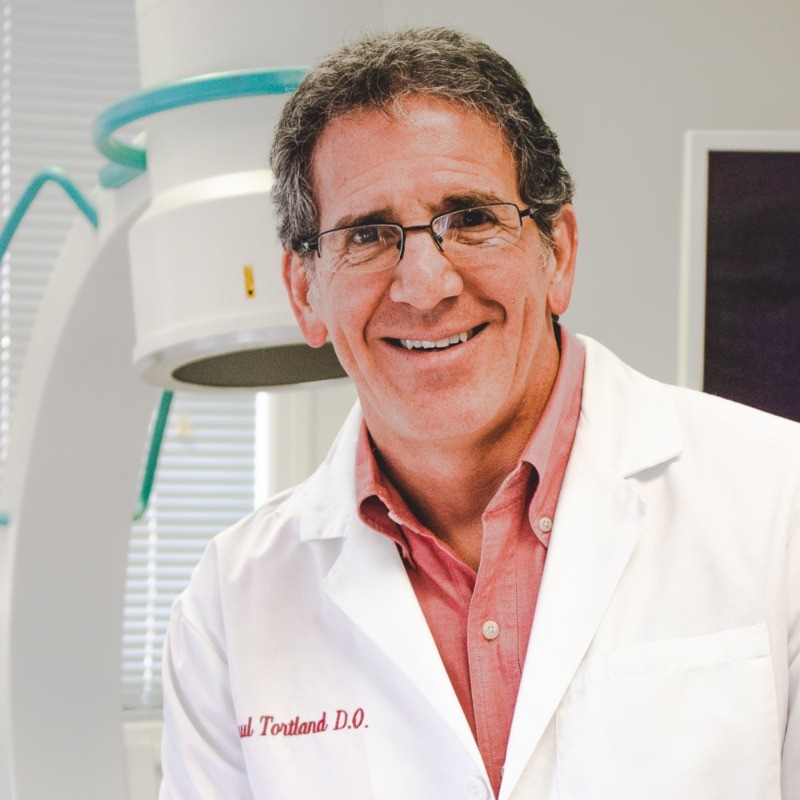
Dr. Tortland's Perspective
I'd rather a patient walk into my office with a list of hard questions than take any provider's word at face value — mine included. These five questions are a reasonable starting point for evaluating any provider offering PRP or stem cell-related treatments.